Reference · 109 signs
Every sign, and what it actually demands of you.
Road signs is the tightest gate on the paper — 23 out of 30. Most of the marks are lost not on recognising a sign but on knowing whether it commands, prohibits or merely warns.
Practise the signs sectionControl signs10
Stop and yield. These decide who moves and who waits, and they are the ones you are prosecuted for rolling through.
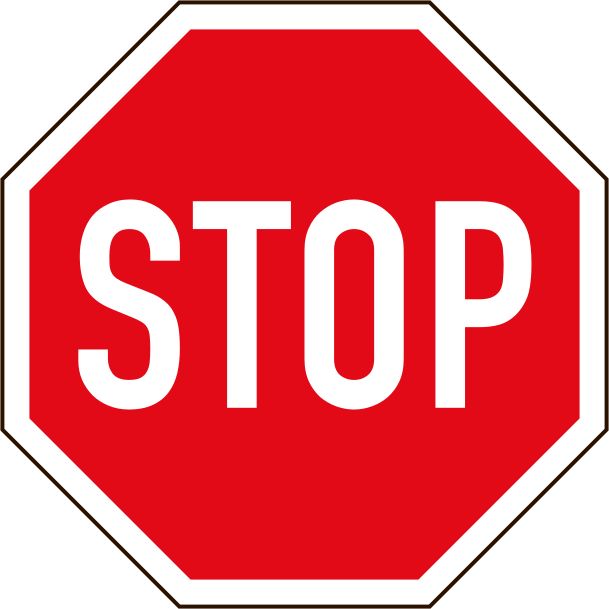
Stop
You must come to a complete stop at the stop line.
Do: Stop completely behind the line, then move off only when it is safe.
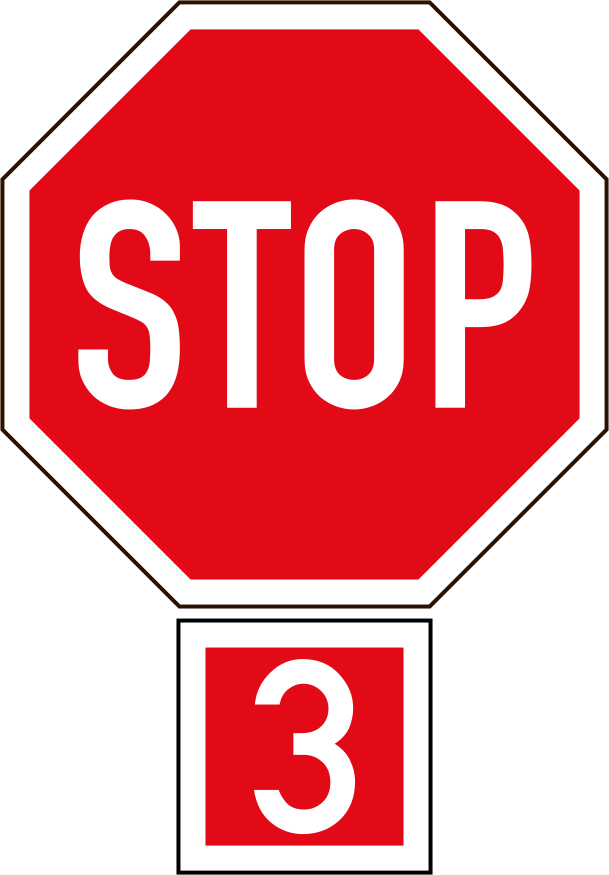
Three-way stop
All three approaches to this intersection must stop.
Do: Stop, then proceed in the order you arrived — first to stop, first to go.
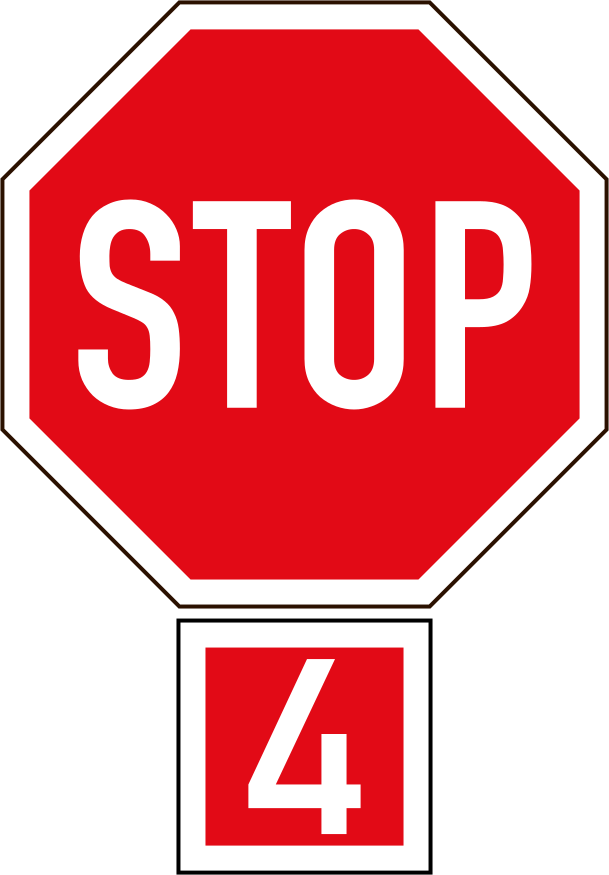
Four-way stop
All four approaches to this intersection must stop.
Do: Stop, then proceed in the order you arrived — first to stop, first to go.
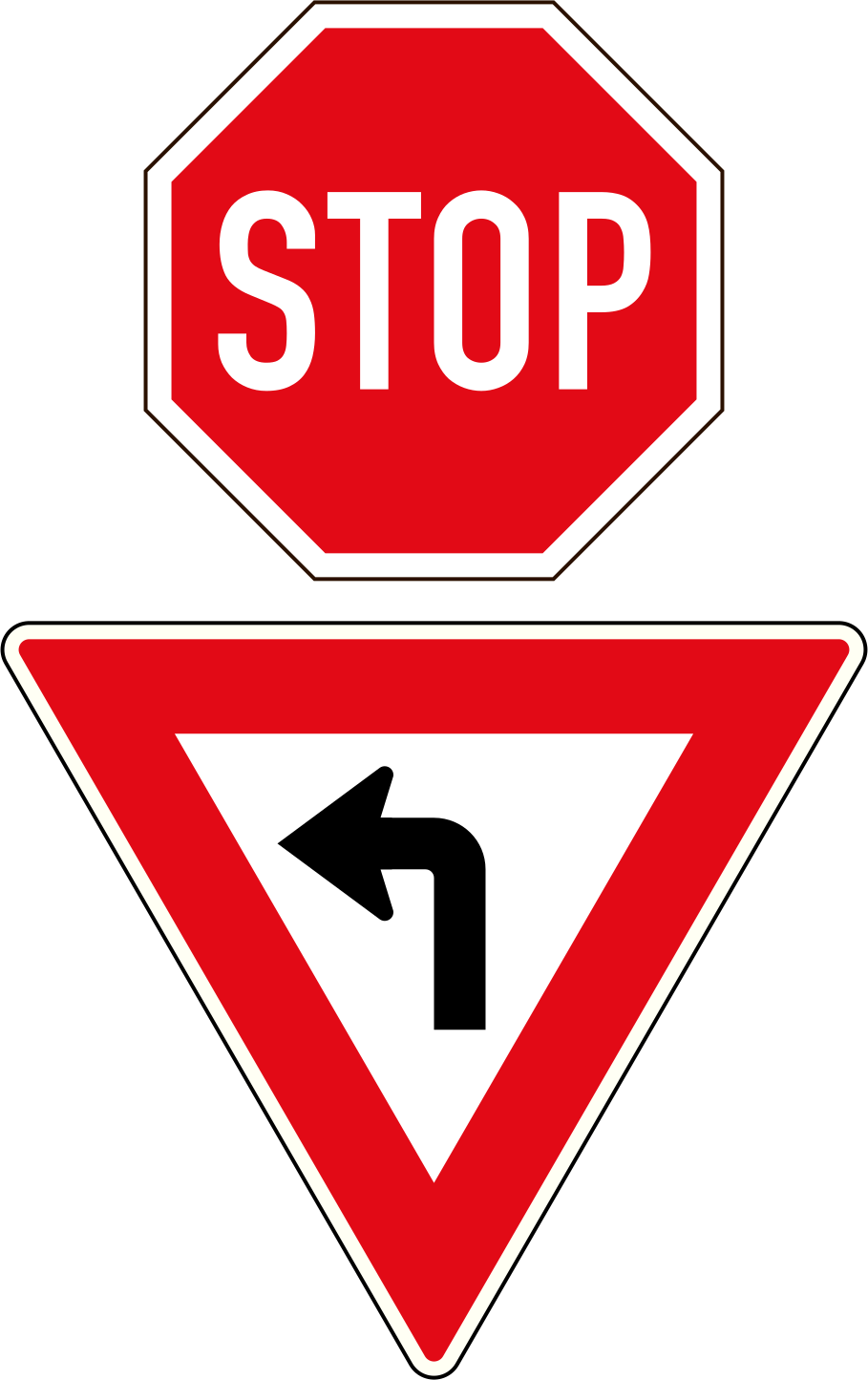
Stop except left turn
Stop unless you are turning left.
Do: Stop if you are going straight or turning right; you may turn left without stopping when it is safe, giving way to cross traffic and pedestrians.
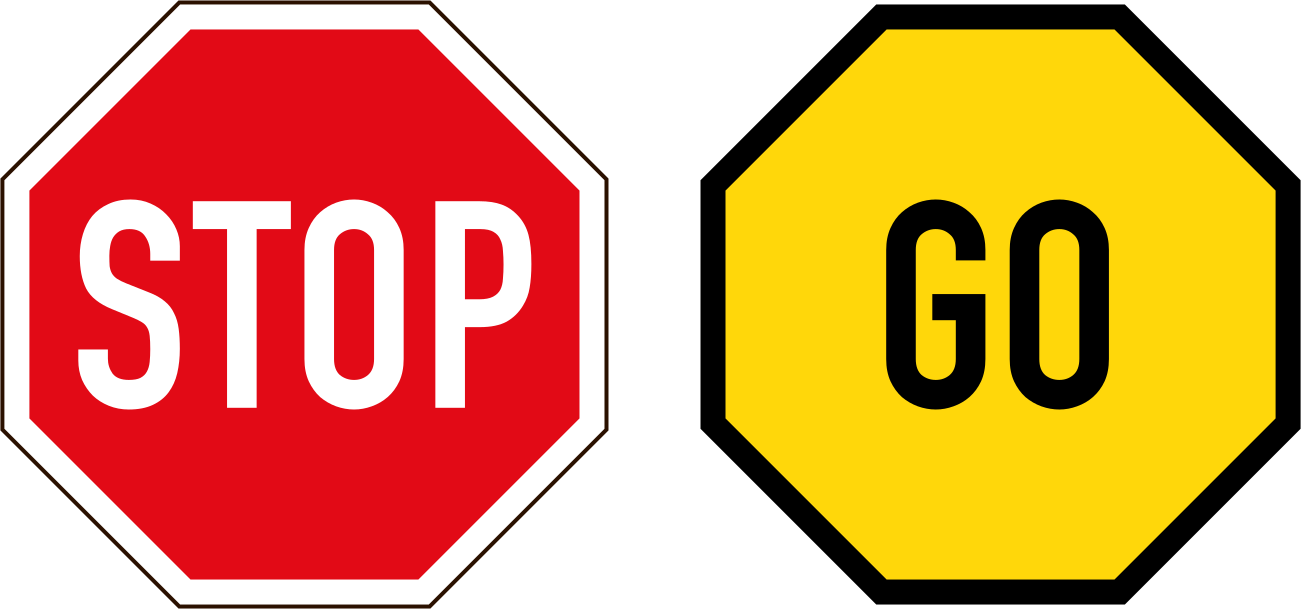
Stop/Go
A hand-held sign at roadworks, turned to STOP or to GO.
Do: Stop while STOP faces you, and proceed cautiously when GO is turned towards you.
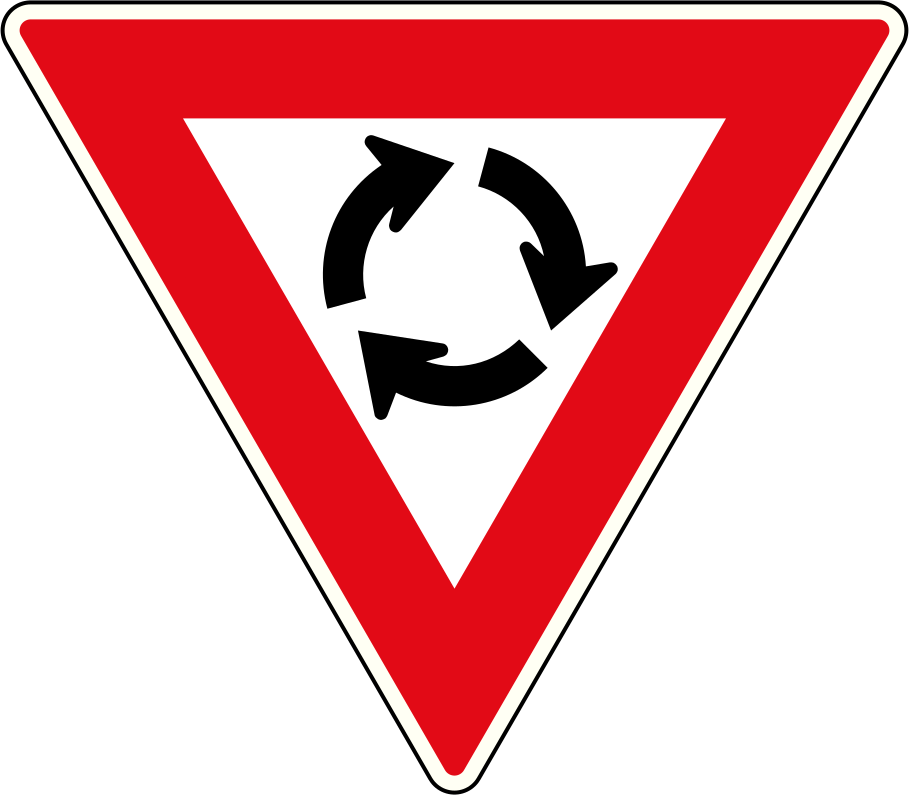
Yield at traffic circle
A traffic circle is ahead and you must give way.
Do: At a roundabout give way to traffic from your right; at a mini-circle give way to whoever crossed the yield line first.
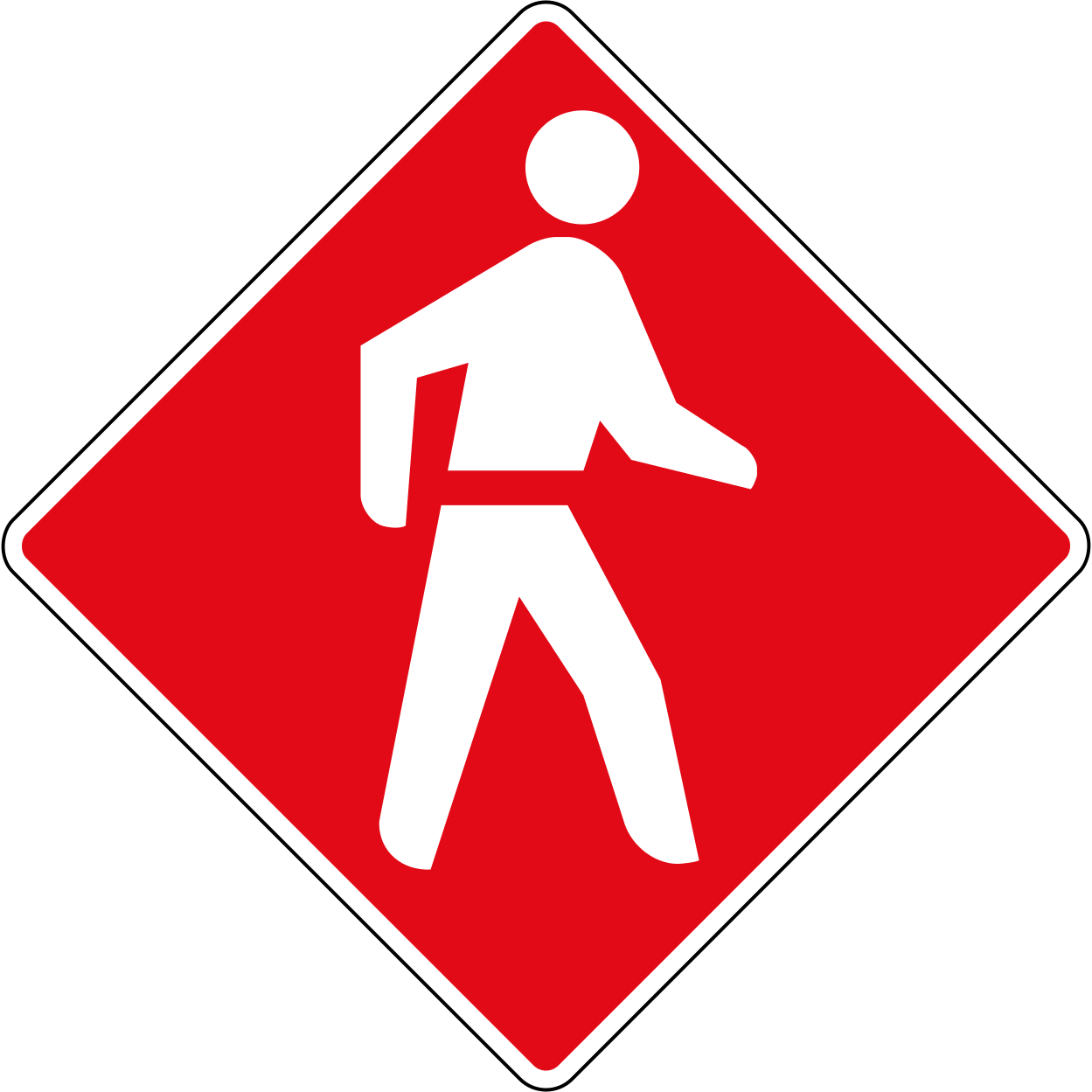
Pedestrian priority area
The area is set aside for pedestrians.
Do: Enter only to deliver or load, to do maintenance work, or to attend an emergency — give way to every pedestrian and do not exceed 15 km/h.
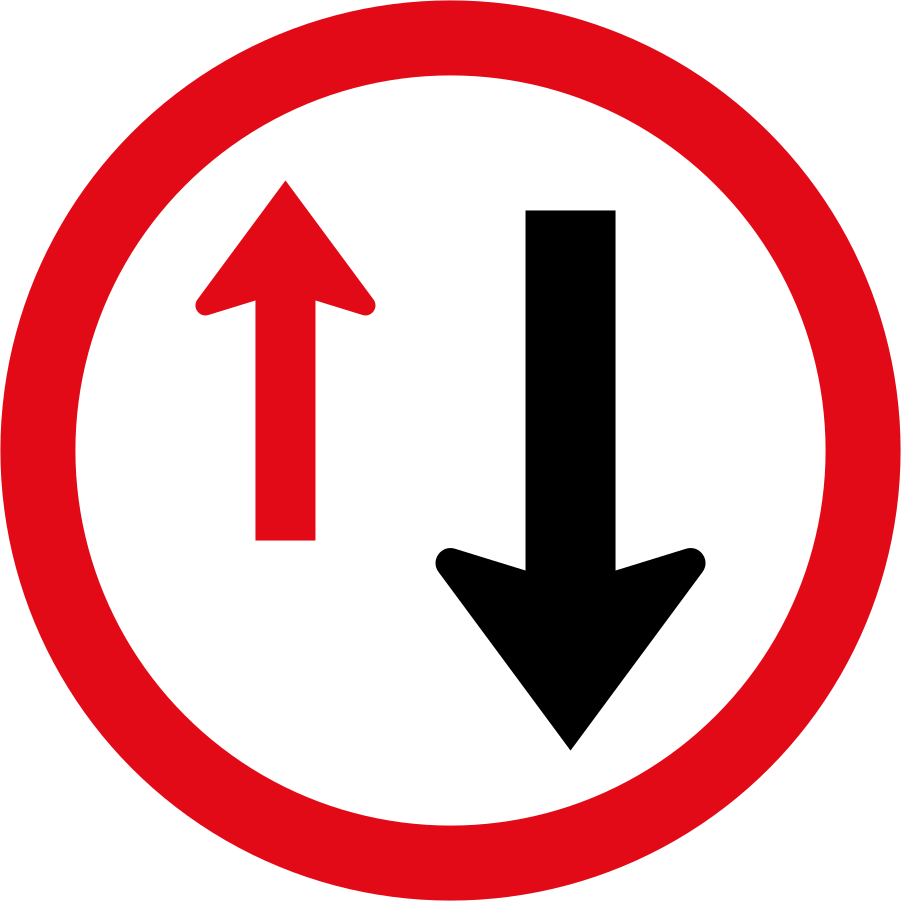
Two-way traffic
The road ahead is a single carriageway carrying traffic in both directions.
Do: Keep well to the left and expect oncoming vehicles.
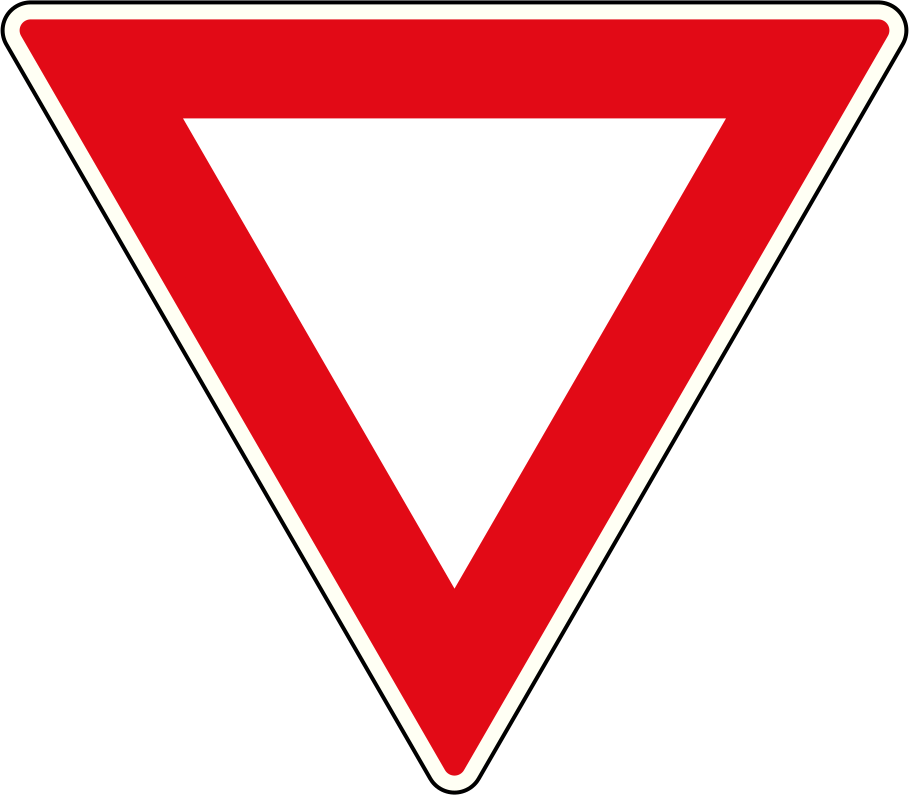
Yield
You must give right of way to traffic on the through road.
Do: Slow down, be ready to stop, and only enter when you will not obstruct anyone.
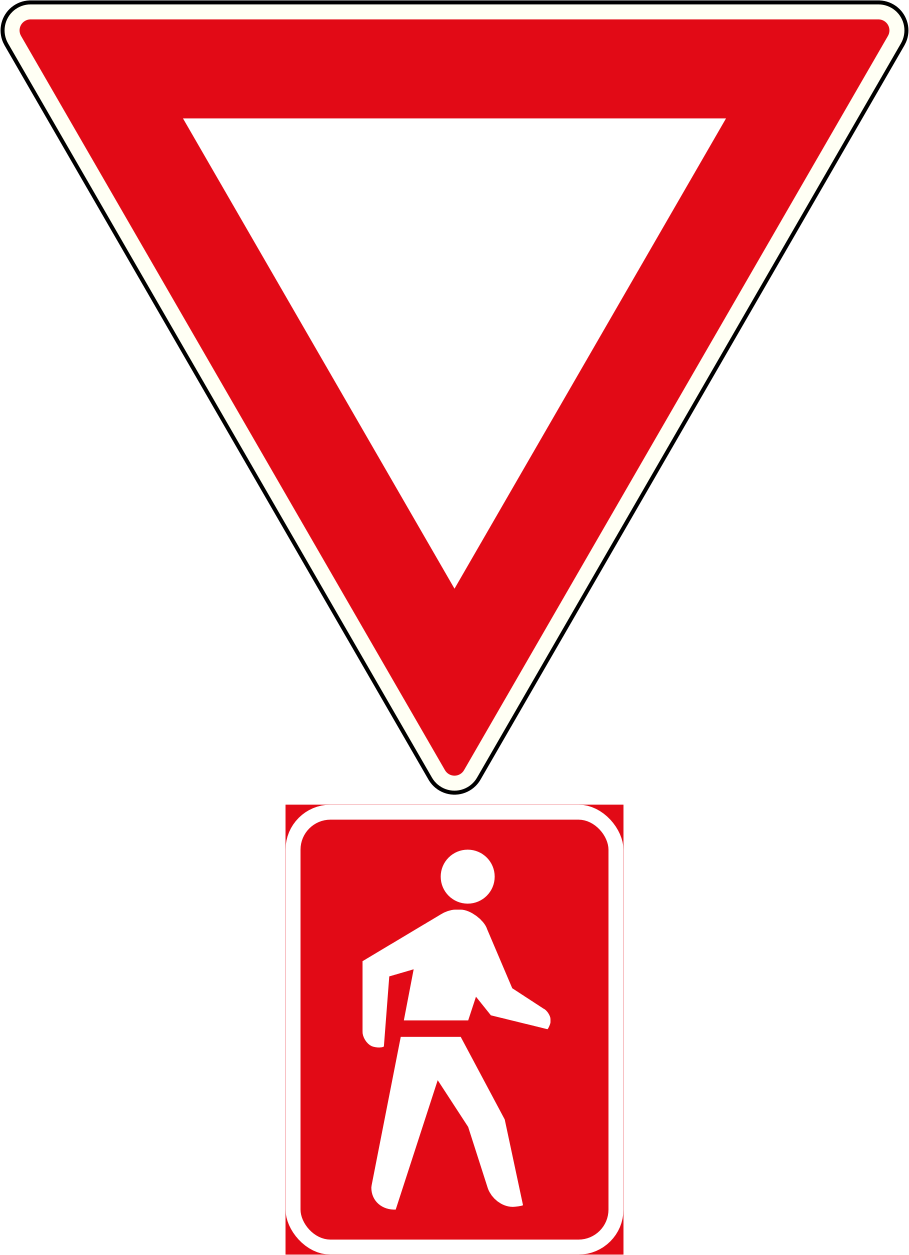
Yield to pedestrians
Pedestrians crossing here have right of way over you.
Do: Give way to any pedestrian on or entering the crossing.
Command signs15
Blue discs. They tell you what you must do — not what you may do.
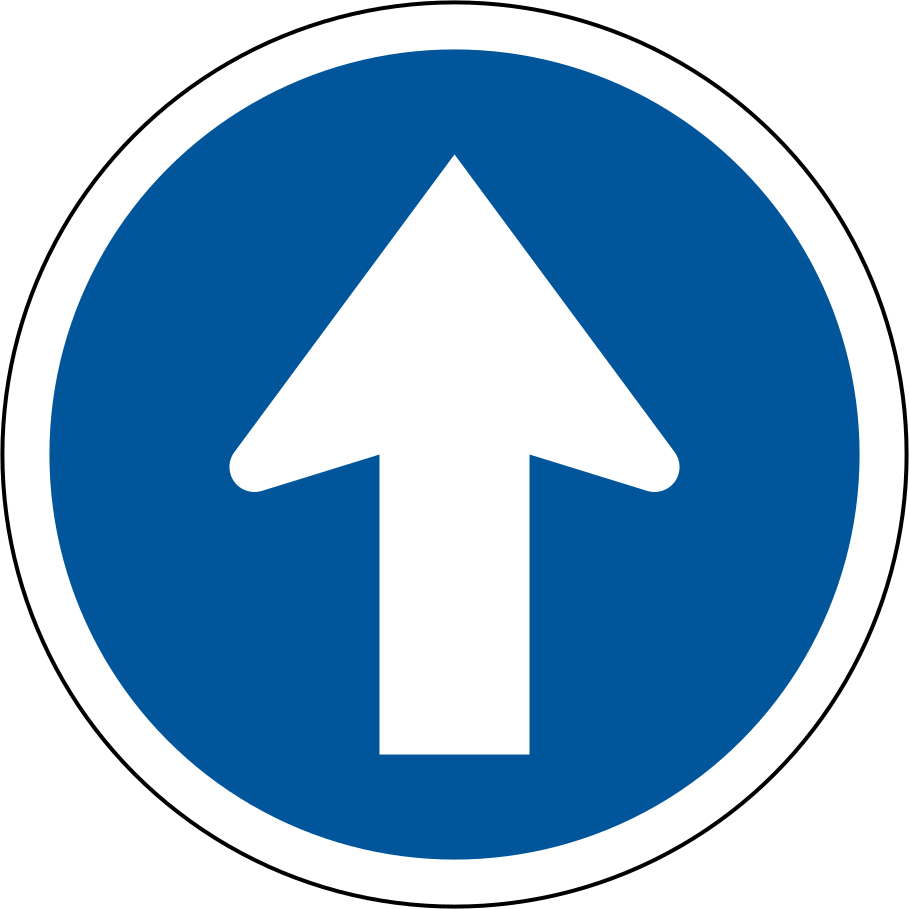
Proceed straight only
You may only travel straight ahead from here.
Do: Continue straight — turning left or right is not permitted.
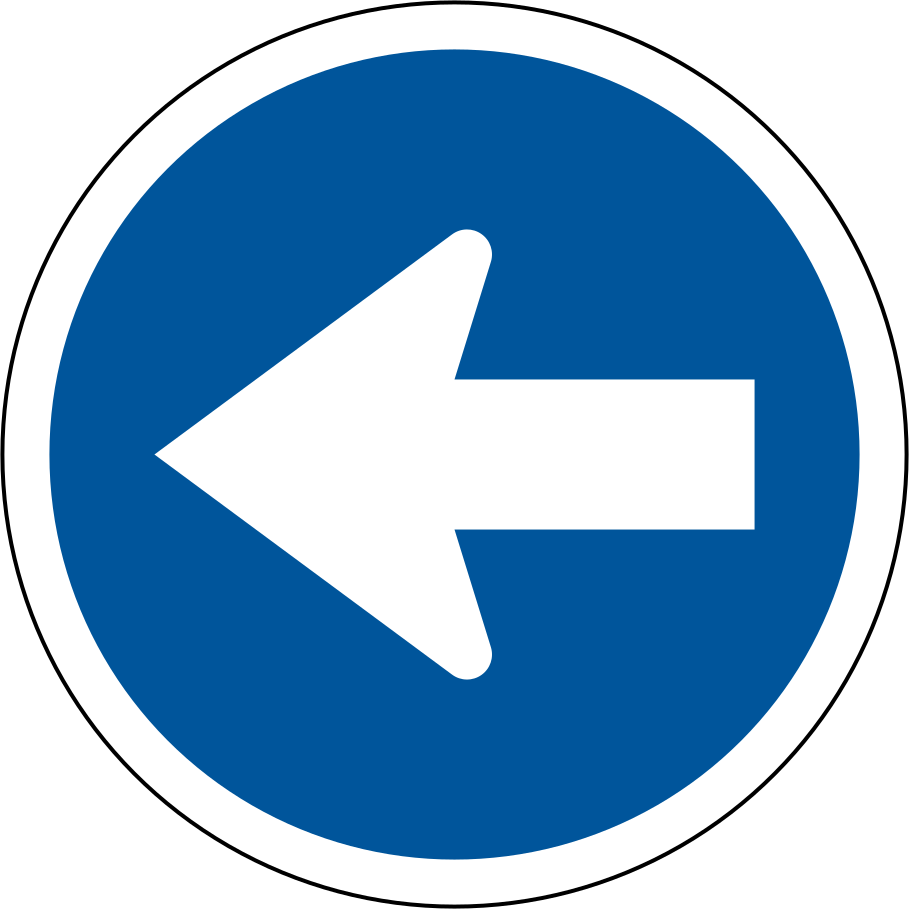
Turn left
You must turn left ahead.
Do: Take the left turn — no other direction is permitted.
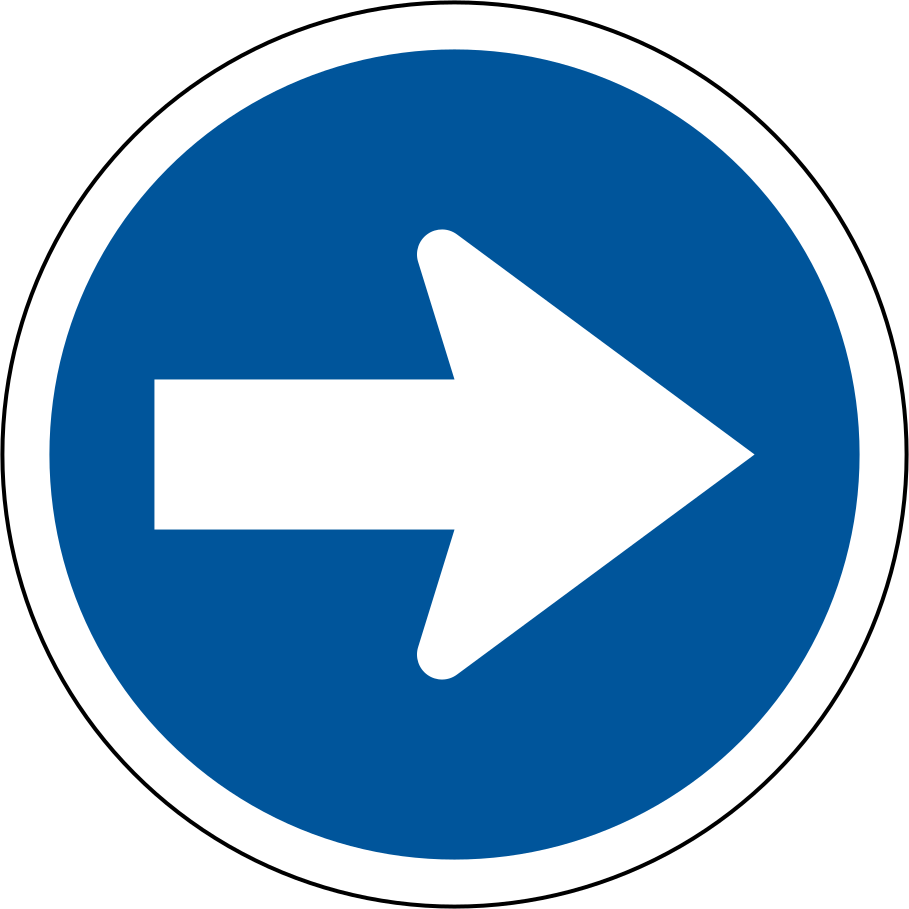
Turn right
You must turn right ahead.
Do: Take the right turn — no other direction is permitted.
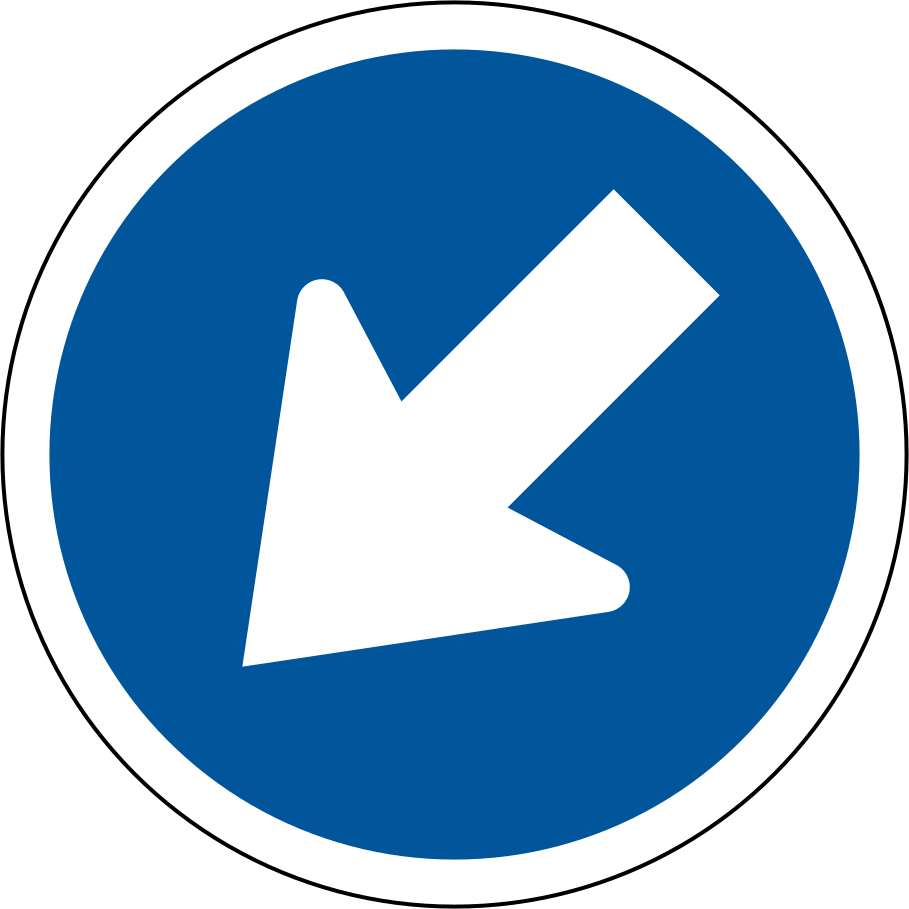
Keep left
You must pass to the left of the obstruction or island.
Do: Move to the left of the island and continue.
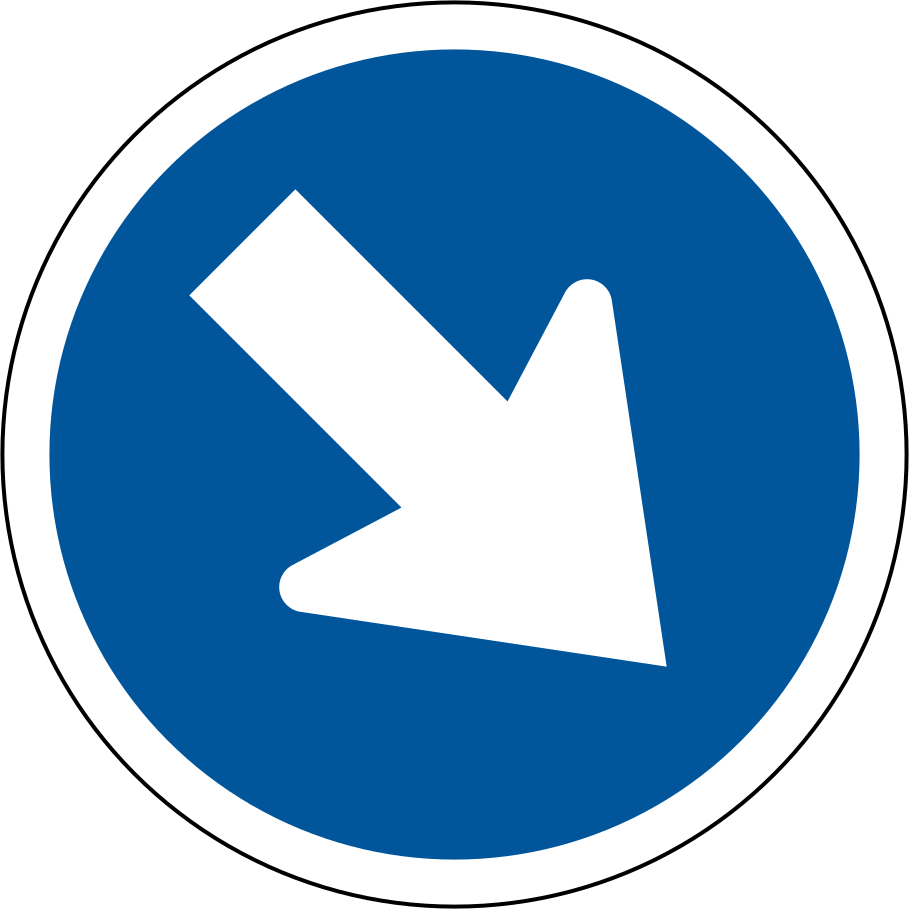
Keep right
You must pass to the right of the obstruction or island.
Do: Move to the right of the island and continue.
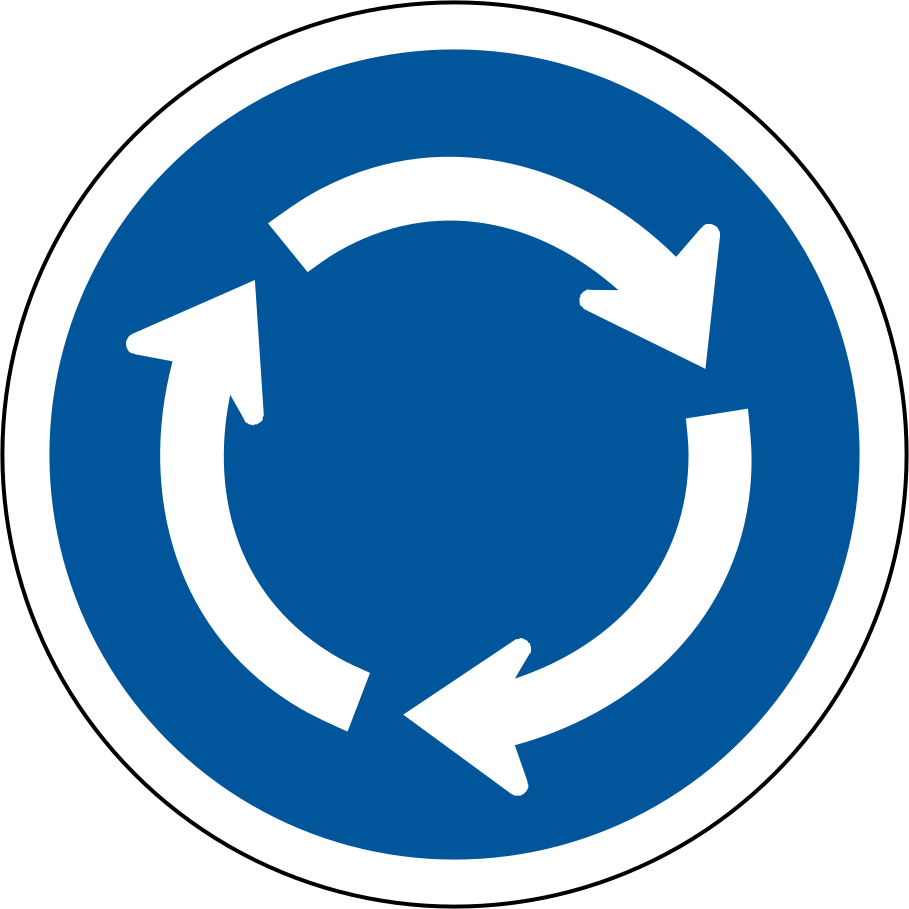
Mini circle
You are at a mini traffic circle and must drive around it.
Do: Yield to whoever arrived first, then drive around the circle to the left.
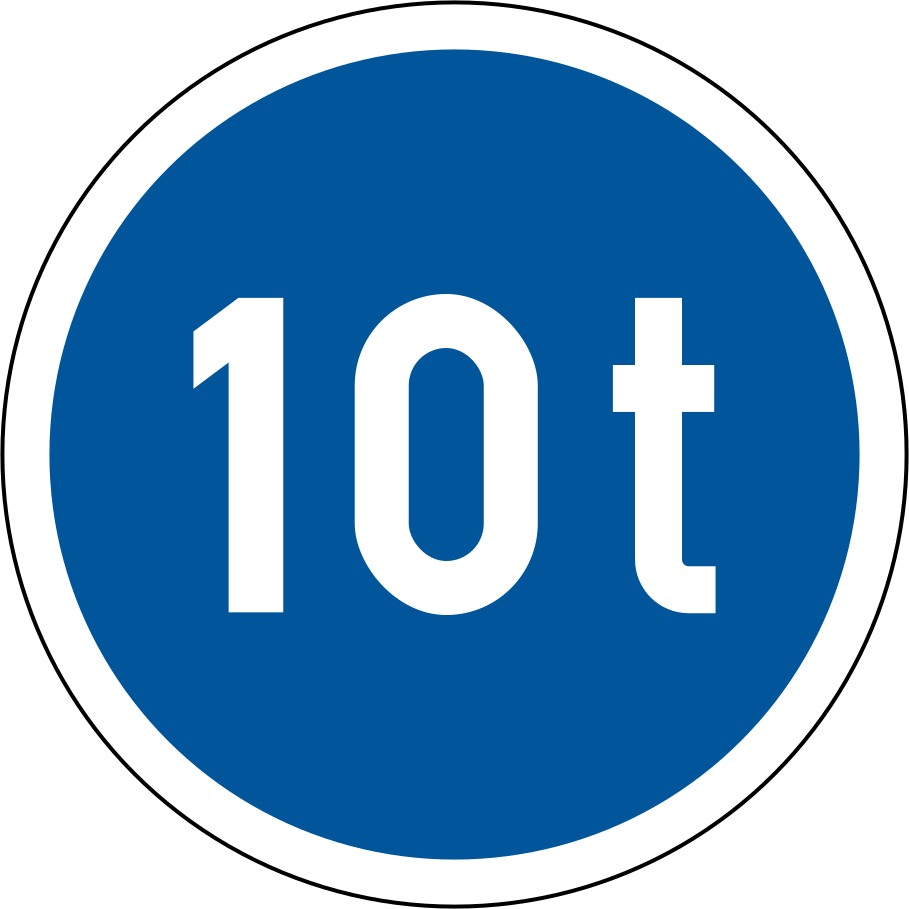
Heavy vehicles only
This road, or a lane of it, is set aside for heavy vehicles of the mass shown.
Do: Use it only if your vehicle is of that class; other traffic must keep out.
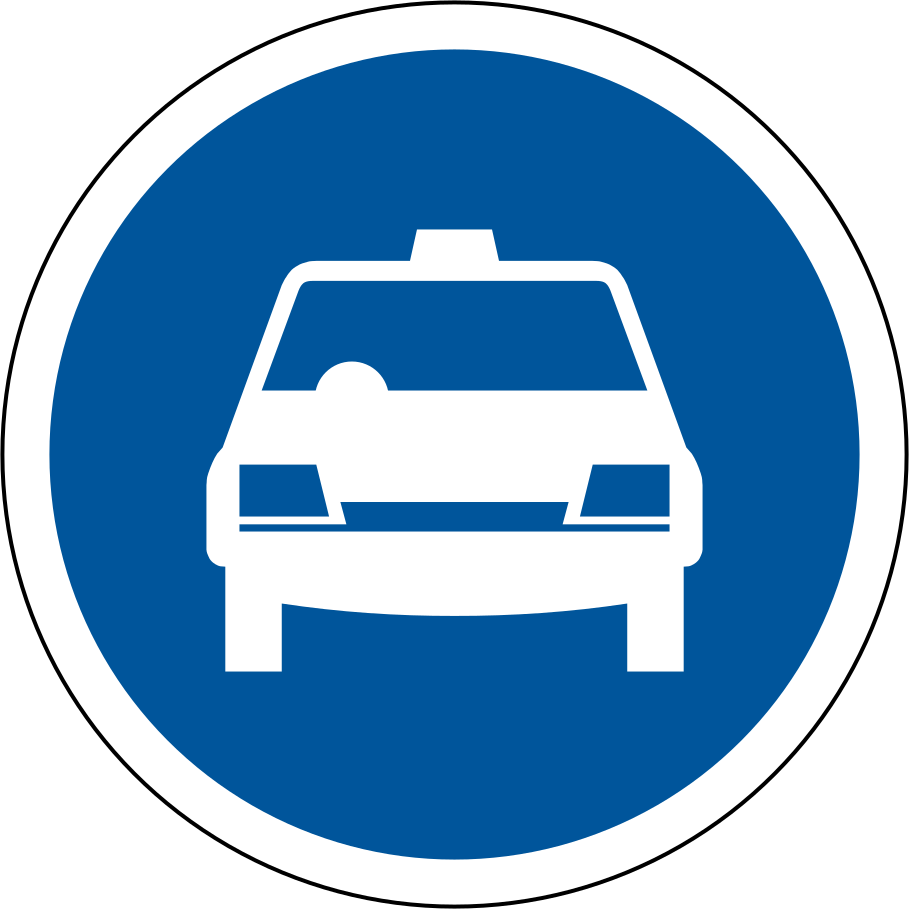
Taxis only
This road, or a lane of it, is set aside for taxis.
Do: Do not drive in it unless you are driving a taxi.
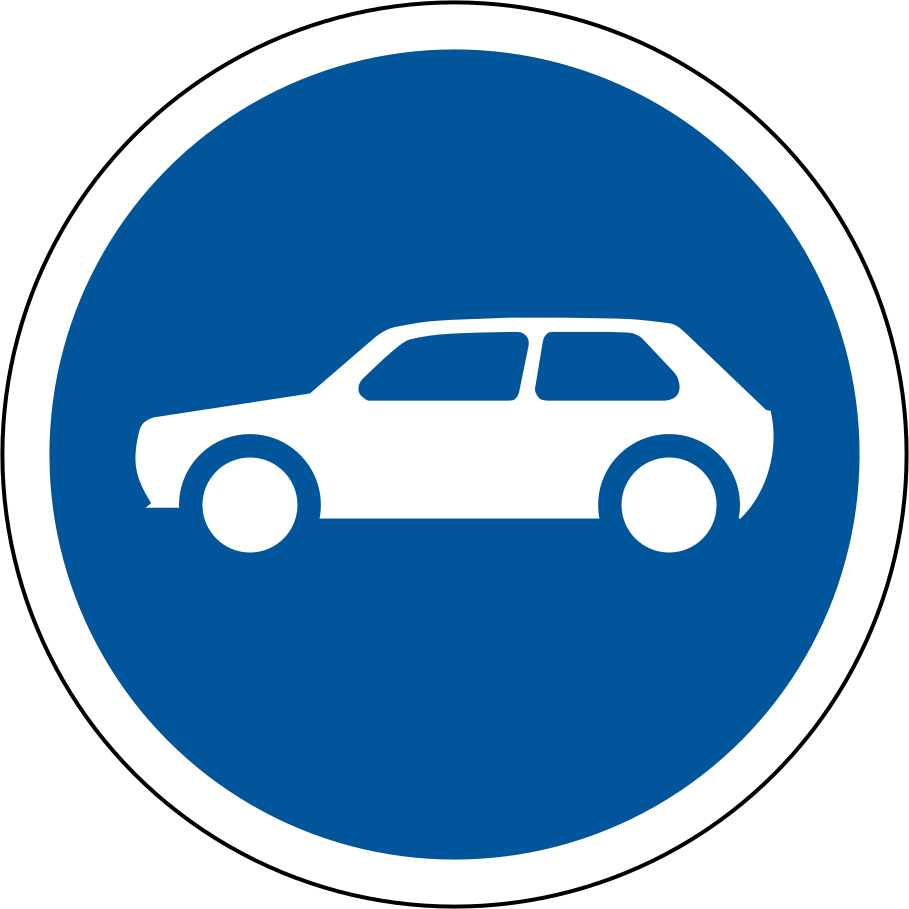
Motor cars only
This road, or a lane of it, is set aside for motor cars.
Do: Heavier classes must use another lane or route.
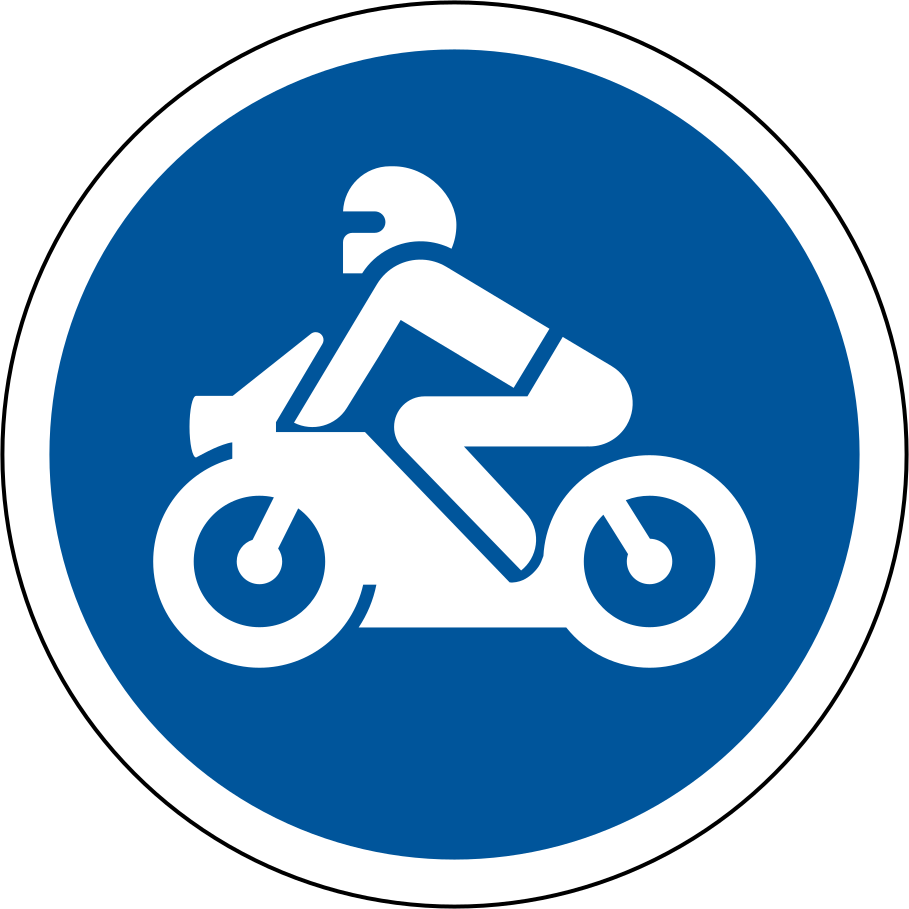
Motorcycles only
This road, or a lane of it, is set aside for motorcycles.
Do: Do not drive in it in any other vehicle.
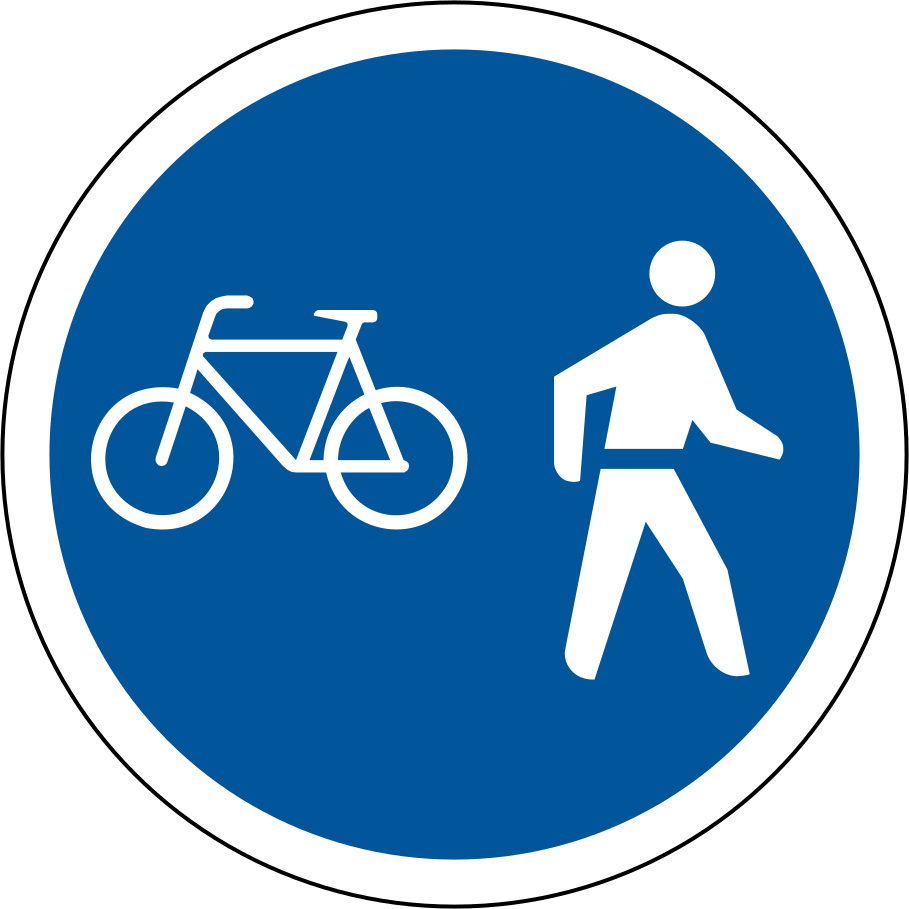
Pedestrians and cyclists
This way is for pedestrians and cyclists together, sharing the whole width.
Do: Do not drive on it; cyclists and walkers share the same space.
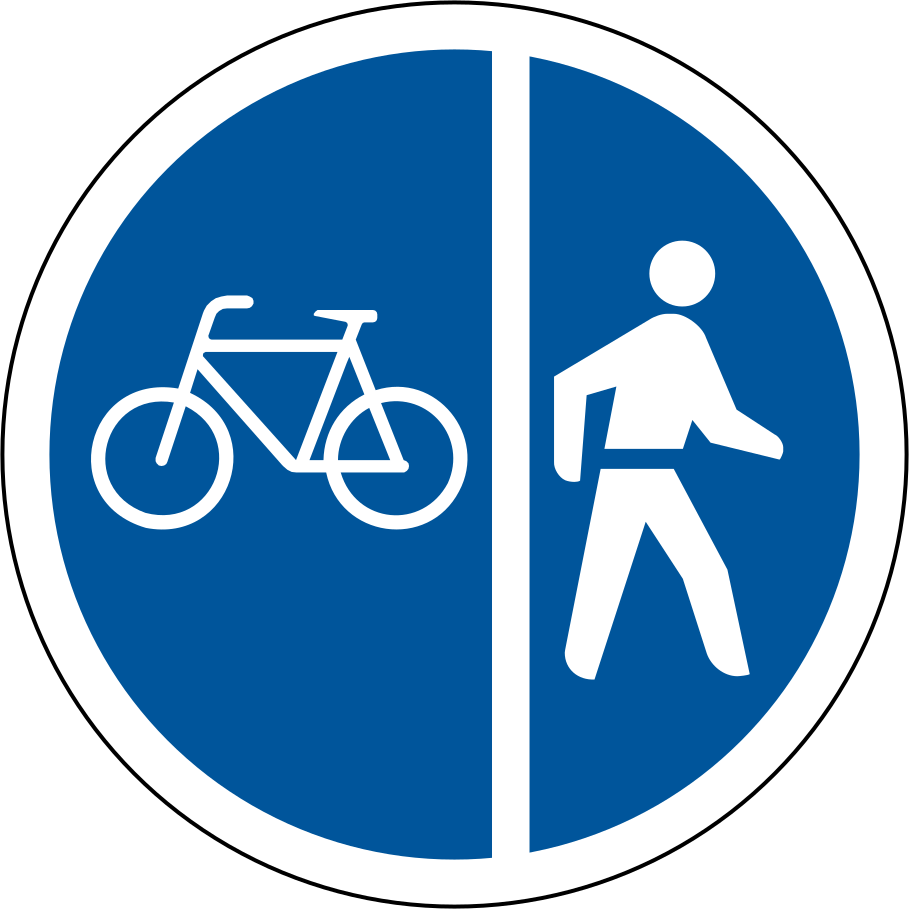
Separate cycle and walking path
This way is for pedestrians and cyclists, each keeping to their own side of the line.
Do: Do not drive on it; keep to the side marked for you.
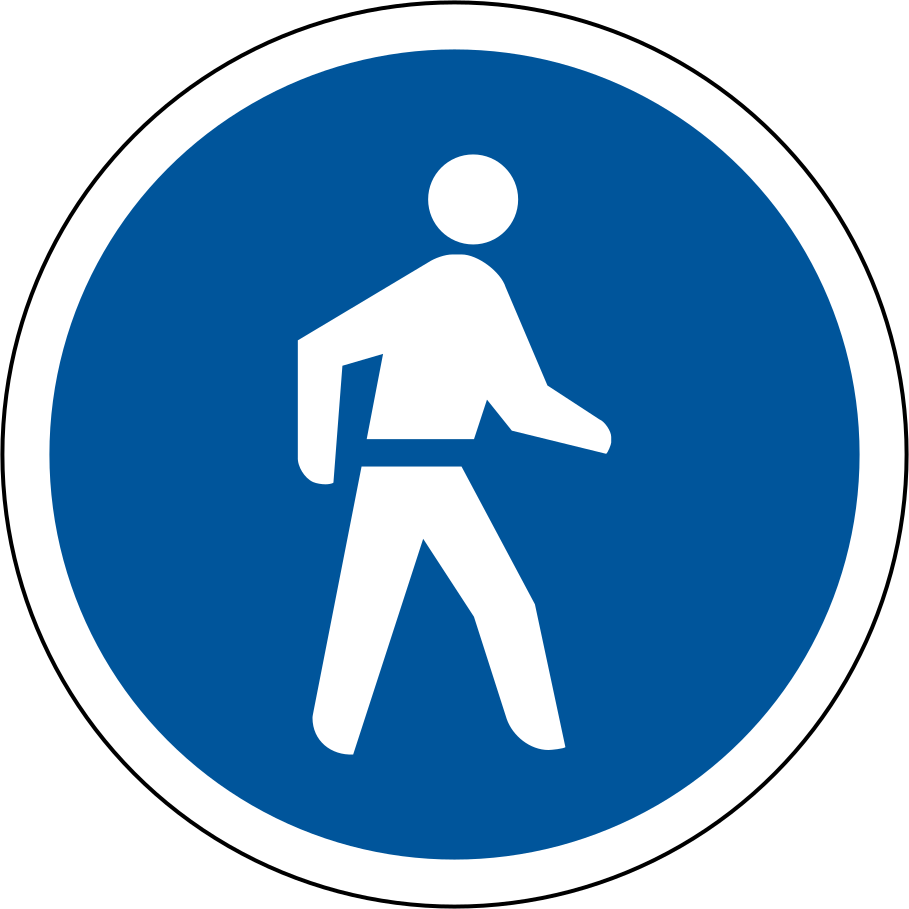
Pedestrians only
This way is reserved for pedestrians.
Do: Do not drive here — it is for people on foot only.
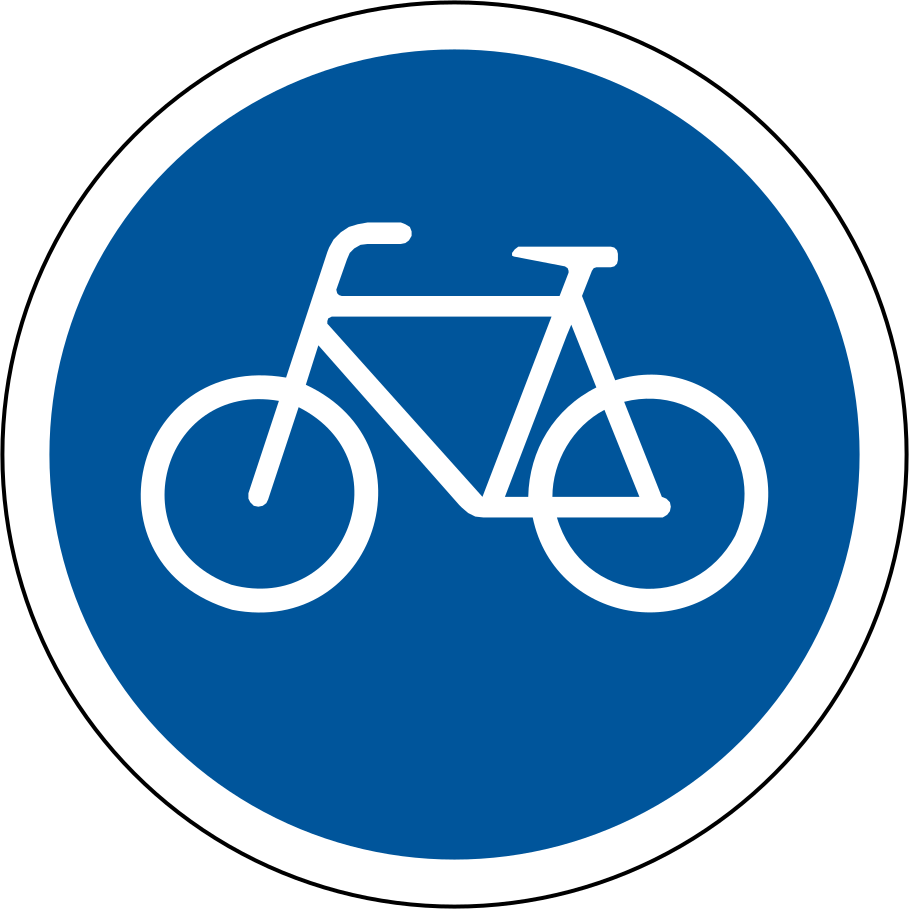
Cycle path
This path is reserved for pedal cyclists.
Do: Do not drive or park in the cycle path.
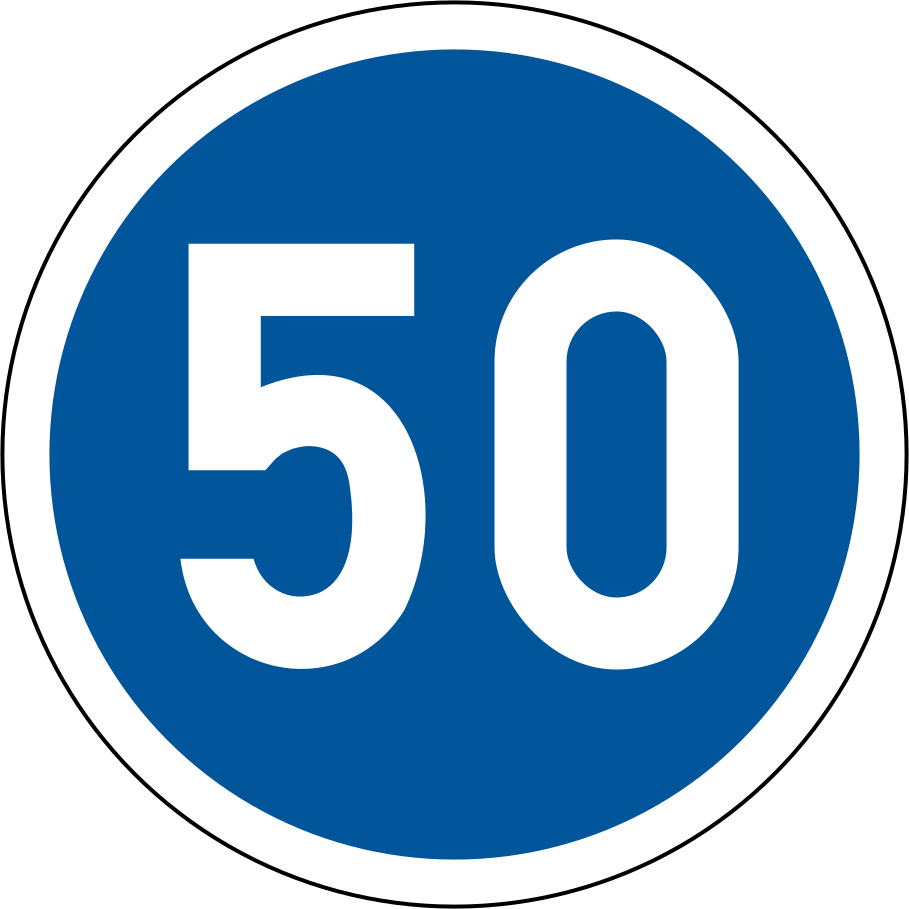
Minimum speed
You must travel at no less than the speed shown.
Do: Keep your speed at or above the figure shown, traffic permitting.
Prohibition signs21
Red rings. They tell you what you must not do. The red slash is the giveaway.
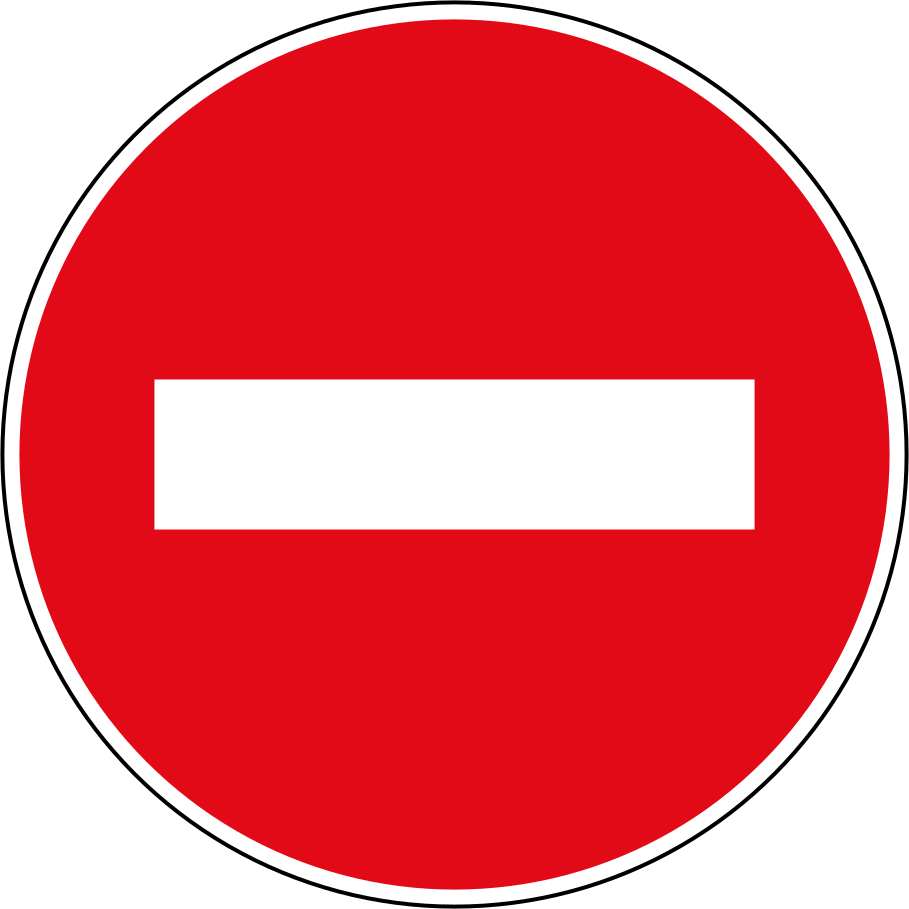
No entry
Vehicles may not enter this road.
Do: Do not enter — find another route.
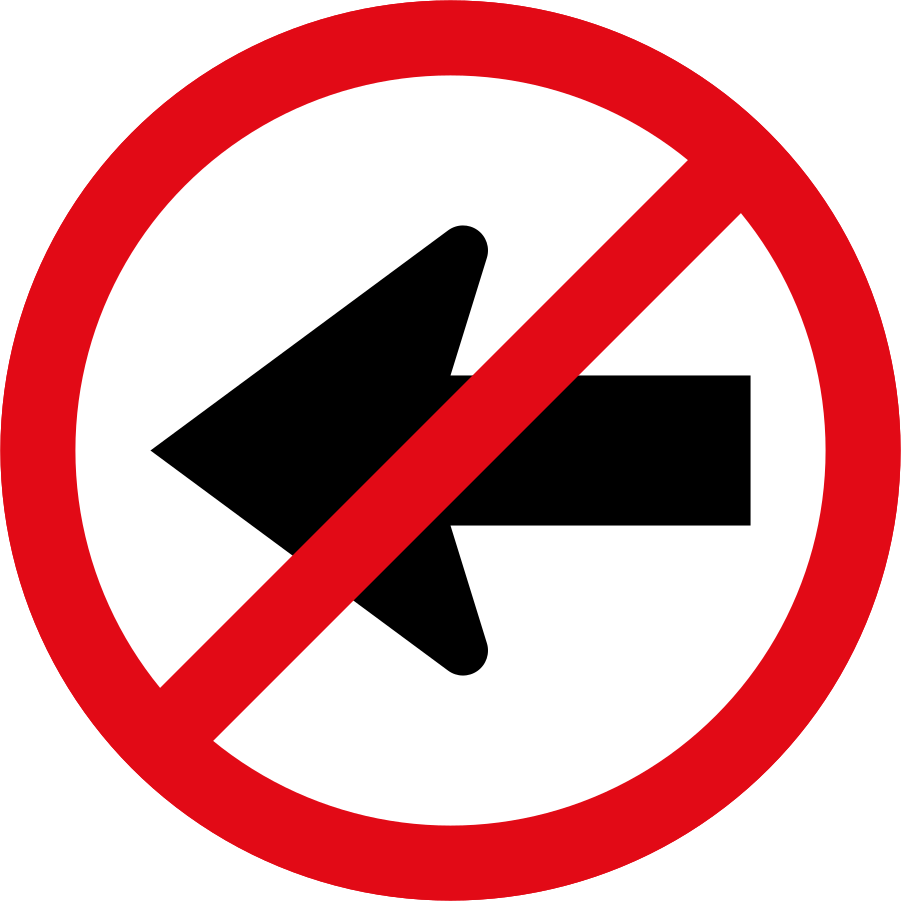
No left turn
Turning left here is prohibited.
Do: Carry on past the turn and find another way round.
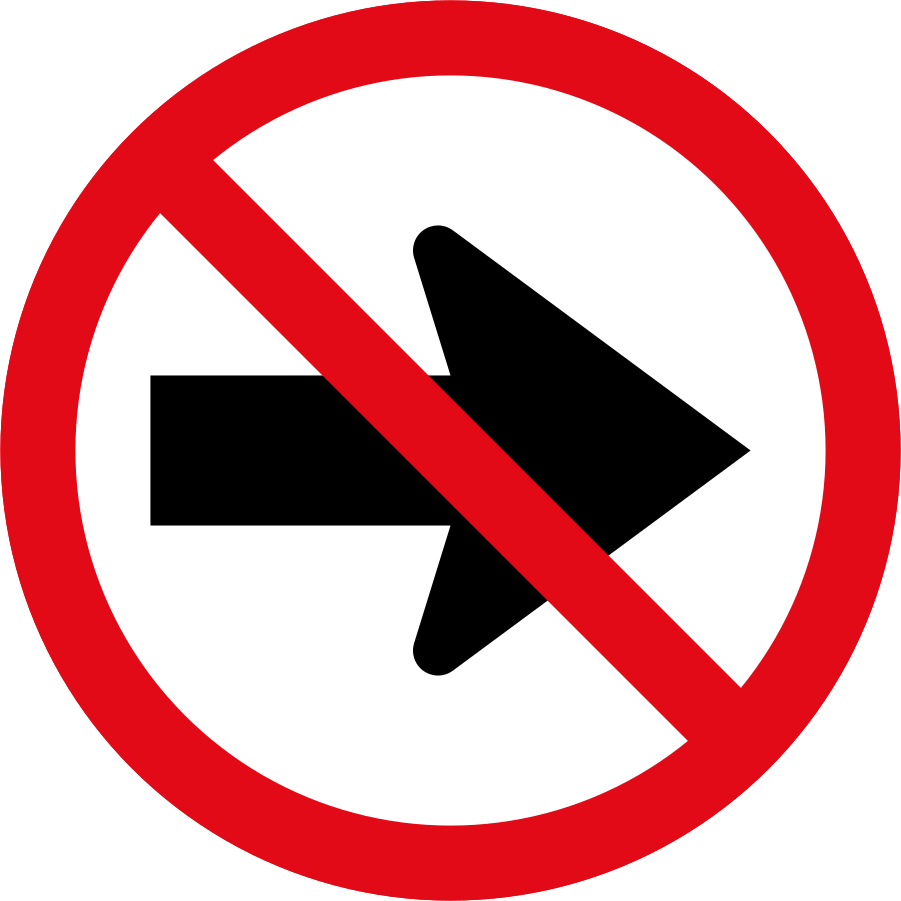
No right turn
Turning right here is prohibited.
Do: Carry on past the turn and find another way round.
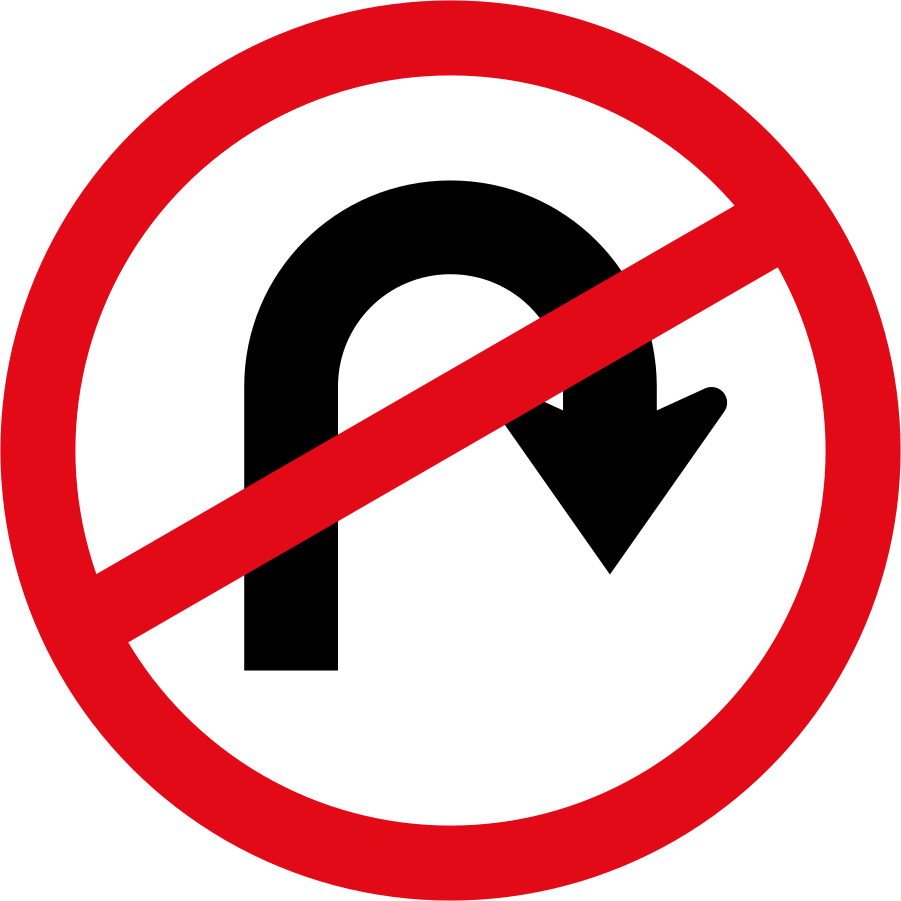
No U-turn
You may not make a U-turn here.
Do: Continue on and turn around somewhere it is permitted.
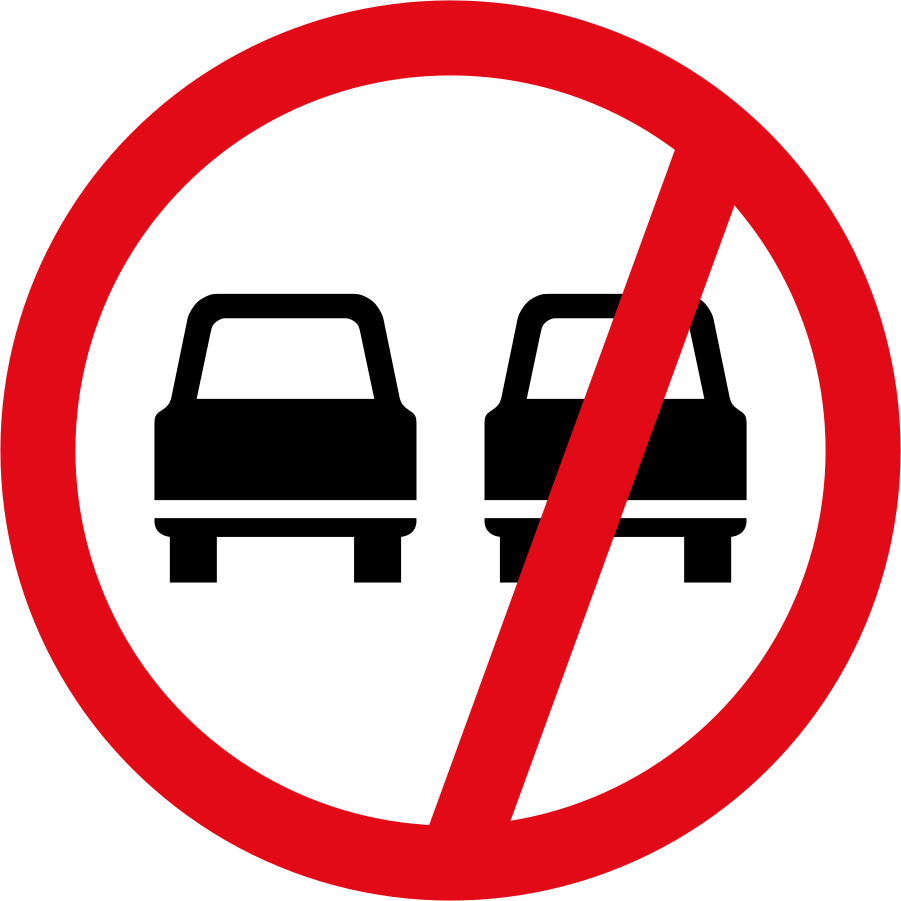
No overtaking
Overtaking another vehicle is prohibited from this point.
Do: Stay behind the vehicle ahead until the prohibition ends.
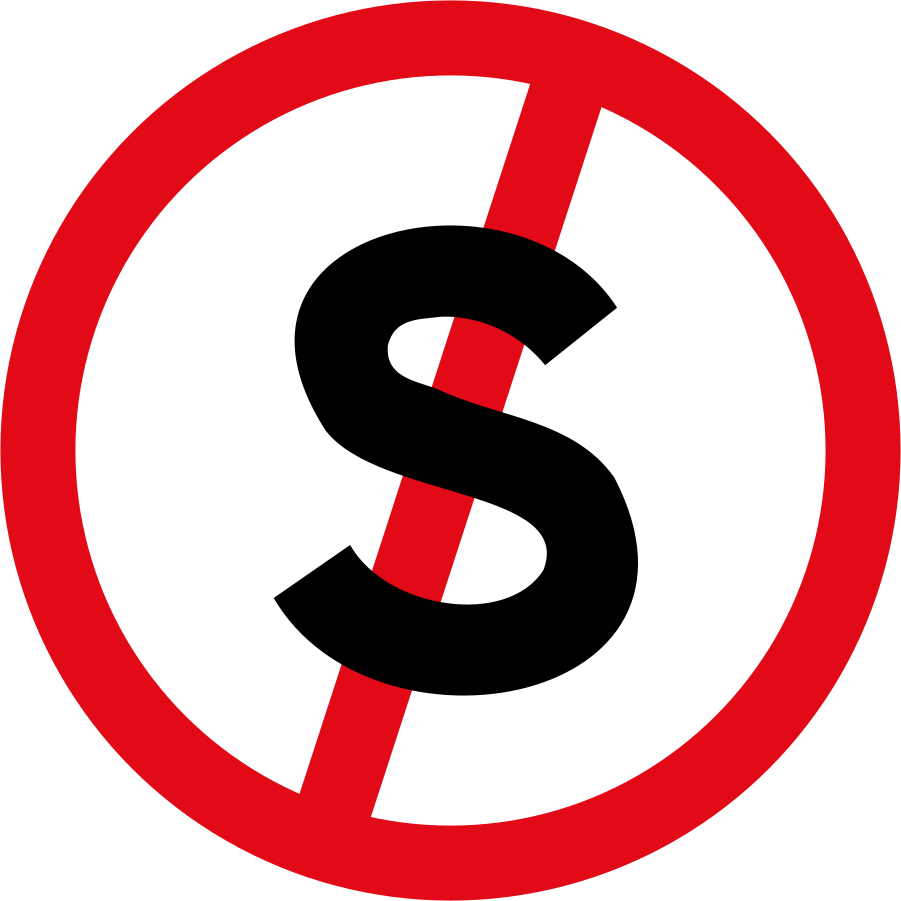
No stopping
You may not stop here at all, even briefly.
Do: Keep moving — you may not stop to drop off passengers or wait here.
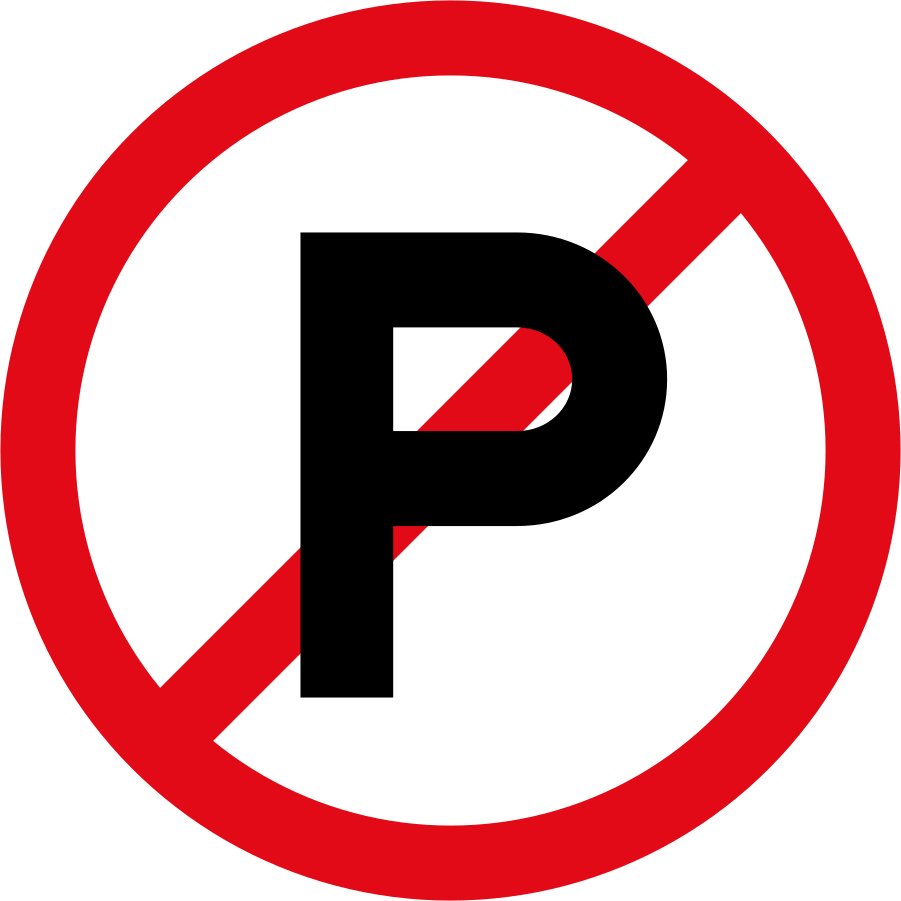
No parking
You may not park here, but you may stop briefly.
Do: You may stop to load or drop someone, but you may not leave the vehicle parked.
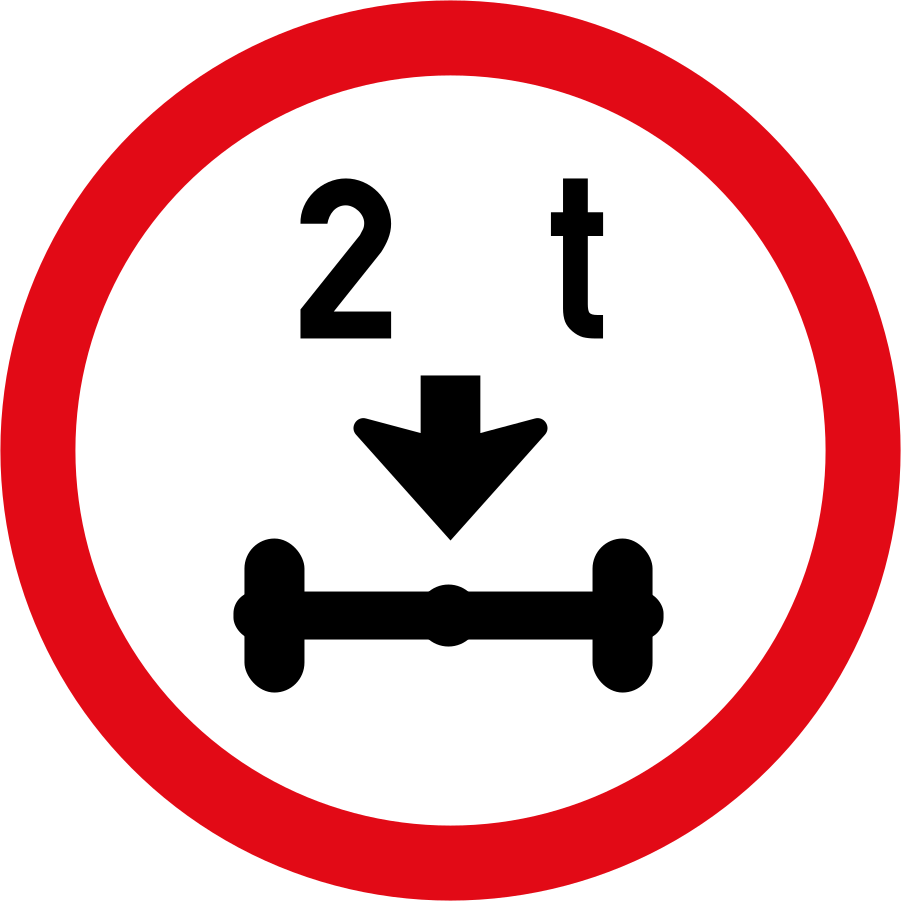
Axle massload limit
A vehicle with a heavier load on any one axle than shown may not proceed.
Do: Check the load on each axle, not only the total mass of the vehicle.
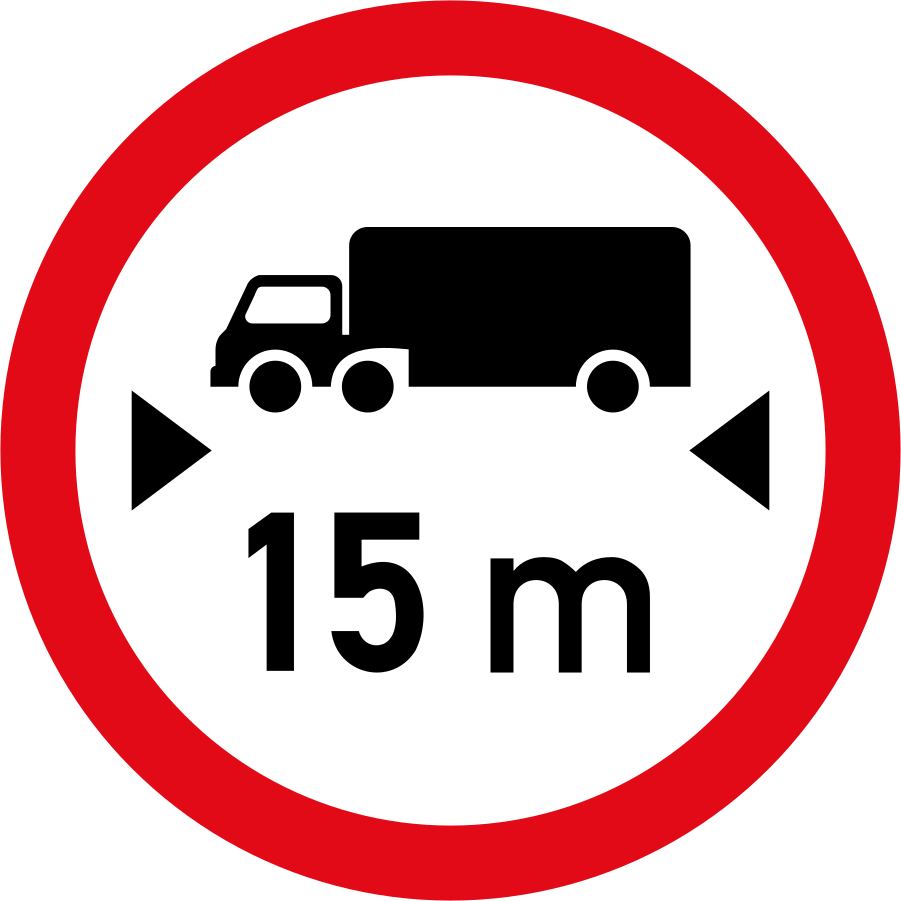
Length limit
A vehicle longer than the length shown may not proceed.
Do: Measure the whole combination, including any trailer.
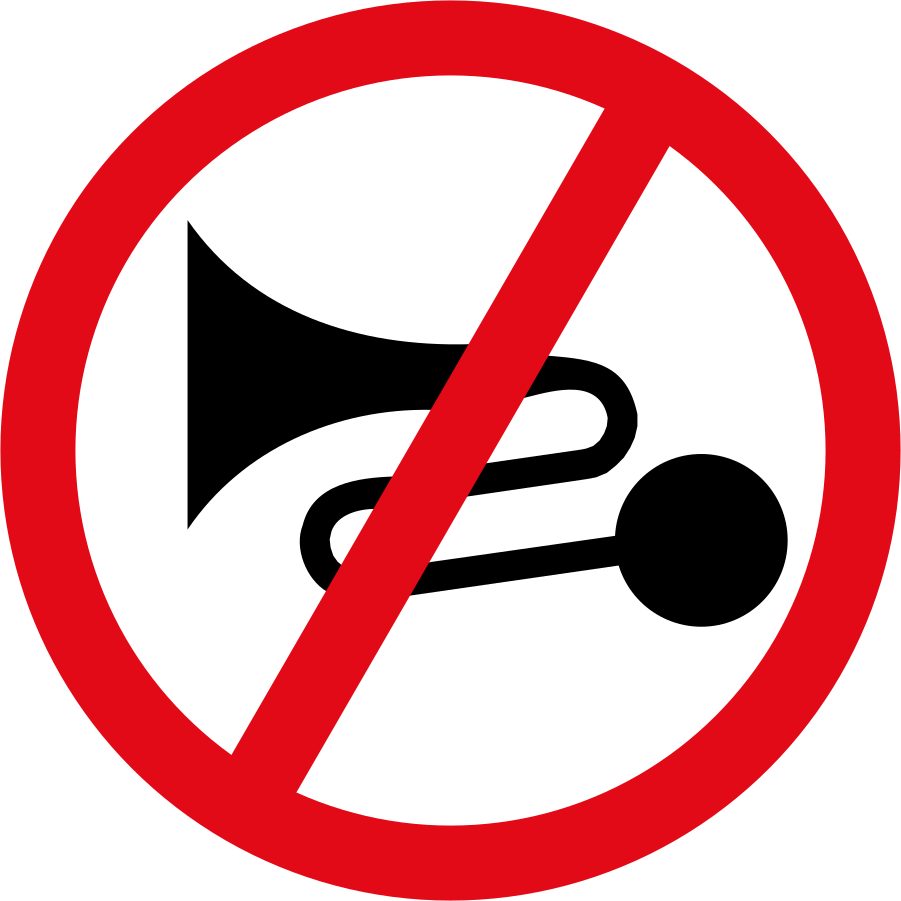
Noise prohibited
A noisy vehicle may not proceed, and the hooter may not be used for 100 m beyond the sign.
Do: Do not sound your hooter along this stretch.
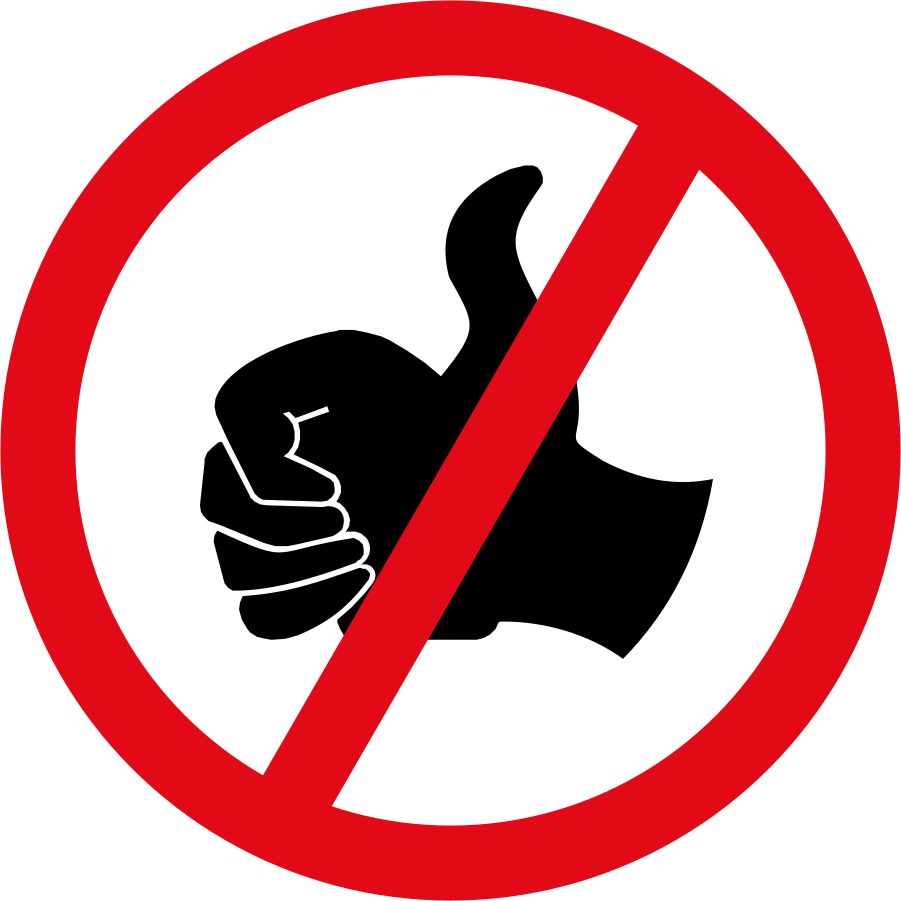
No picking up passengers
Pedestrians may not wait here and no driver may pick up passengers for the next 500 m.
Do: Do not stop for anyone signalling for a lift along this stretch.
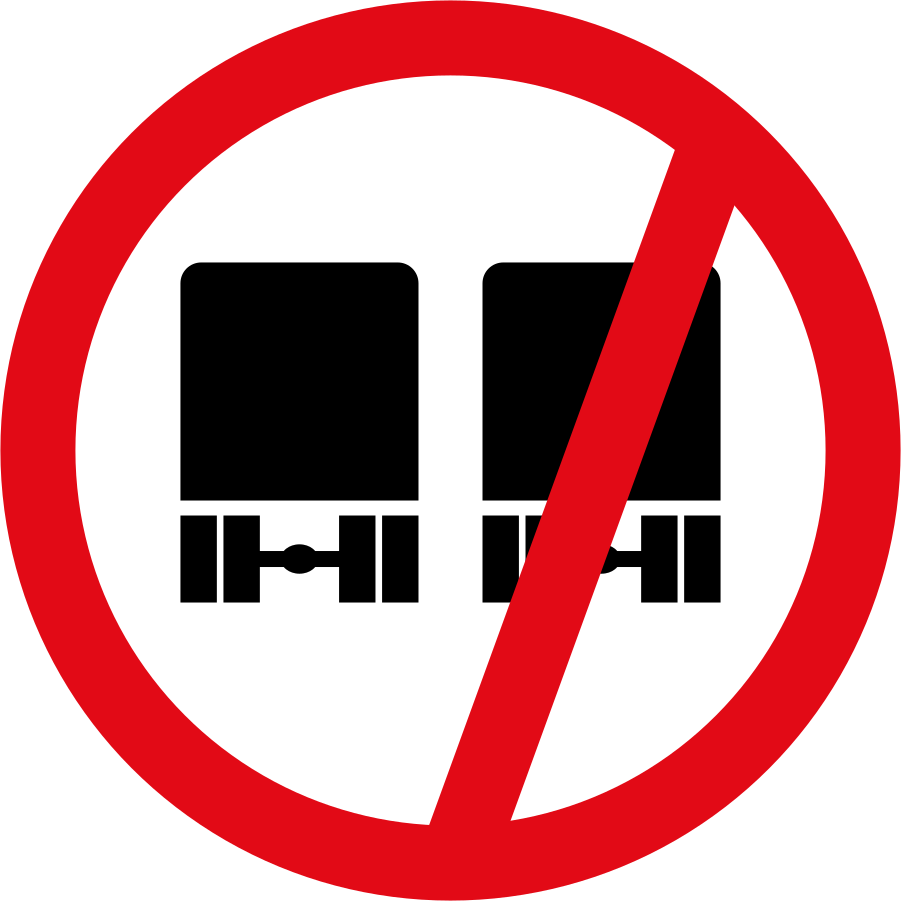
Goods vehicles may not overtake
A goods vehicle may not overtake another vehicle for the next 500 m.
Do: If you are driving a goods vehicle, stay behind until the restriction ends.
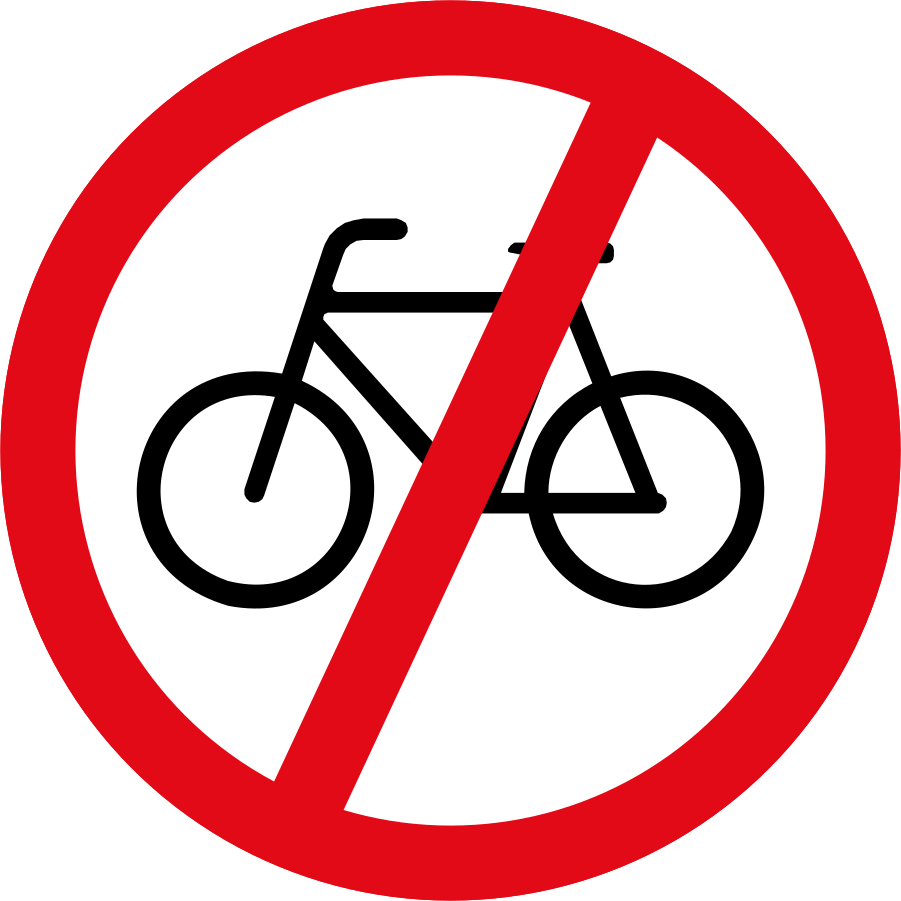
No cyclists
Pedal cyclists may not use this road.
Do: Cyclists must find another route.
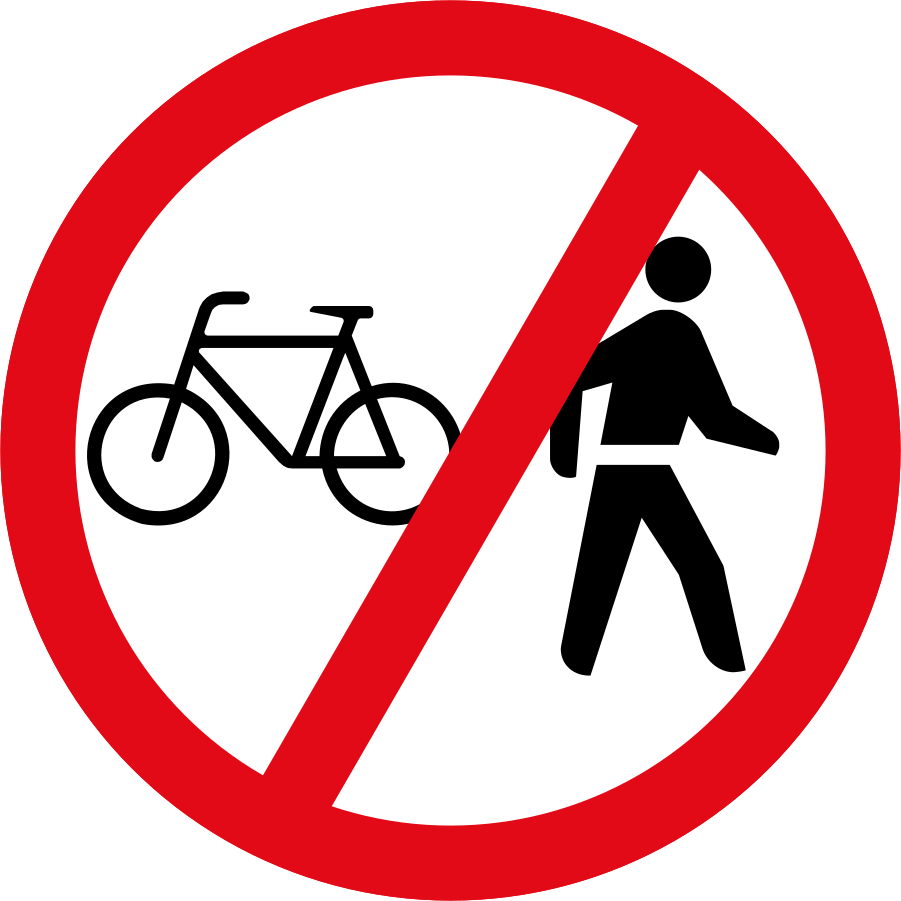
No pedestrians or cyclists
Neither pedestrians nor pedal cyclists may use this road.
Do: Both must find another route.
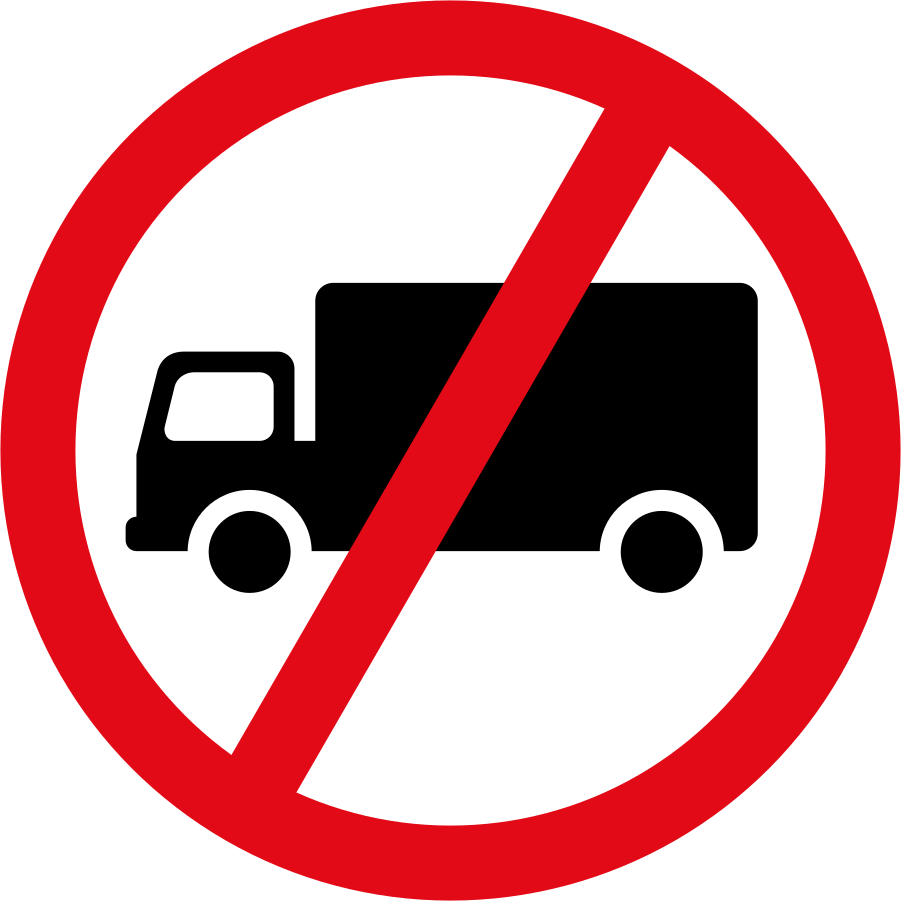
Goods vehicles over 3 500 kg prohibited
Goods vehicles above the stated mass may not proceed.
Do: Heavy vehicles must take an alternative route.
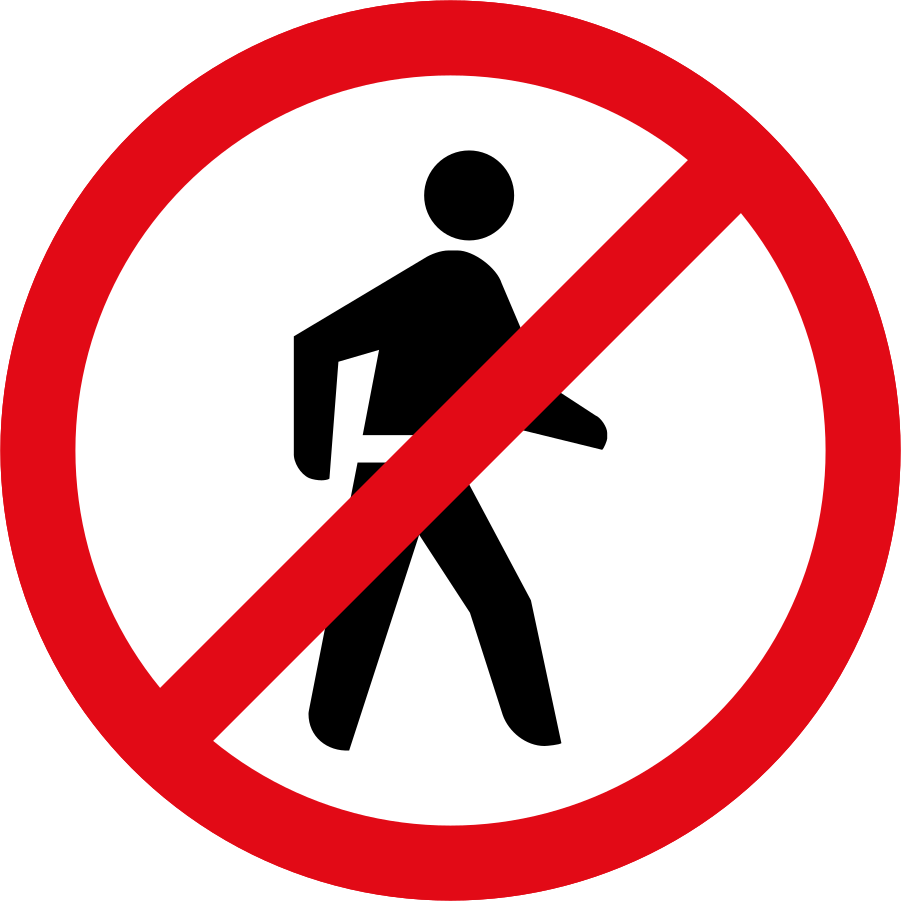
No pedestrians
Pedestrians may not walk on this road.
Do: Expect no legitimate foot traffic here — typically a freeway.
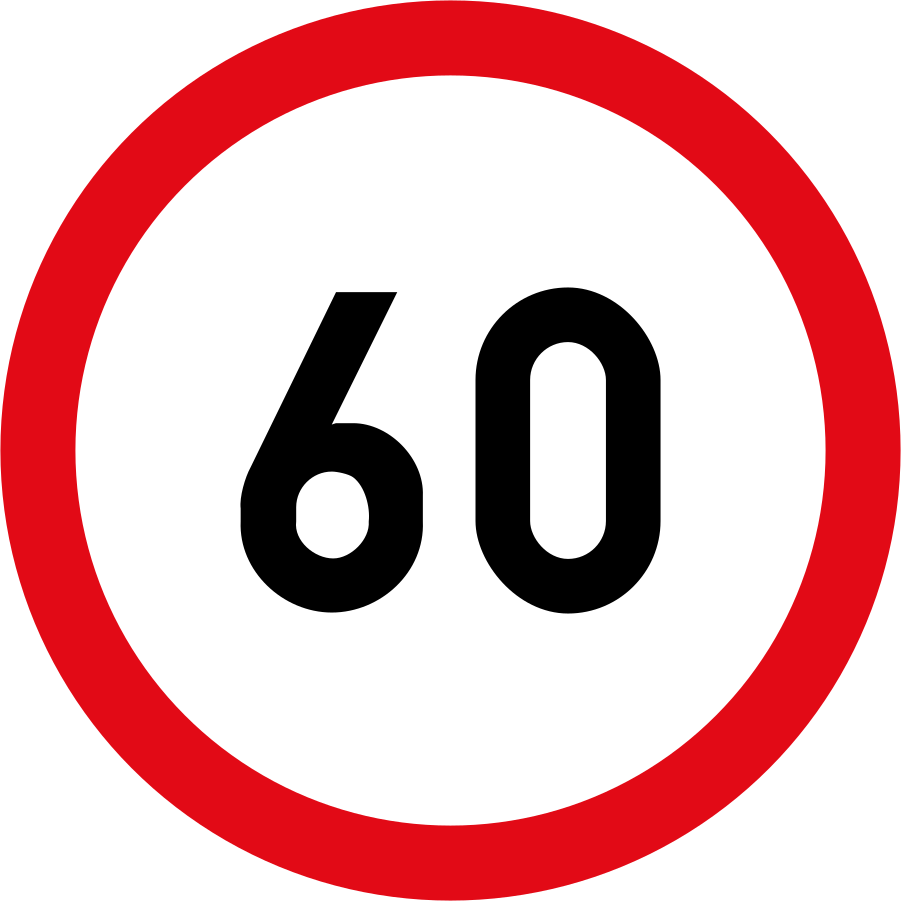
Speed limit 60
The maximum speed from here is 60 km/h.
Do: Do not exceed 60 km/h until the limit changes.
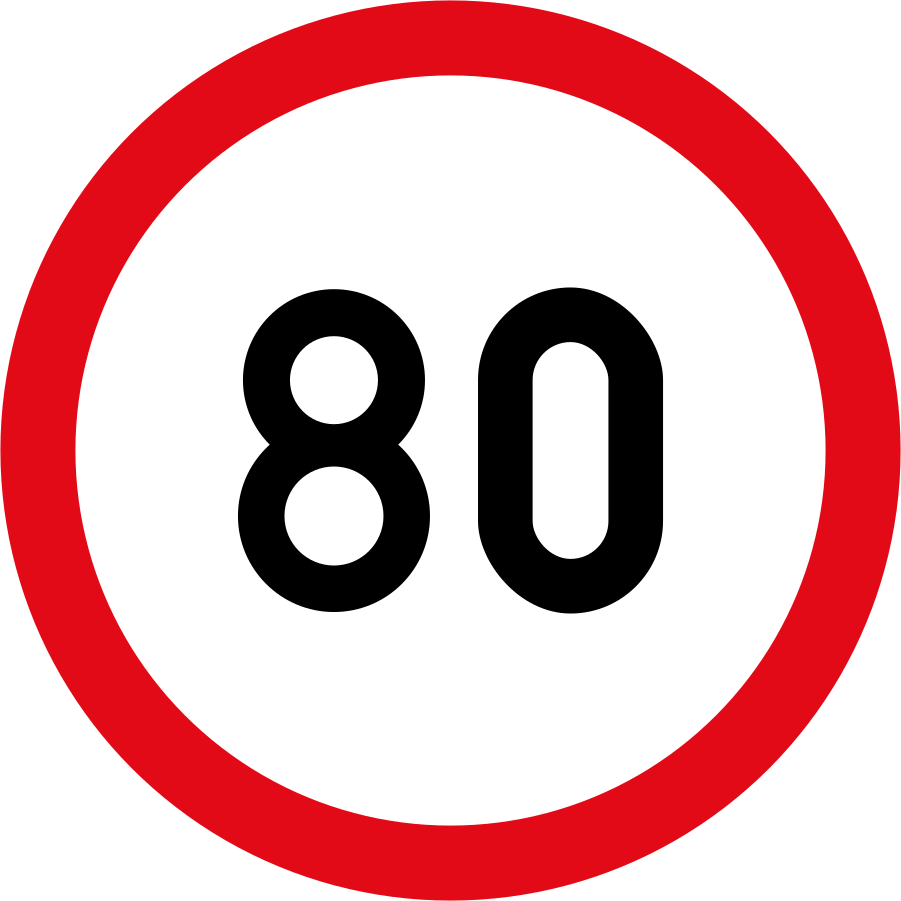
Speed limit 80
The maximum speed from here is 80 km/h.
Do: Do not exceed 80 km/h until the limit changes.
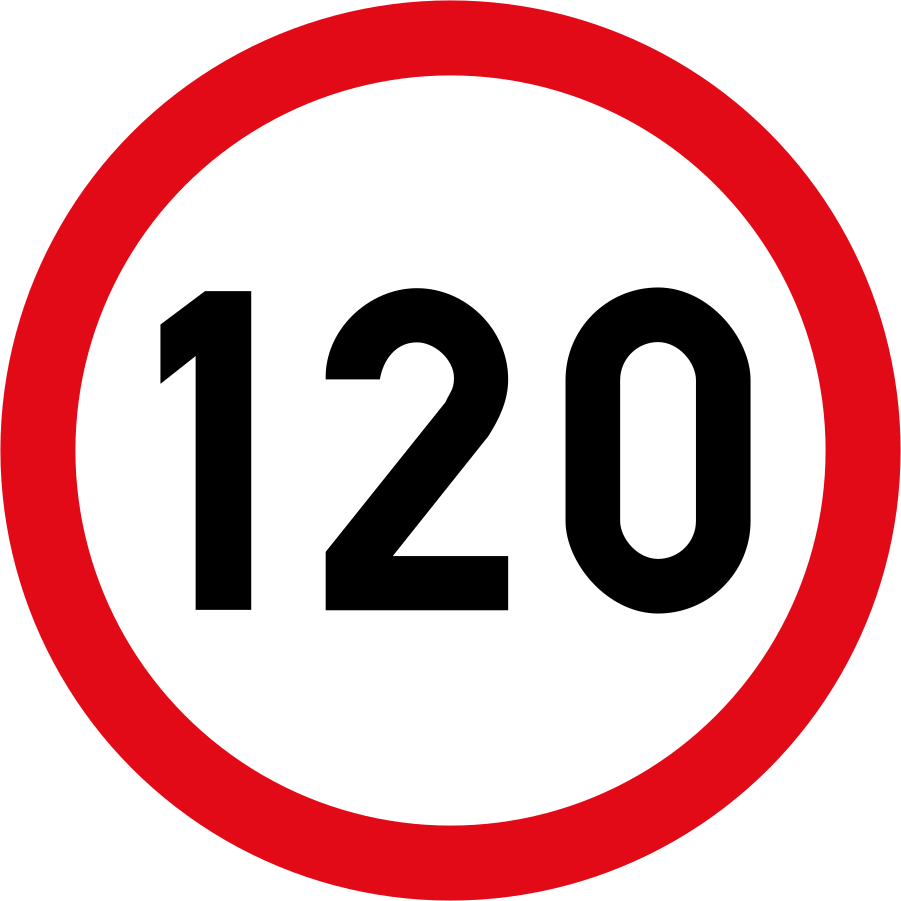
Speed limit 120
The maximum speed from here is 120 km/h.
Do: Do not exceed 120 km/h until the limit changes.
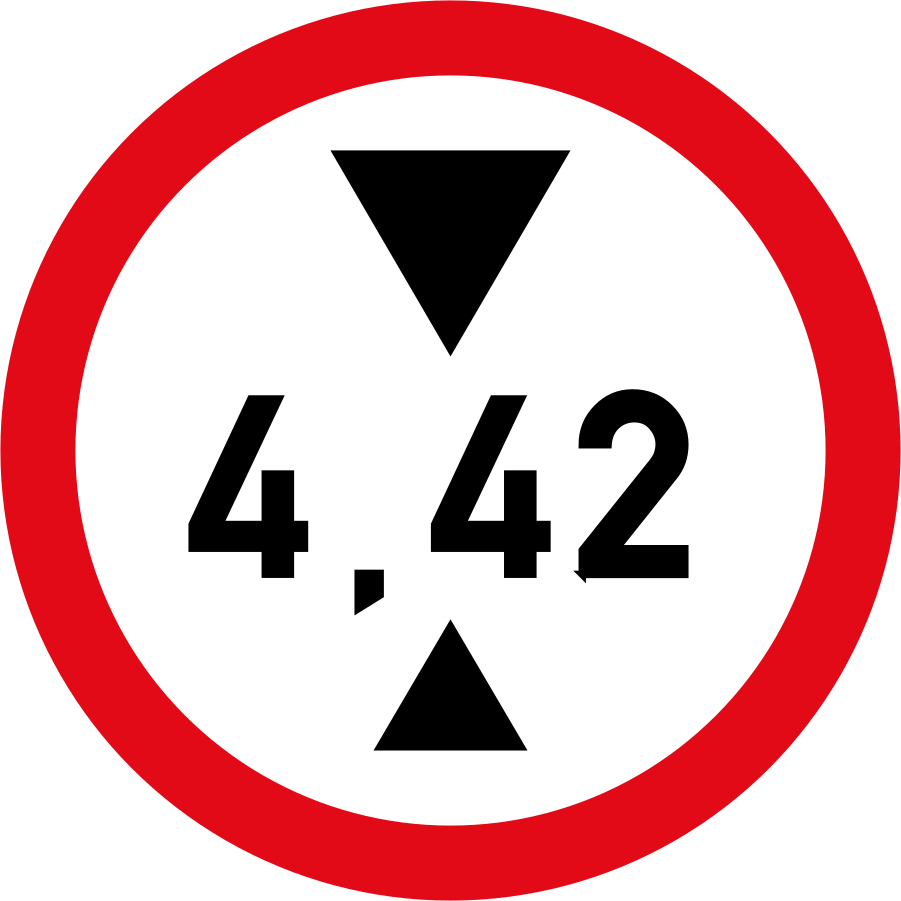
Height limit
Vehicles taller than the height shown may not proceed.
Do: Check your vehicle height and take another route if it is too tall.
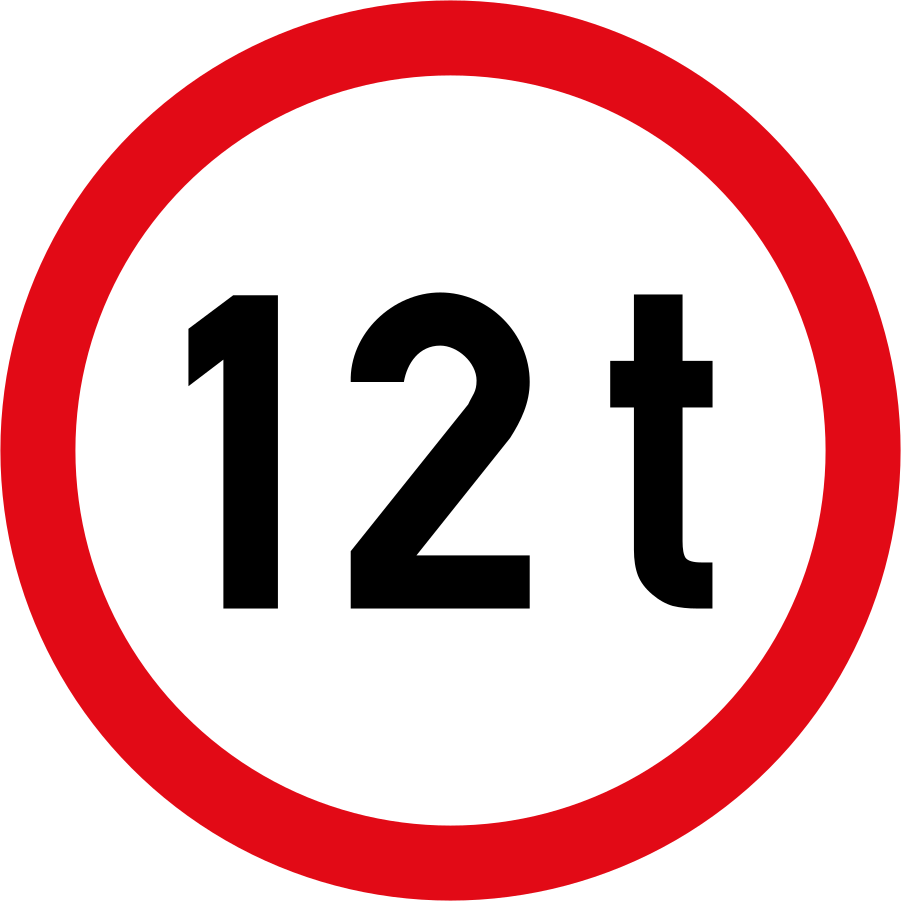
Mass limit
Vehicles heavier than the mass shown may not proceed.
Do: Take another route if your laden vehicle exceeds the limit.
Reservation signs4
Lanes set aside for one class of vehicle. Driving in one in an ordinary car is an offence.
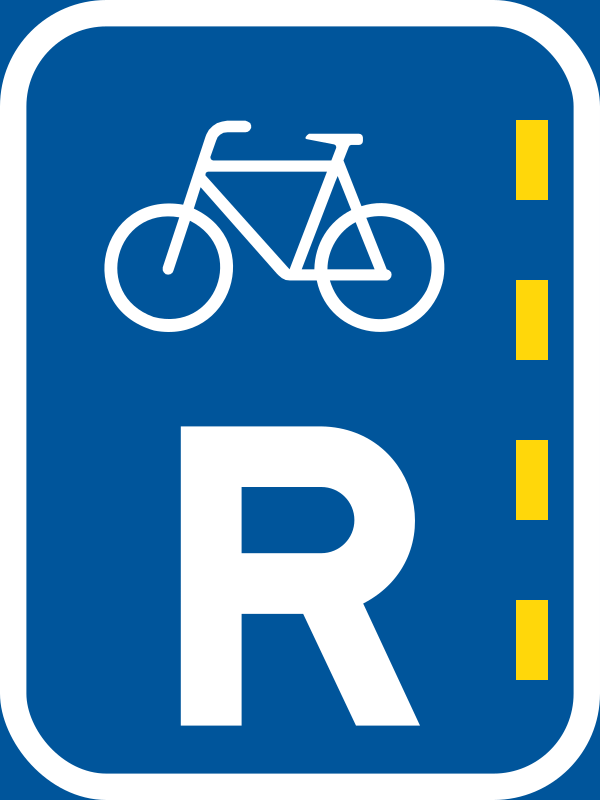
Cycle lane reserved
The lane on the side of the yellow line shown is reserved for pedal cyclists.
Do: Do not drive or park in it.
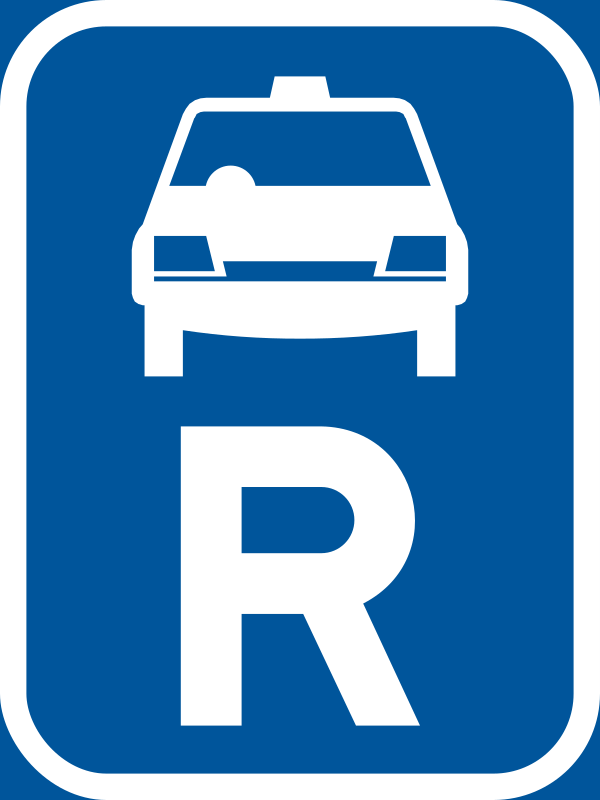
Taxi lane reserved
The lane on the side of the yellow line shown is reserved for taxis.
Do: Do not drive or park in it.
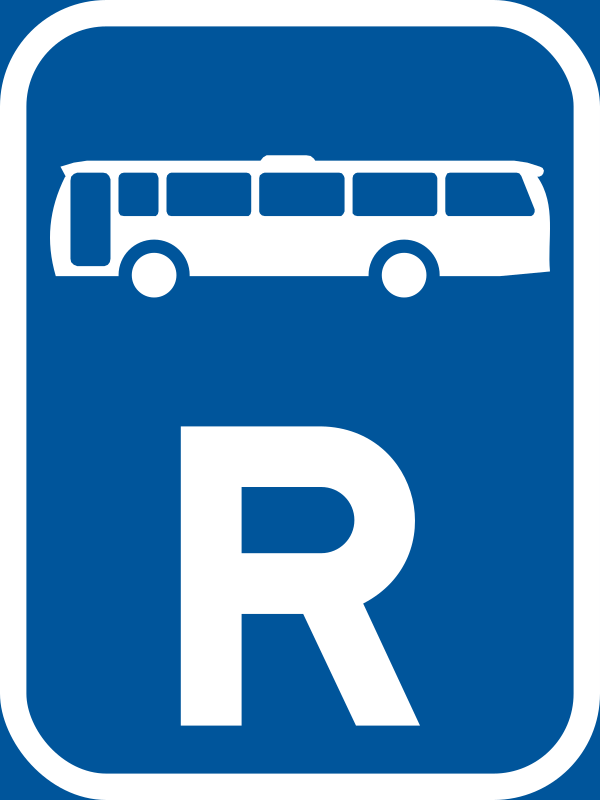
Bus lane reserved
This lane is reserved for buses.
Do: Do not drive in this lane unless you are driving a bus.
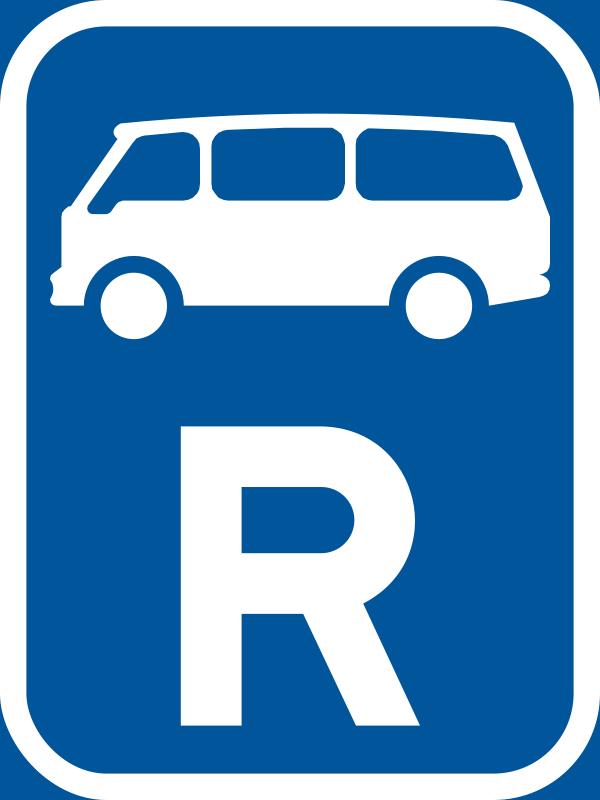
Minibus lane reserved
This lane is reserved for minibuses.
Do: Keep out of this lane in an ordinary motor car.
Warning signs40
Red triangles. They tell you what is ahead so you can adapt. They give no specific order, which is why they are not 'compulsory' signs — a distinction the test likes to probe.
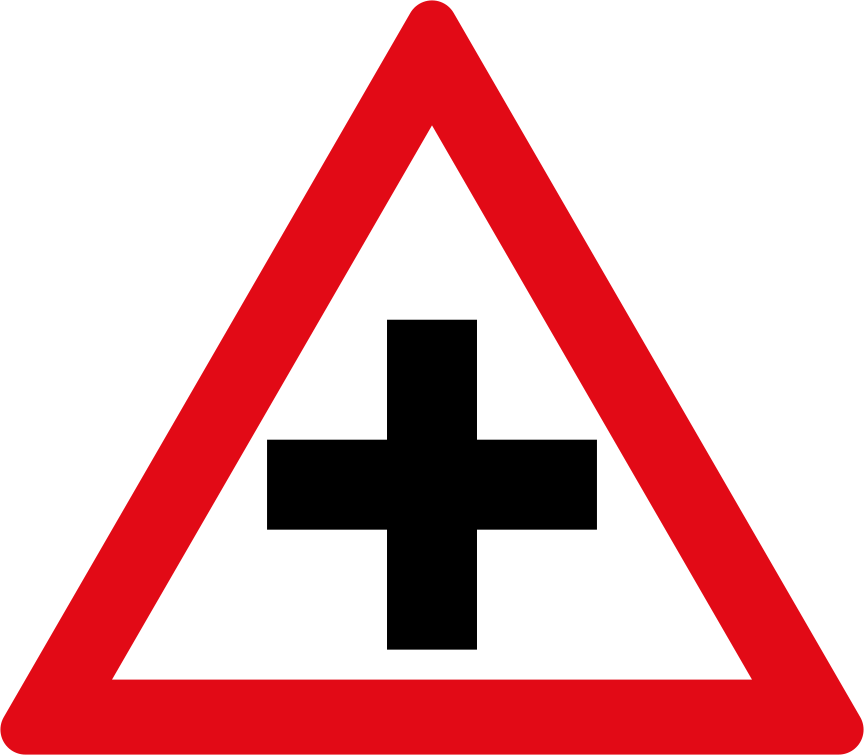
Crossroad ahead
There is a crossroad ahead.
Do: Slow down and watch for traffic entering from both sides.
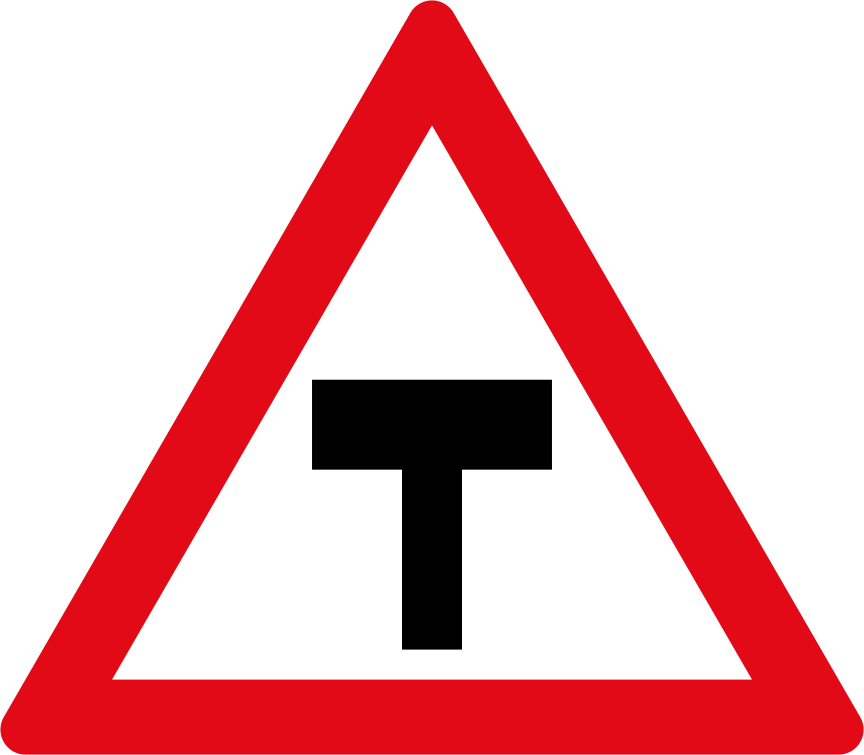
T-junction ahead
The road you are on ends in a T-junction ahead.
Do: Slow down and prepare to turn left or right.
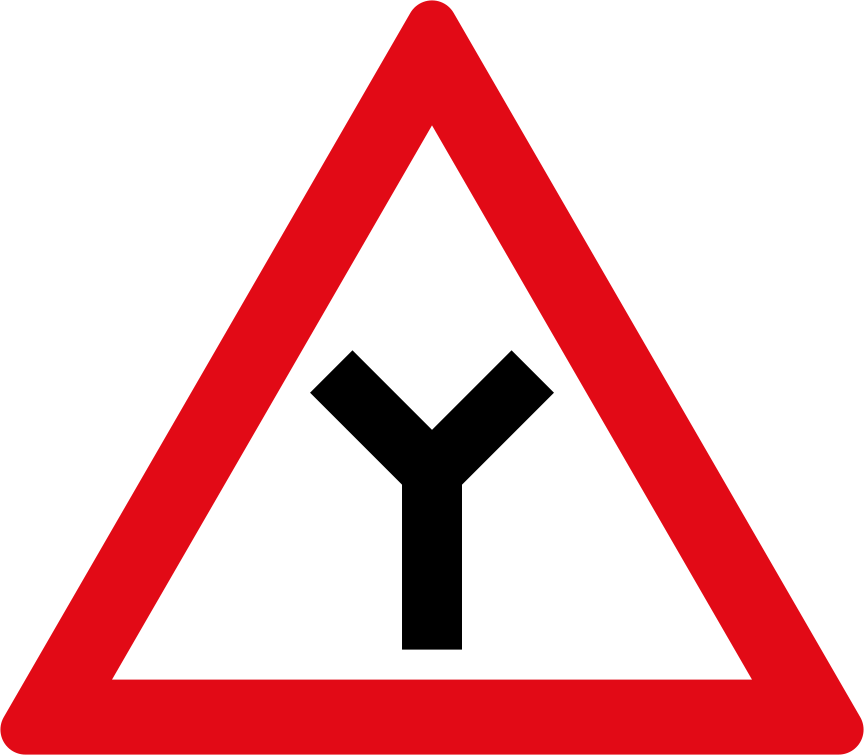
Fork ahead
The road divides into two ahead.
Do: Choose your direction early and signal.
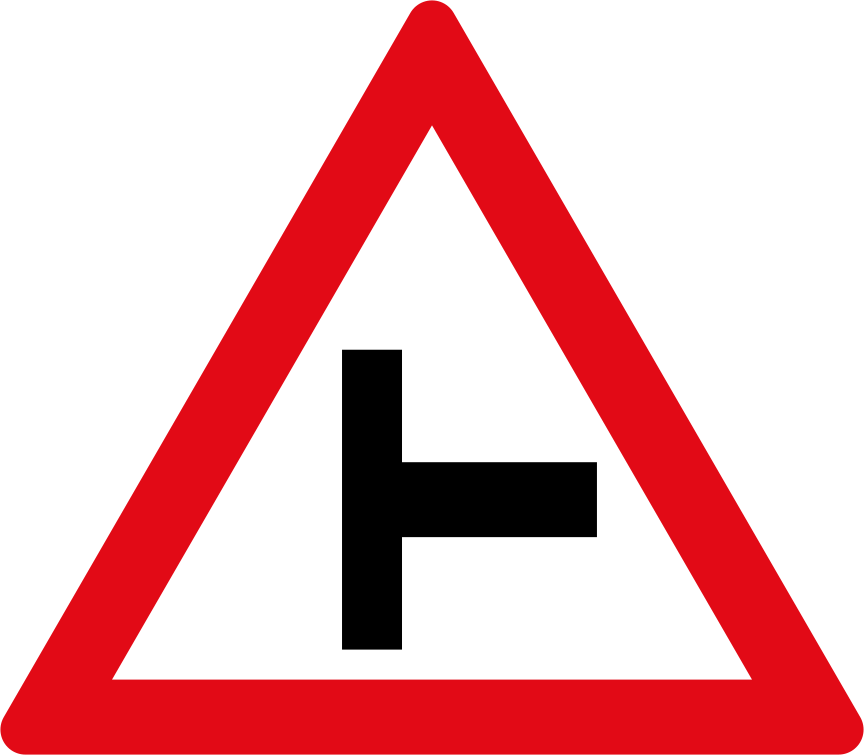
Side road left ahead
A road joins from the left ahead.
Do: Watch for vehicles pulling out from the left.
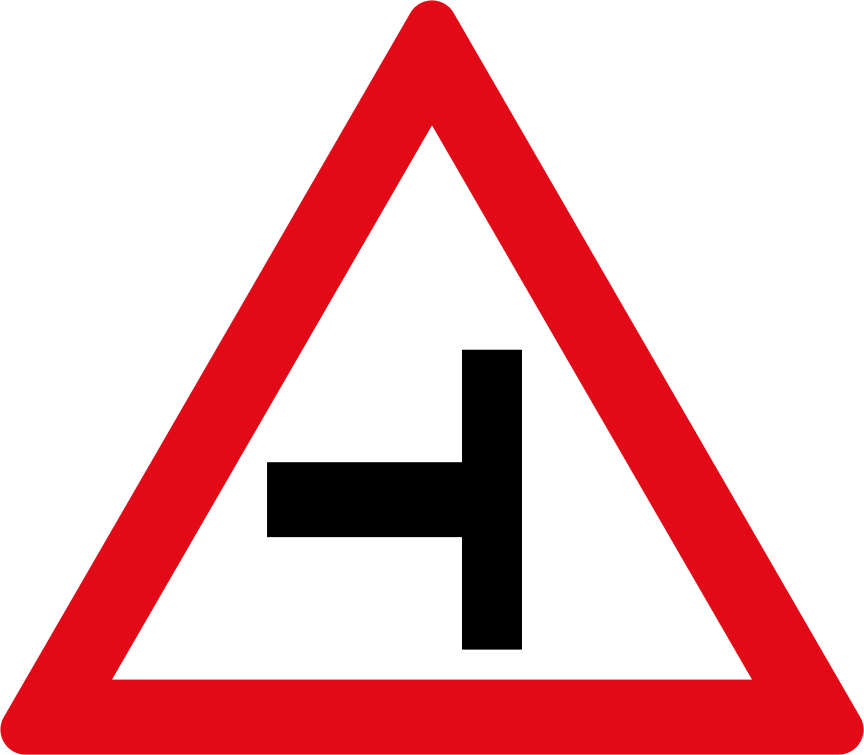
Side road right ahead
A road joins from the right ahead.
Do: Watch for vehicles pulling out from the right.
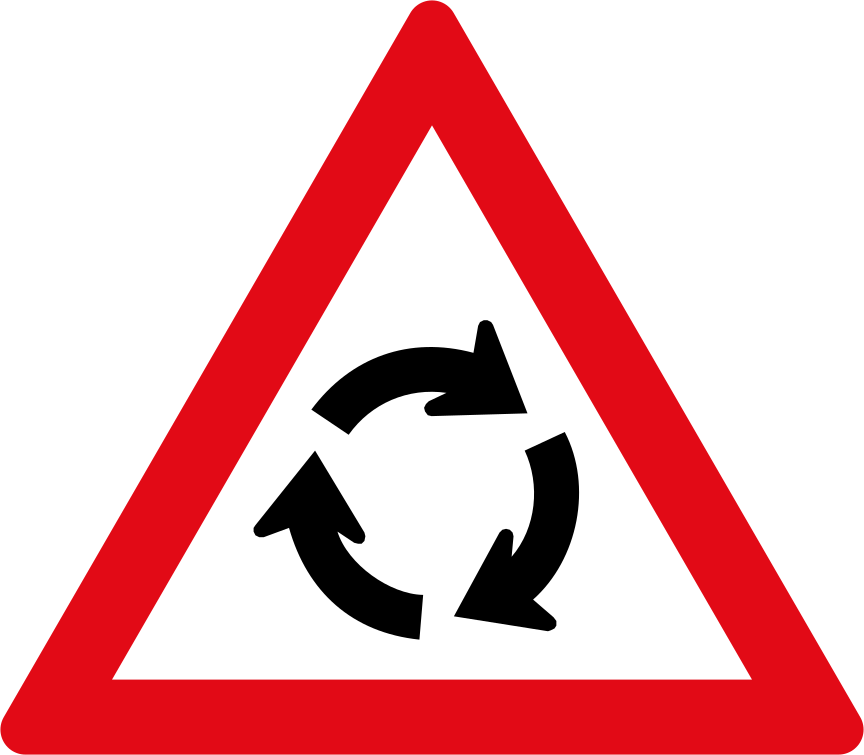
Roundabout ahead
There is a roundabout ahead.
Do: Slow down and prepare to give way in the circle.
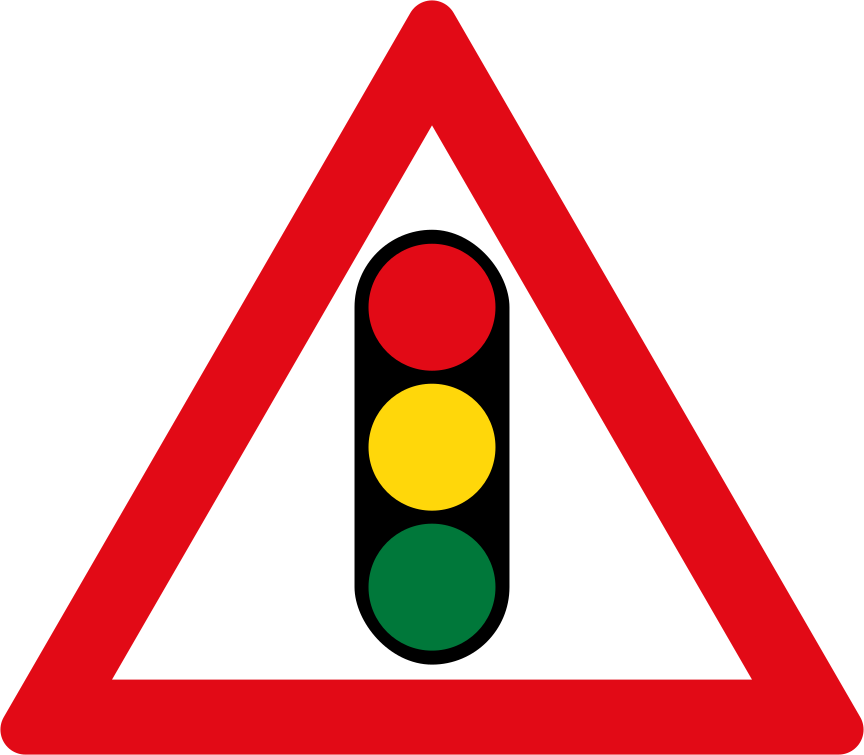
Traffic signals ahead
There are traffic lights ahead.
Do: Slow down and be ready to stop for a red light.
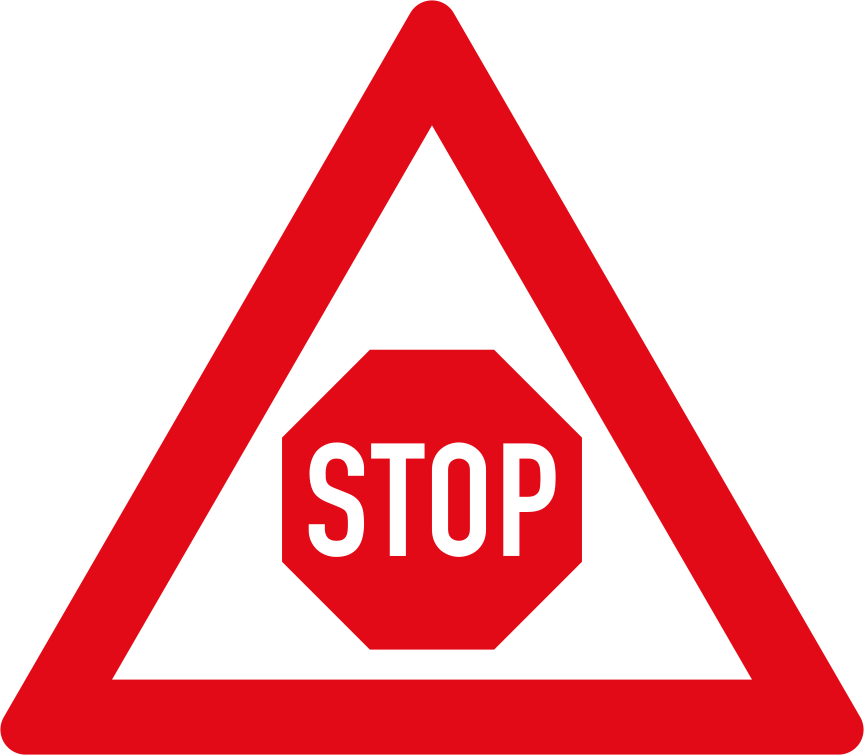
Stop sign ahead
There is a stop sign ahead.
Do: Begin slowing now so you can stop completely at the line.
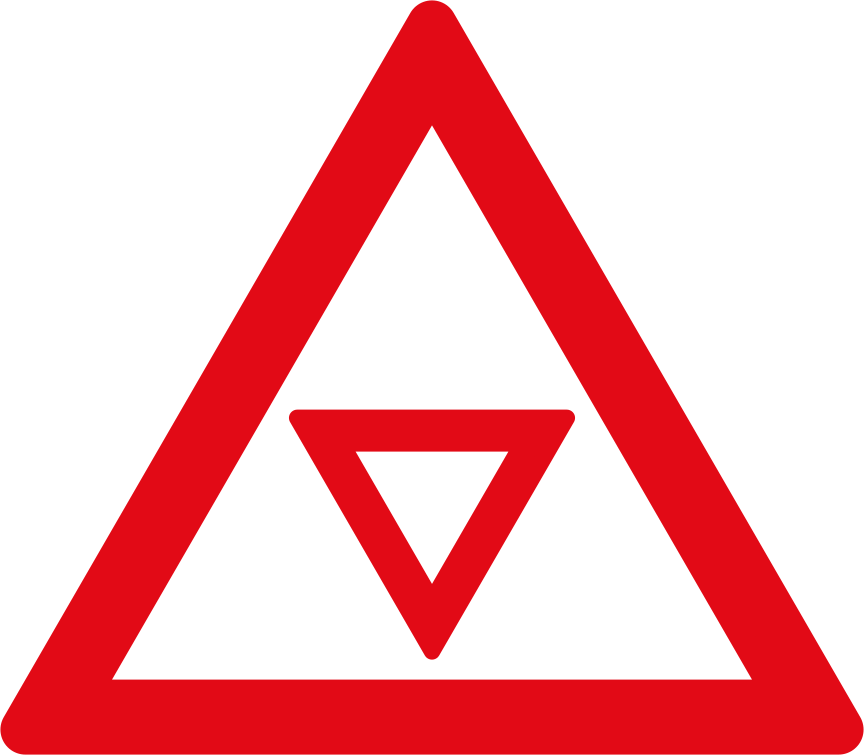
Yield sign ahead
There is a yield sign ahead.
Do: Slow down and prepare to give right of way.
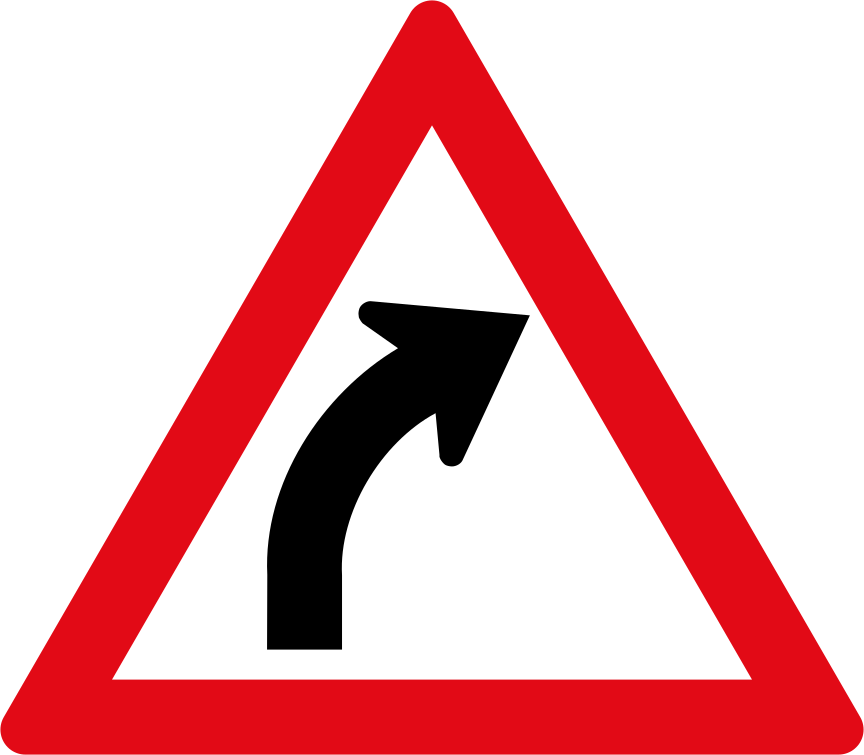
Gentle curve to the right
The road curves gently to the right ahead.
Do: Ease your speed down before the curve rather than in it.
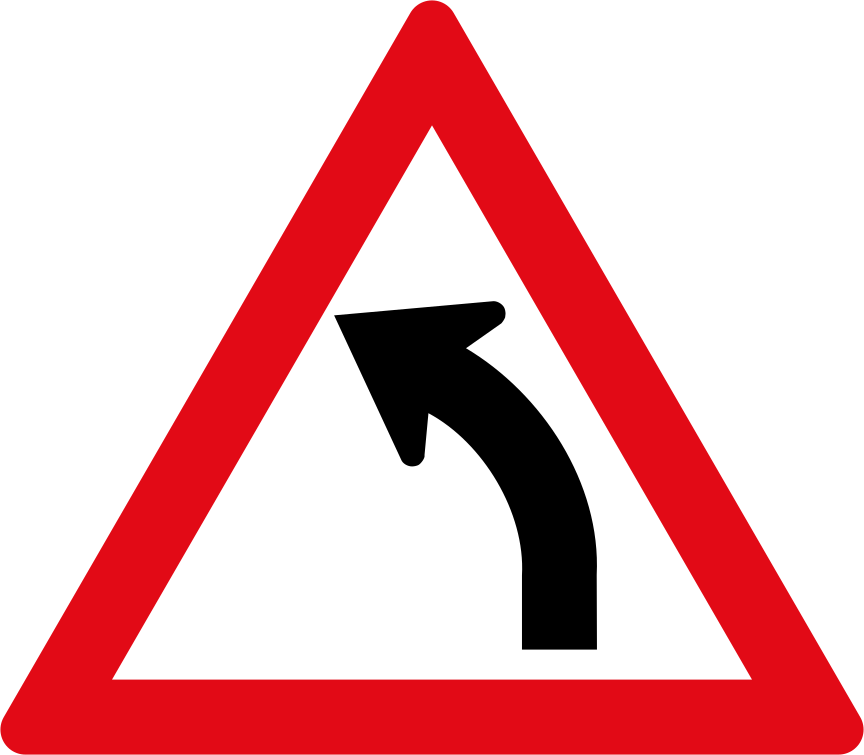
Gentle curve to the left
The road curves gently to the left ahead.
Do: Ease your speed down before the curve rather than in it.
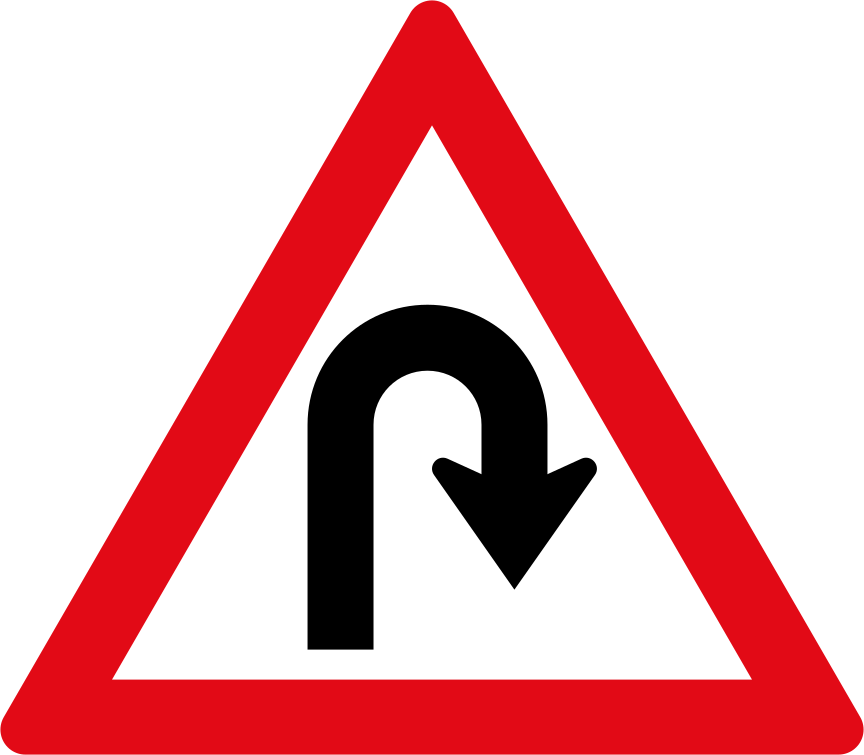
Hairpin bend to the right
The road doubles back on itself to the right ahead.
Do: Slow right down — a hairpin turns through almost 180 degrees.
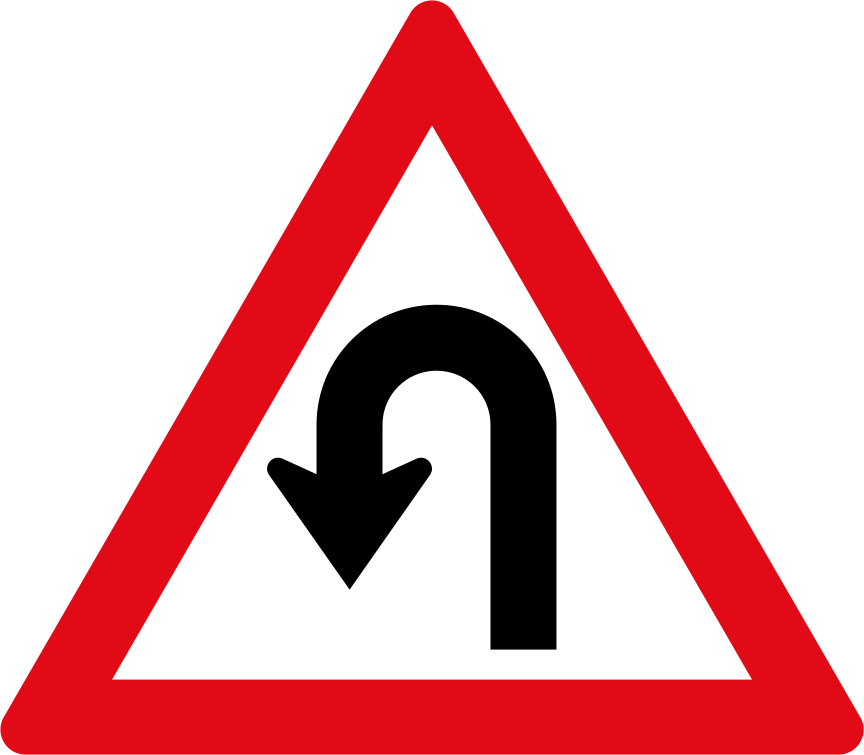
Hairpin bend to the left
The road doubles back on itself to the left ahead.
Do: Slow right down — a hairpin turns through almost 180 degrees.
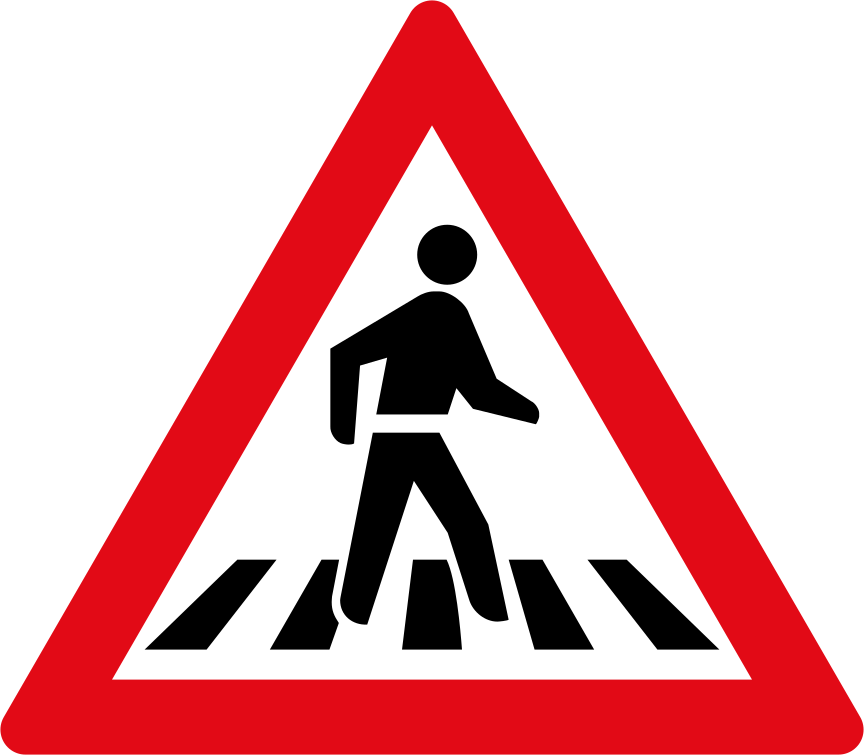
Pedestrian crossing ahead
A marked pedestrian crossing is ahead.
Do: Slow down and be ready to give way to anyone on or entering it.
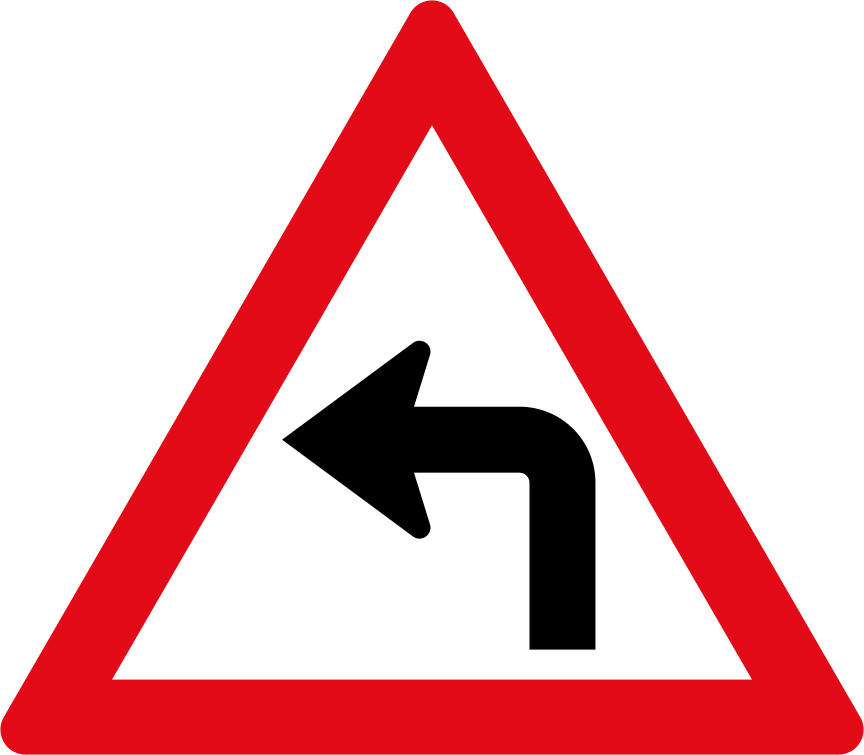
Sharp curve to the left
The road turns sharply to the left ahead.
Do: Reduce speed before the curve, not in it.
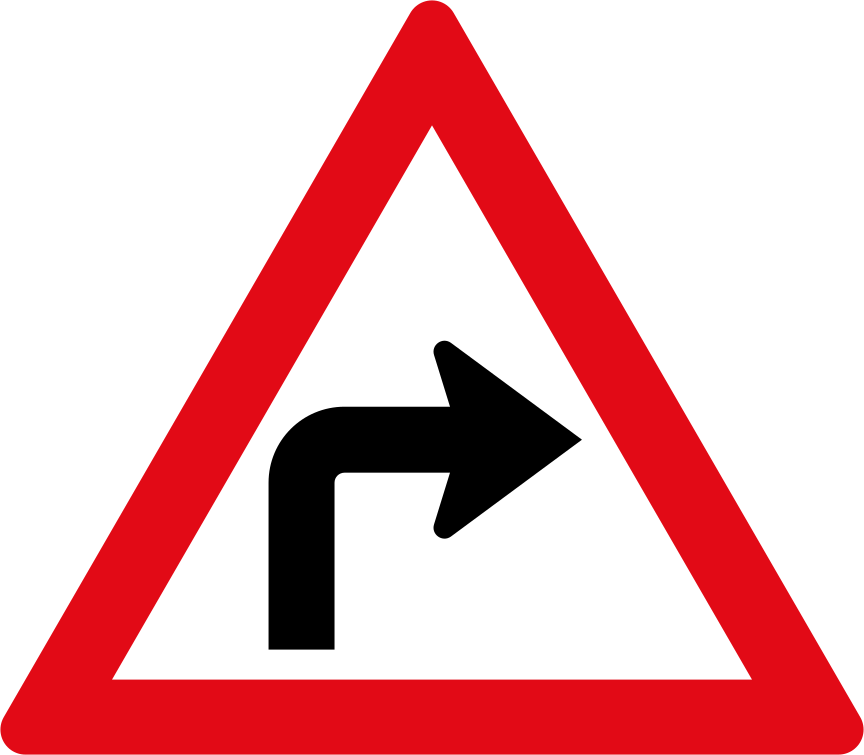
Sharp curve to the right
The road turns sharply to the right ahead.
Do: Reduce speed before the curve, not in it.
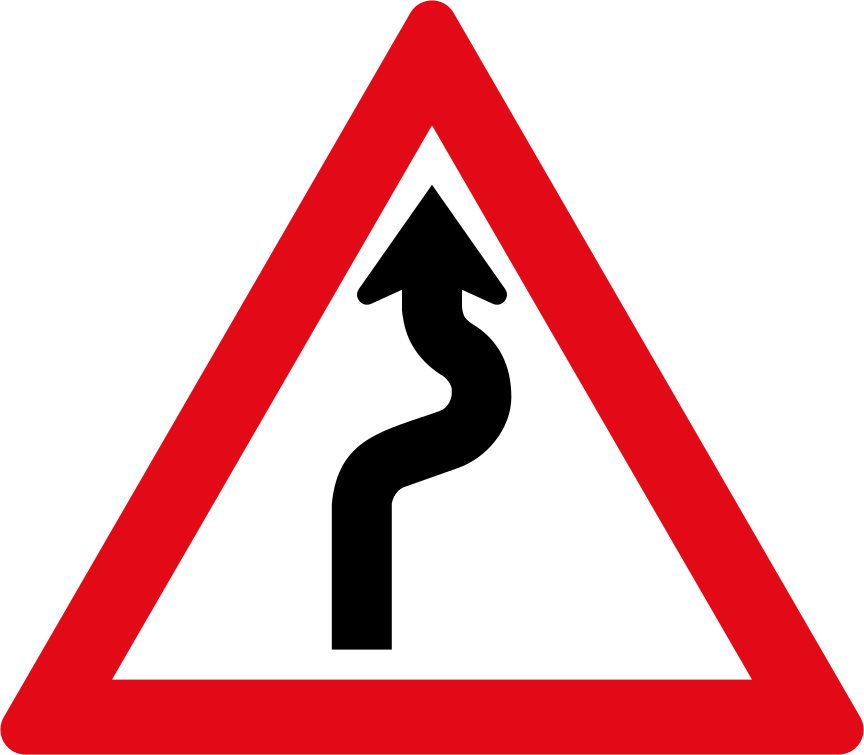
Winding road
A series of bends follows.
Do: Reduce speed and do not attempt to overtake.
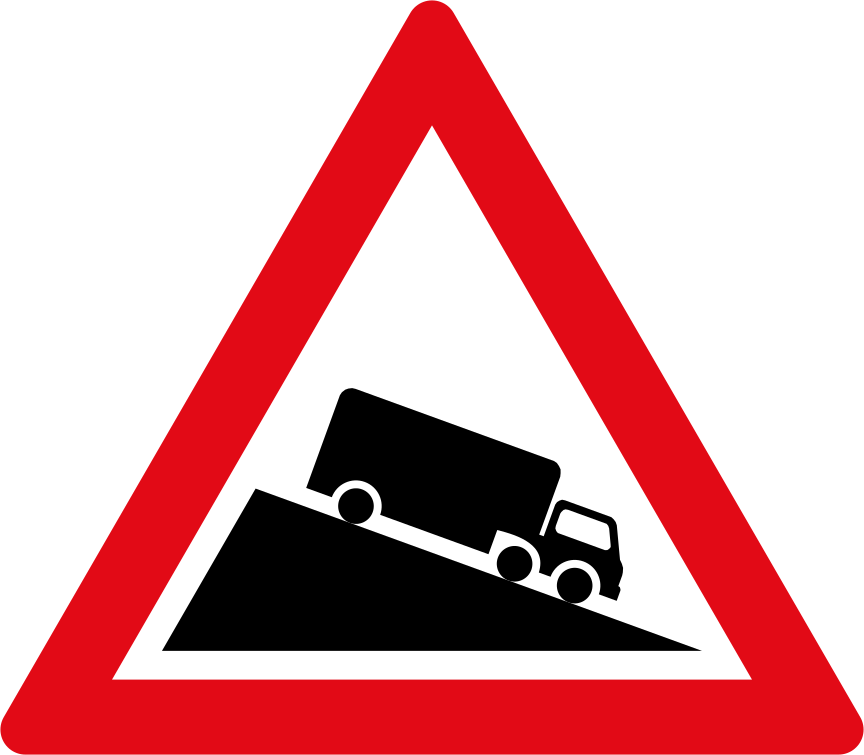
Steep descent
The road descends steeply ahead.
Do: Change to a lower gear and use engine braking to save your brakes.
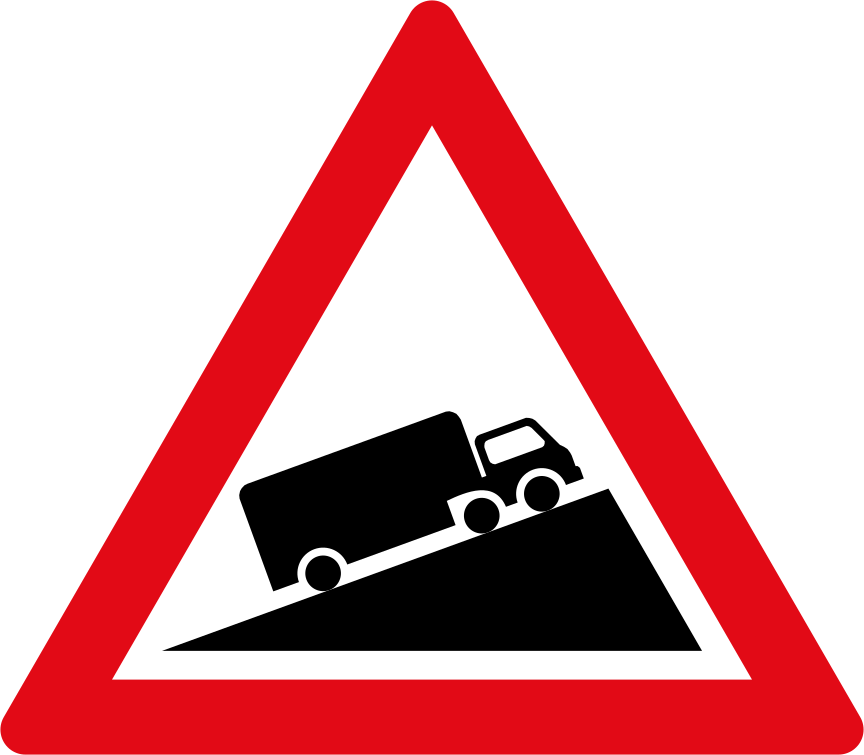
Steep ascent
The road climbs steeply ahead.
Do: Select a lower gear early and expect slow heavy vehicles.
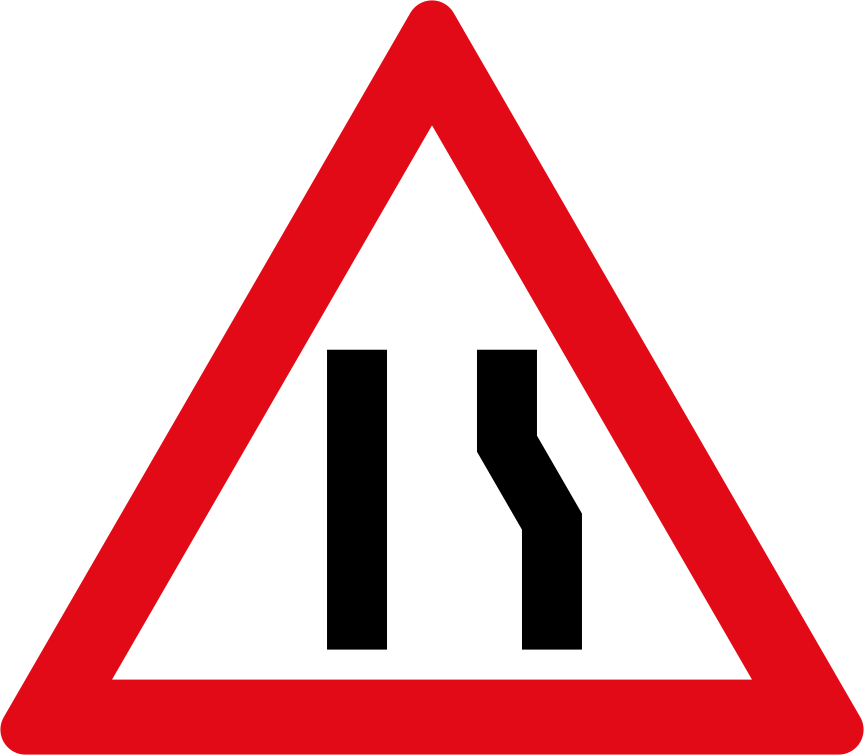
Road narrows from the right
The road ahead narrows from the right-hand side.
Do: Keep well to the left and be ready for traffic moving across.
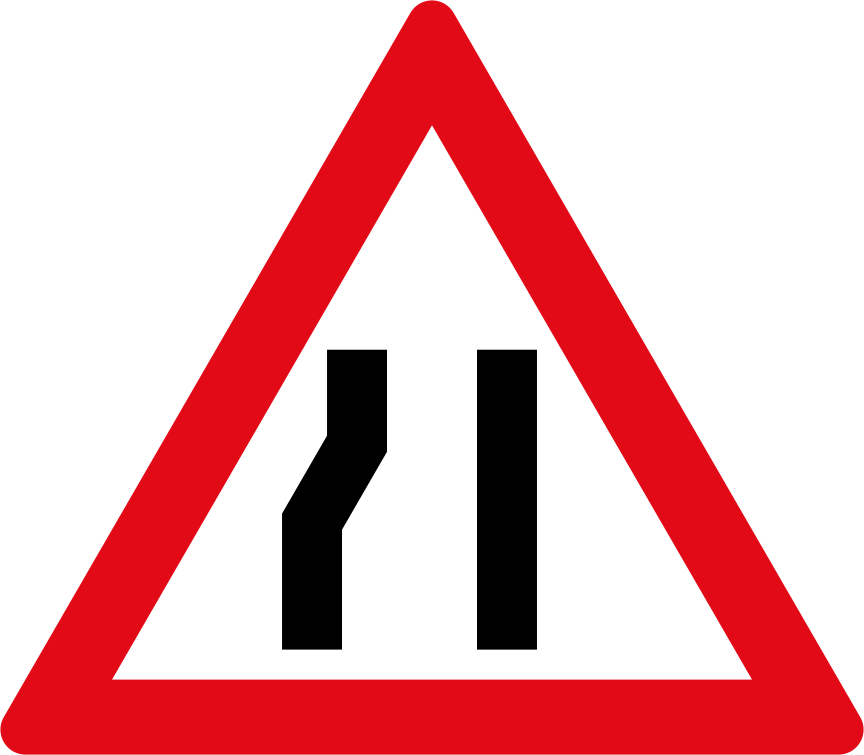
Road narrows from the left
The road ahead narrows from the left-hand side.
Do: Keep well to the left and watch for anything moving out around the narrowing.
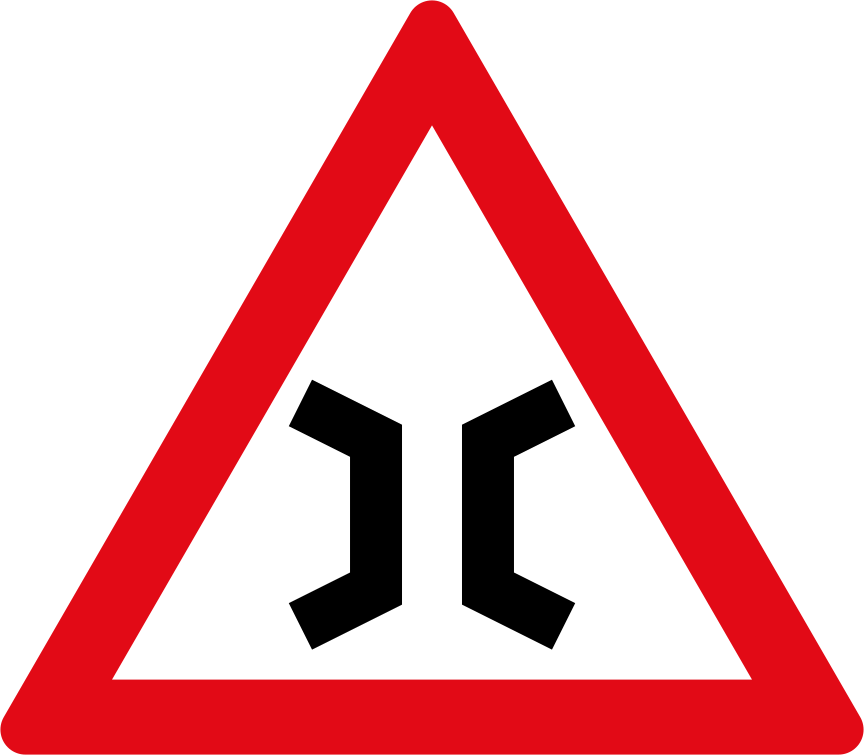
Road narrows at a bridge
The road narrows at a bridge ahead.
Do: Slow down and approach with caution — there may not be room for two vehicles.
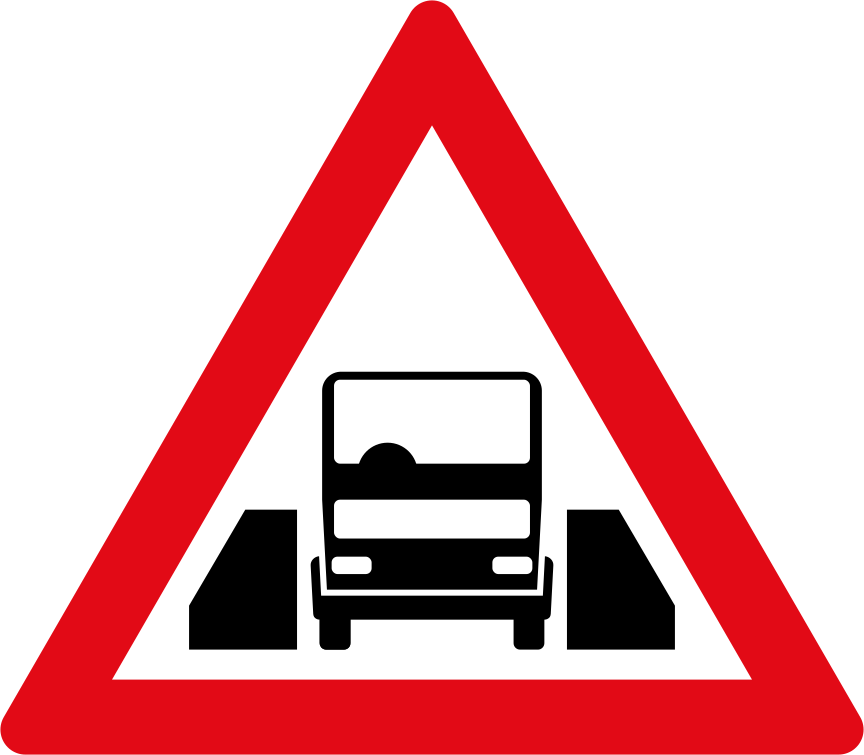
Narrow structure
A structure less than 5 m wide is ahead, such as a bridge.
Do: Slow right down; a wide vehicle may not fit through.
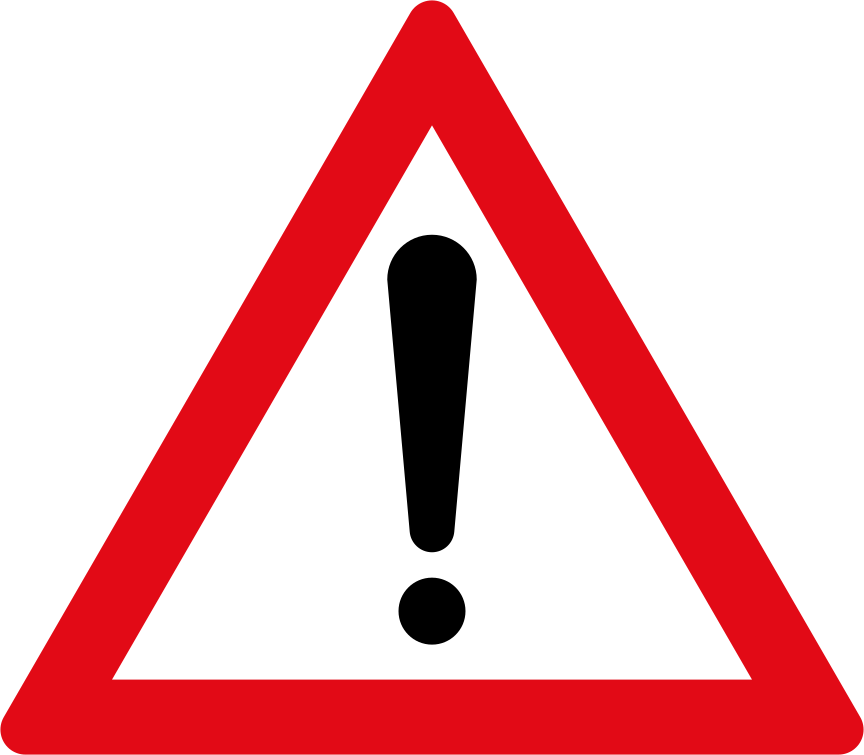
General warning
A hazard with no sign of its own is ahead, described on a plate below.
Do: Read the plate beneath the sign, and slow down.
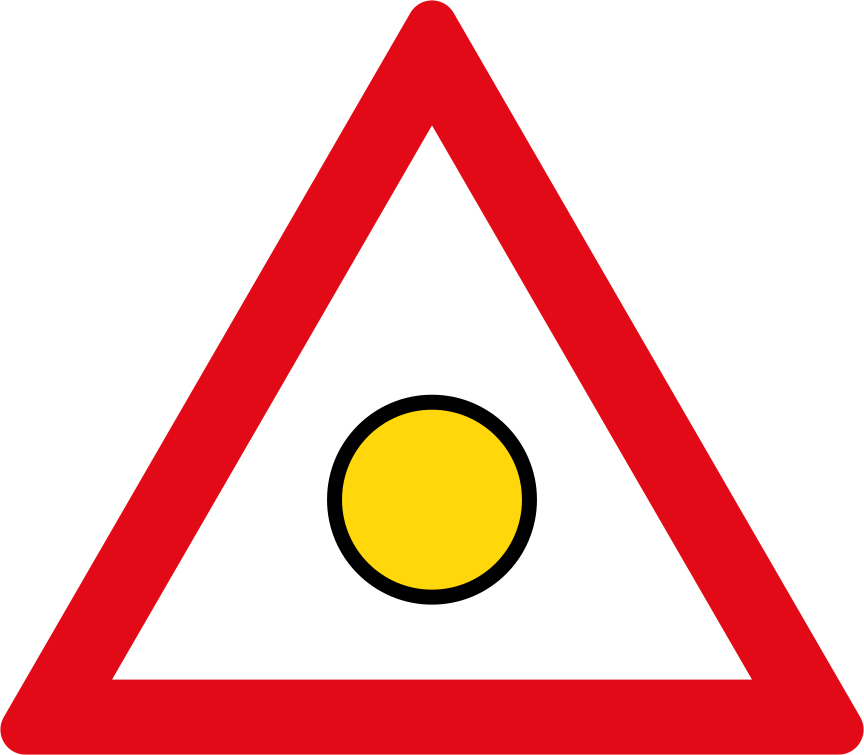
Hazard ahead
There is a hazard ahead.
Do: Slow down and approach with caution.
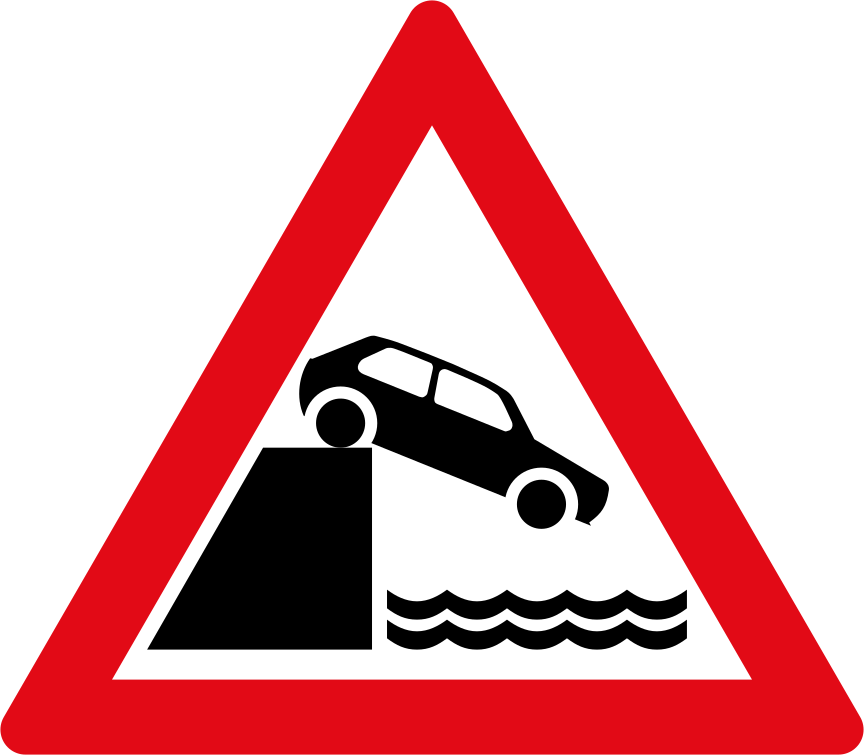
Jetty or river bank
The road runs close to a jetty edge or a river bank.
Do: Keep well away from the edge.
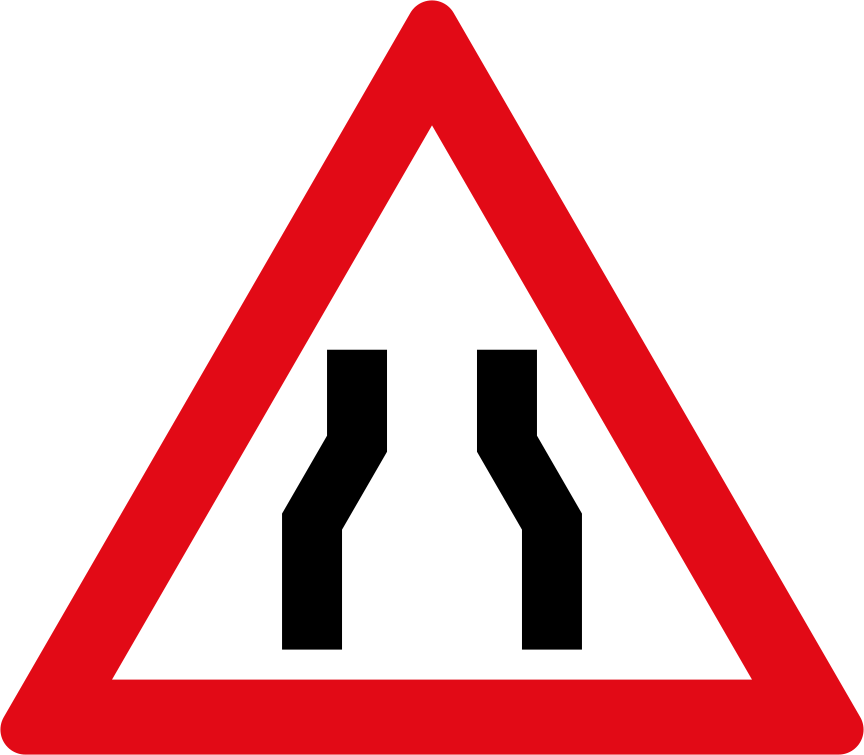
Road narrows
The road narrows from both sides ahead.
Do: Slow down and be ready to give way at the narrow section.
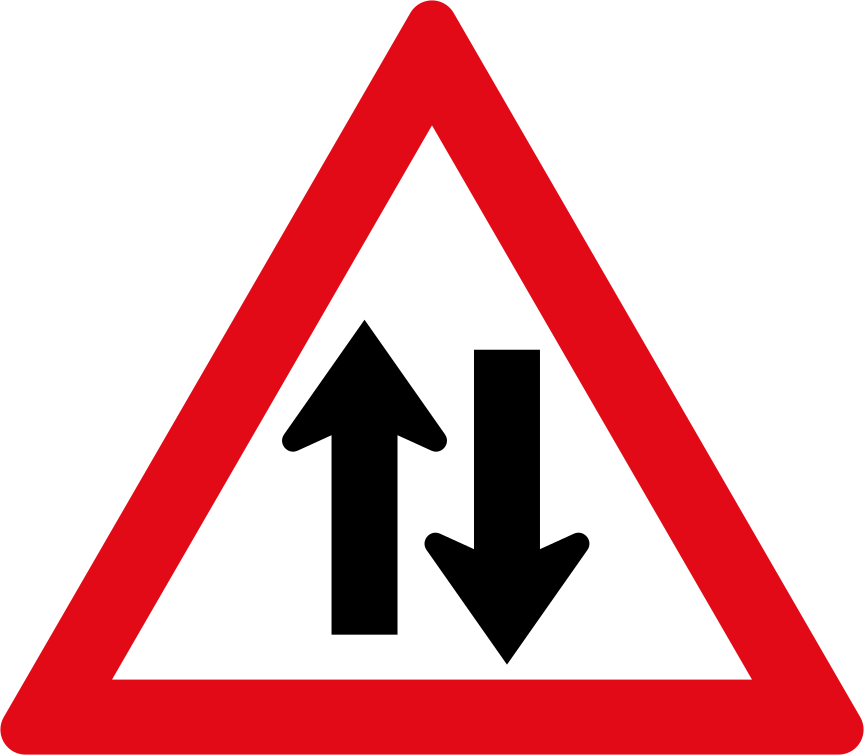
Two-way traffic
The road ahead carries traffic in both directions.
Do: Keep well left and do not assume the road is one-way.
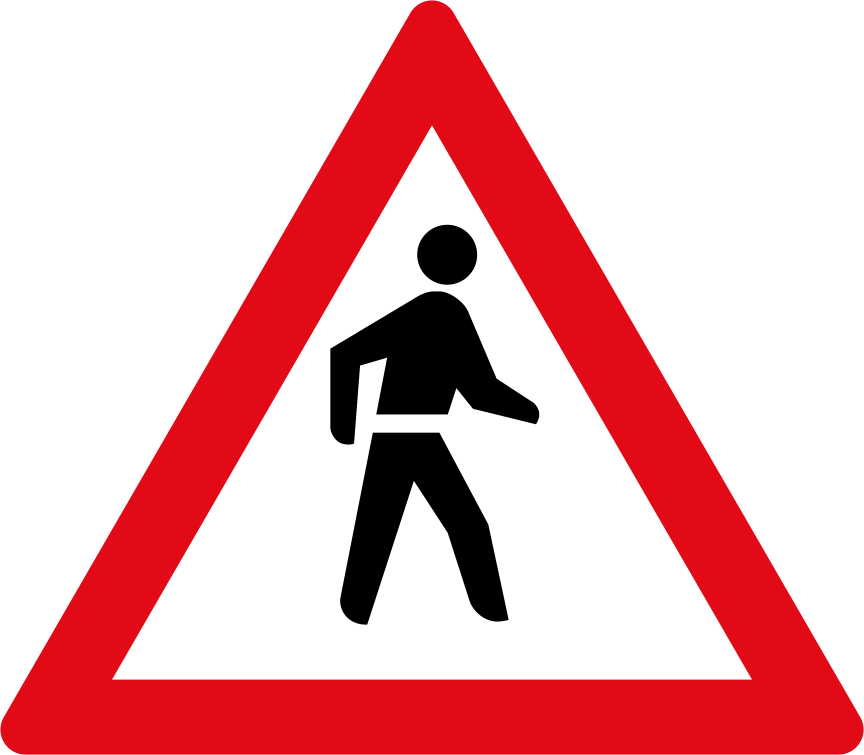
Pedestrians ahead
Pedestrians are likely to be in the road ahead.
Do: Reduce speed and be ready to stop for people crossing.
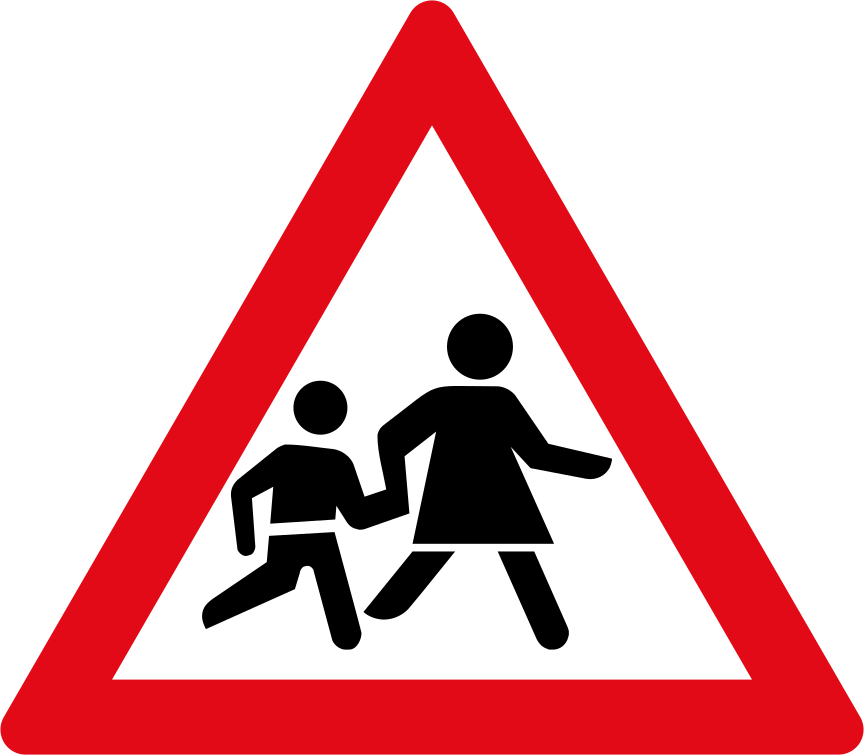
Children ahead
Children are likely to be near or in the road ahead.
Do: Slow right down — children move unpredictably.
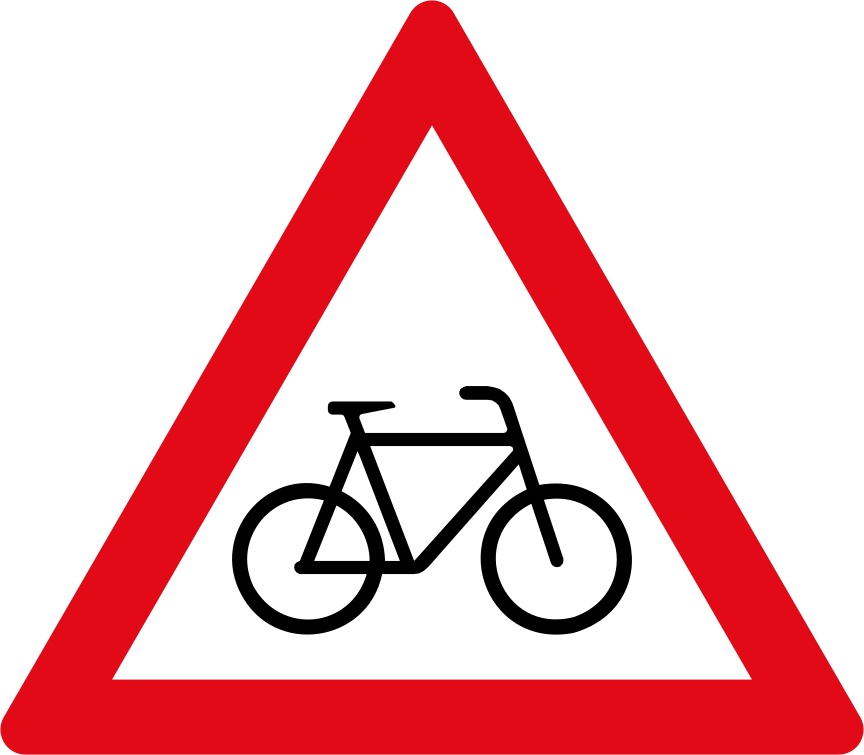
Cyclists ahead
Pedal cyclists are likely to be in the road ahead.
Do: Reduce speed and give cyclists a wide berth when passing.
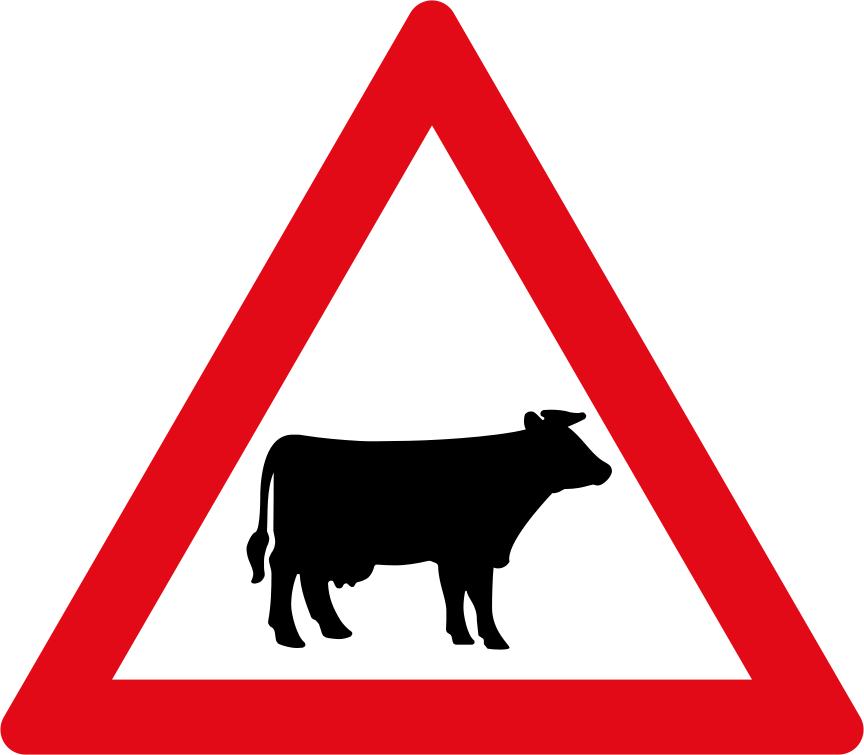
Cattle ahead
Cattle may be crossing or on the road ahead.
Do: Slow down and be ready to stop for cattle in the road.
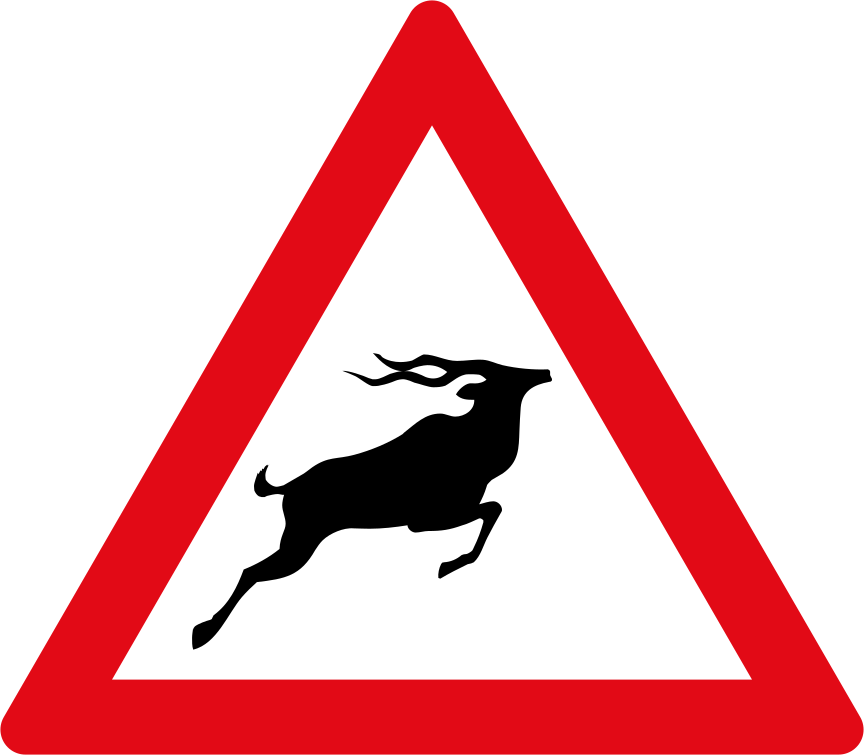
Antelopes ahead
Antelope or other wild animals may cross the road ahead.
Do: Reduce speed, especially at dawn, dusk and at night.
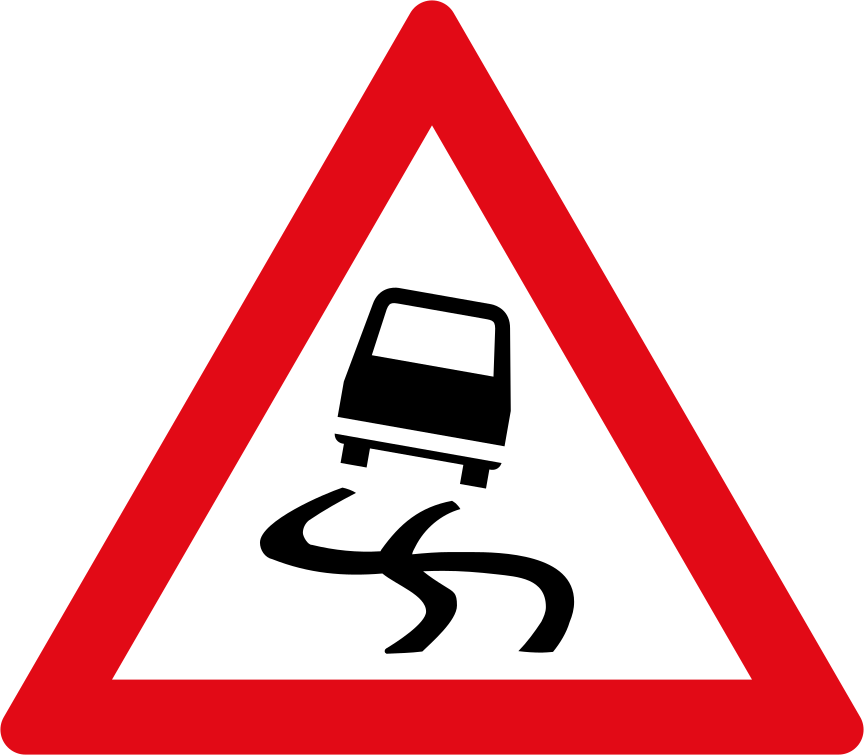
Slippery road
The road surface ahead may be slippery.
Do: Reduce speed and avoid harsh braking or steering.
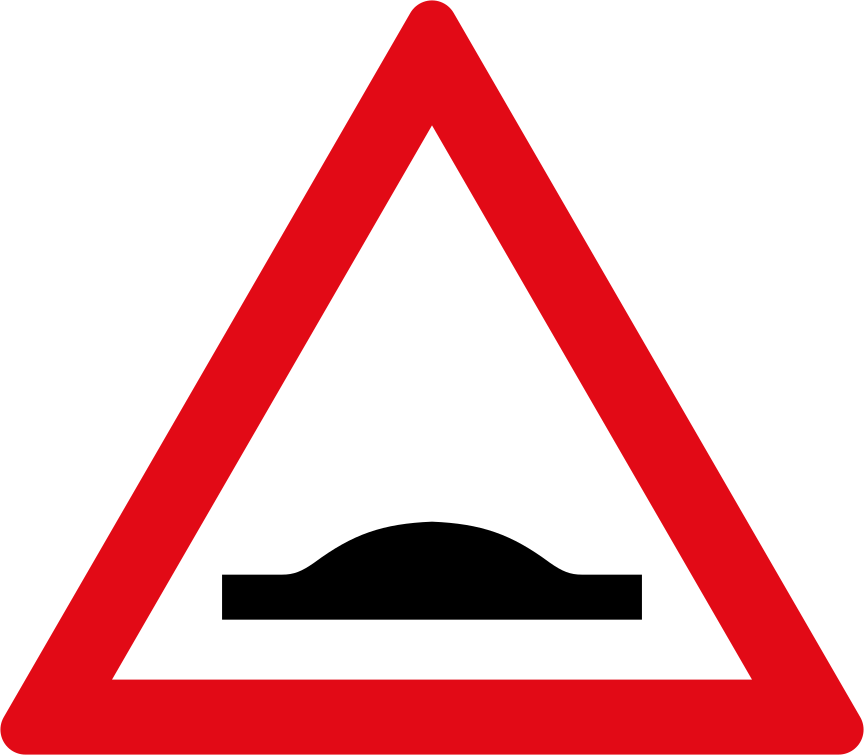
Speed humps ahead
There are speed humps in the road ahead.
Do: Slow to a crawl before the hump to avoid damaging the vehicle.
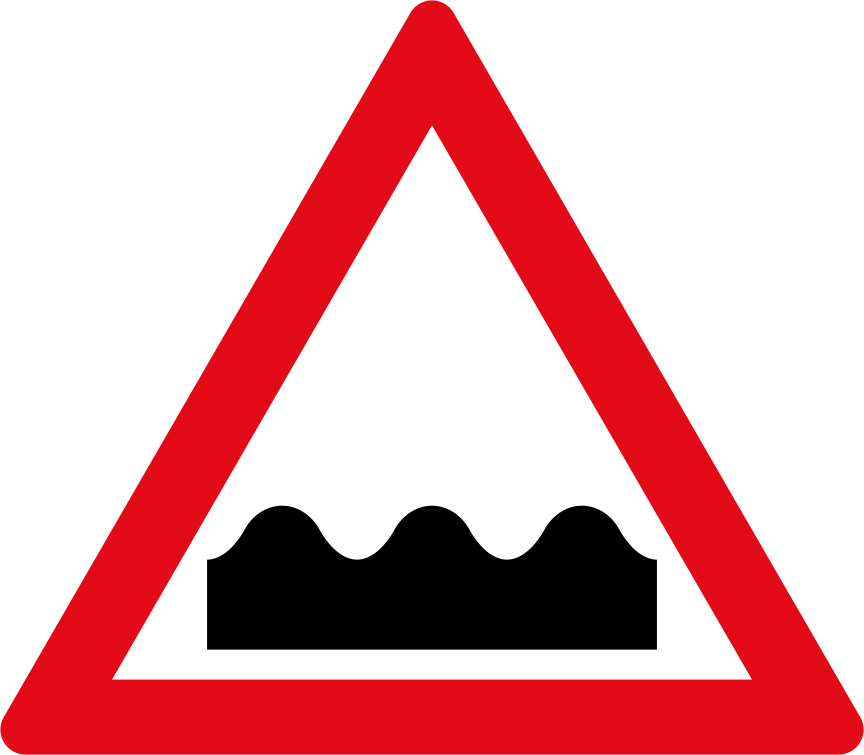
Uneven road
The road surface ahead is uneven or broken.
Do: Reduce speed and keep a firm grip on the steering wheel.
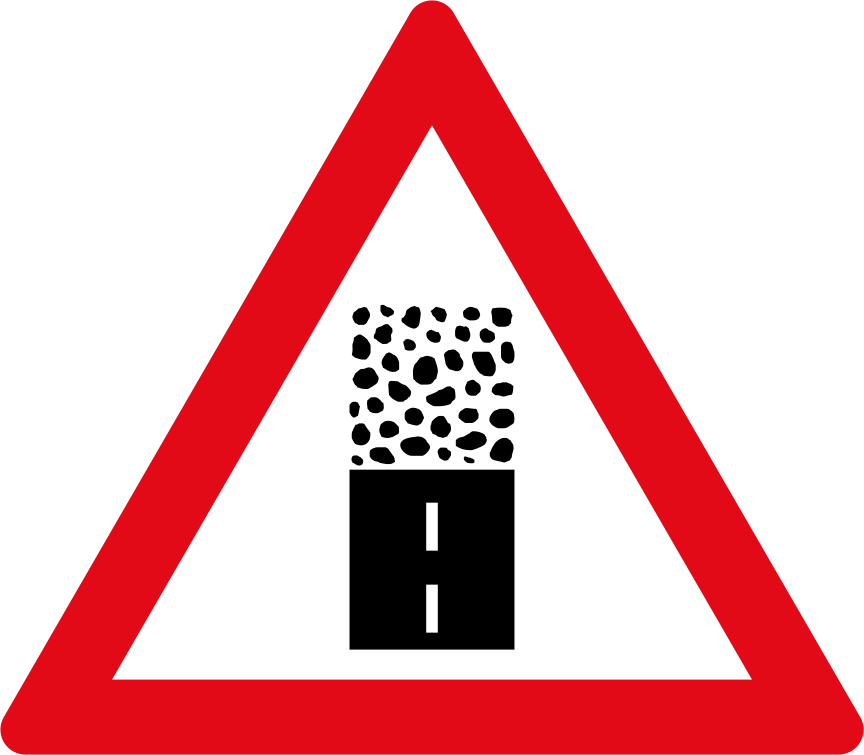
Unpaved road surface ahead
The paved surface ends and an unpaved road begins.
Do: Slow down well before the gravel — braking distances increase.
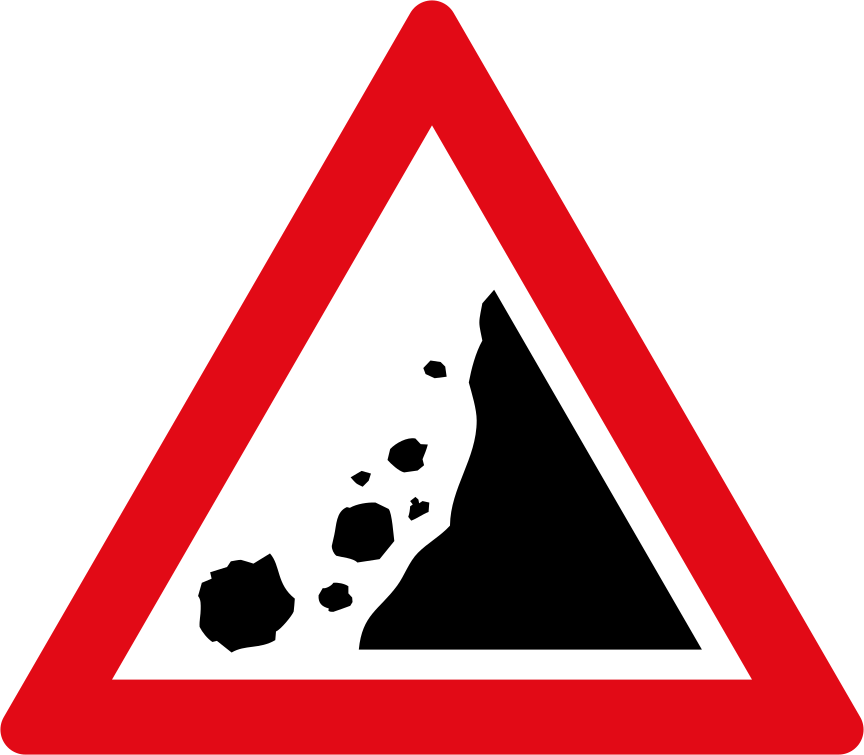
Falling rocks
Rocks may fall onto the road ahead.
Do: Watch the road surface for debris and do not stop under the slope.
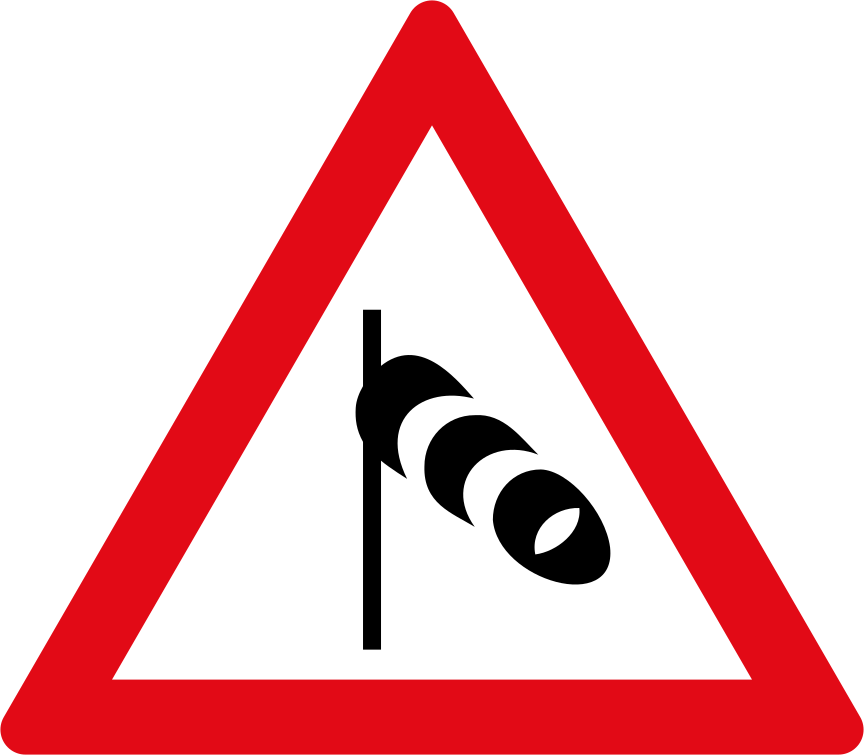
Crosswinds
Strong side winds occur on this stretch of road.
Do: Grip the wheel firmly and reduce speed, especially in a high vehicle.
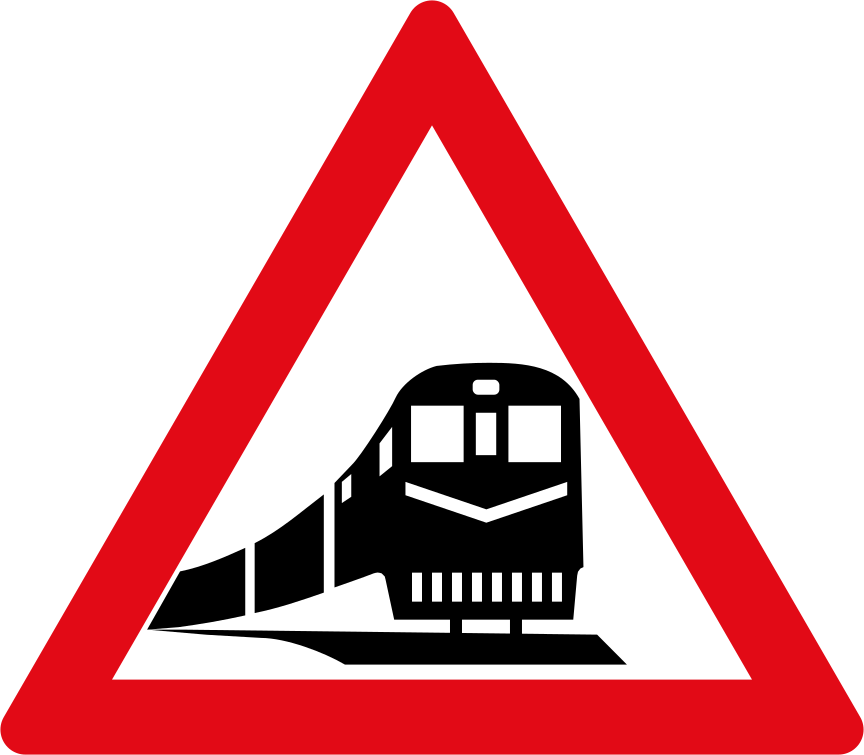
Railway crossing ahead
There is a railway level crossing ahead.
Do: Slow down, look both ways and be ready to stop for a train.
Information signs5
Blue rectangles and plain plates. Useful, but not commands.
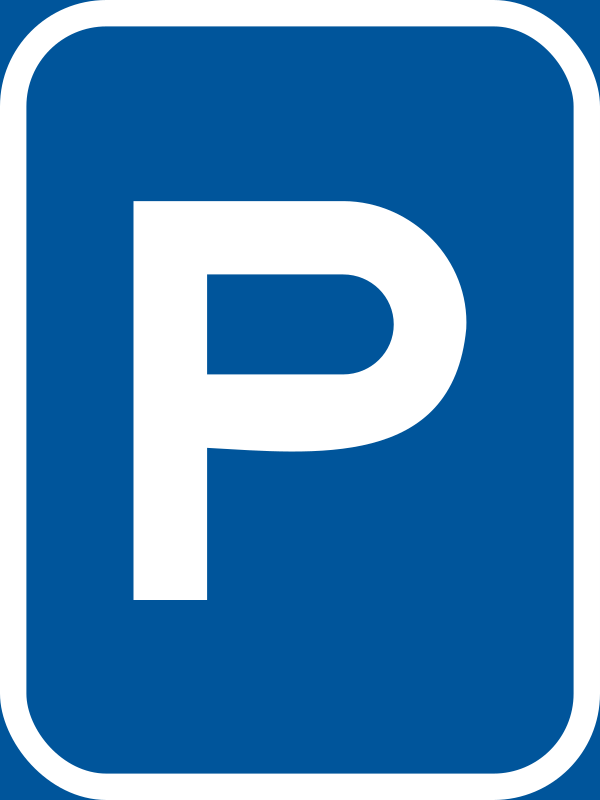
Parking
Parking is permitted here.
Do: You may park in the marked area.
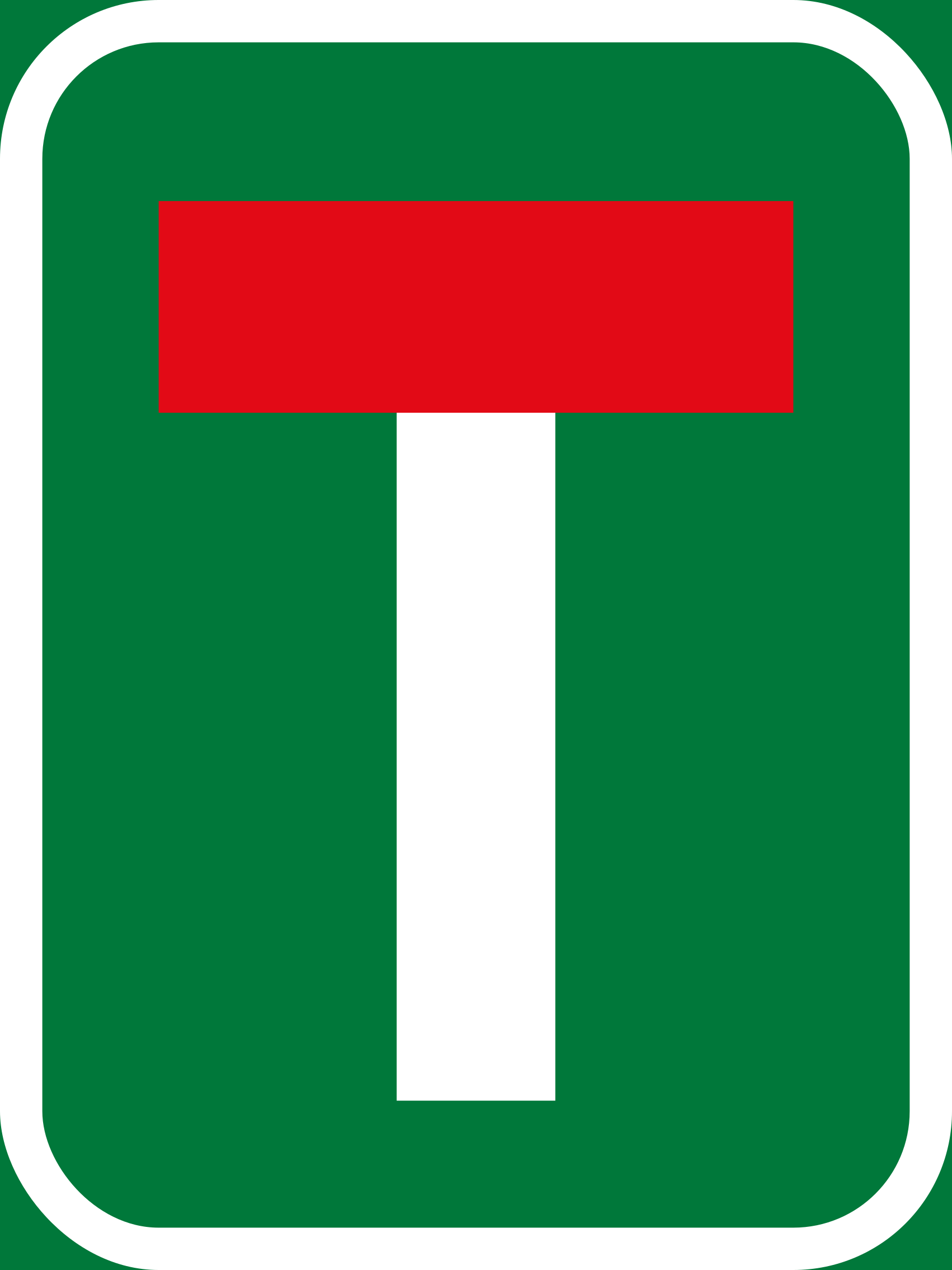
No through road
This road is a dead end.
Do: Do not use this road as a through route.
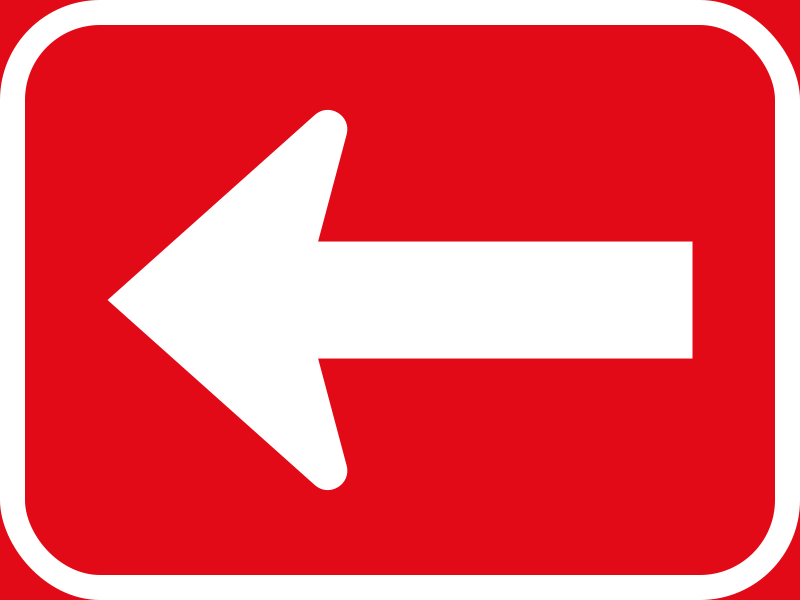
One way
Traffic on this road travels in one direction only.
Do: Travel only in the direction of the arrow.
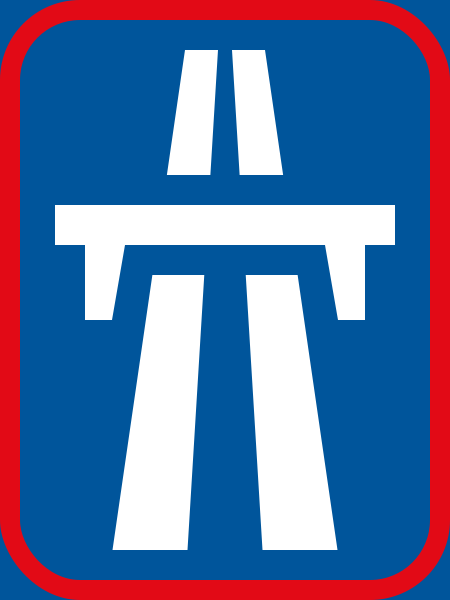
Freeway begins
Freeway rules apply from this point.
Do: No pedestrians, cycles, animals or learner drivers without a licensed supervisor.
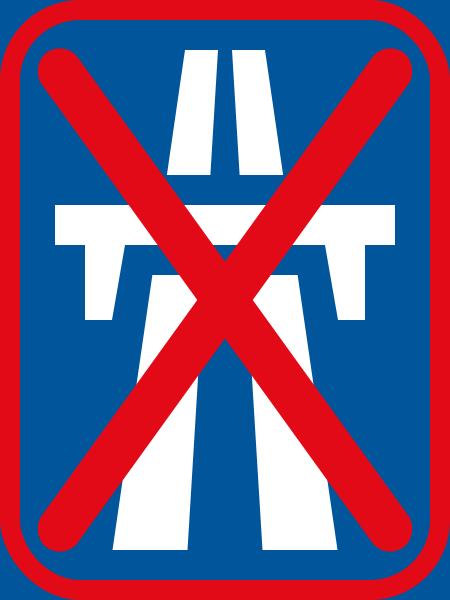
Freeway ends
Freeway rules no longer apply from this point.
Do: Expect cross traffic, pedestrians and lower speed limits.
Road markings9
Paint on the road. Outranked by signs, which are outranked by signals, which are outranked by a traffic officer.
Single solid white line
You may not cross this line to overtake.
Do: Stay in your lane — crossing is only allowed to avoid an obstruction.
Broken white line
You may cross this line when it is safe to do so.
Do: Overtake only if the road ahead is clear.
Double solid white lines
Neither direction of traffic may cross to overtake.
Do: Do not cross — stay in your lane.
Solid line with broken line
The side with the broken line may cross; the side with the solid line may not.
Do: You may only overtake if the broken line is on your side.
Yellow edge line
It marks the edge of the roadway.
Do: Only travel in the yellow lane in daylight, on a public road outside an urban area, to let a faster vehicle pass.
Stop line
The point at which you must stop.
Do: Stop with the front of your vehicle before the line, not on it.
Pedestrian crossing
Pedestrians cross the road here and have right of way.
Do: Give way to pedestrians and never overtake at the crossing.
Painted island
An area of road you may not drive on.
Do: Keep off the chevrons — treat them as a solid obstruction.
Box junction
You may not enter unless your exit is clear.
Do: Wait behind the box until you can pass right through it.
Traffic signals5
Traffic lights. A green light permits — it never grants priority over traffic already in your way.
Red traffic light
You must stop and remain stopped.
Do: Stop before the stop line and wait for green.
Amber traffic light
Stop, unless you are so close that stopping would be dangerous.
Do: Stop if you safely can — amber is not an instruction to hurry.
Green traffic light
You may proceed if the way is clear.
Do: Proceed only when the intersection is actually clear.
Green arrow
You may proceed in the direction of the arrow.
Do: Move in the arrow's direction — other directions must still wait.
Flashing red light
Treat the signal as a stop sign.
Do: Stop completely, then proceed when it is safe.